
Connect with us
We’ll help you navigate poisoning emergencies effectively. First, guarantee scene safety and assess the victim’s responsiveness. Call Poison Control immediately at 1-800-222-1222 with details about age,...


We can stop choking by recognizing the signs first—gasping, inability to cough or speak, and bluish skin. Tap the victim’s shoulder and assess their responsiveness. If...


We can save lives by recognizing complete airway obstruction—when victims can’t cough, speak, or breathe. Unlike regular coughing, true choking demands immediate action. We use the...
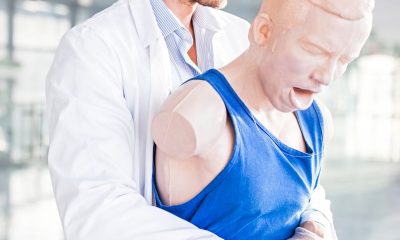

We must recognize choking’s critical signs: sudden inability to cough or speak, gasping, and skin pallor around lips and fingernails. For infants under one year, we...


We’ve got roughly four minutes before brain damage begins, so we need to act fast. First, we’ll distinguish between ineffective coughing—where the person can’t speak or...


We can save a choking person’s life in minutes by recognizing critical signs: inability to speak, weak coughing, difficulty breathing, or skin turning blue. Swift action...


We’ve overlooked critical first aid skills that could save lives during emergencies. Mastering CPR’s thirty compressions at 100-120 beats per minute, controlling hemorrhage with direct pressure,...
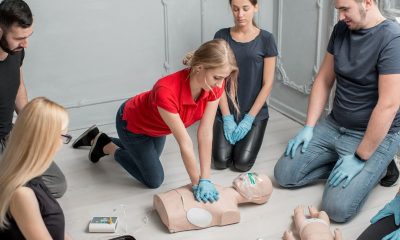

We can measurably increase survival rates during life-threatening emergencies by recognizing critical symptoms and executing basic interventions before professionals arrive. Trained responders demonstrate 34% greater CPR...
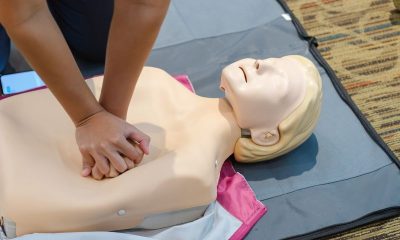

We’re neurologically wired to freeze during emergencies, but first aid training rewires that response through deliberate practice and repeated exposure. Your prefrontal cortex strengthens through scenario...


We’ve learned that panic hijacks our decision-making during medical emergencies, but structured training rewires this response into competence. When we practice airway assessment, bleeding control, and...


