
Connect with us


When we encounter choking emergencies, we must recognize complete obstruction signs—inability to speak, cough, or breathe effectively—and act within seconds. For conscious victims, we position ourselves...


We can’t predict disasters, but we can prepare by learning essential first aid skills. We’ll wish we knew how to prioritize life-threatening conditions, like cardiac arrest...


We’re faced with a reality where fear cripples our ability to provide basic first aid, with up to 32% of untrained adults hesitant due to fear...
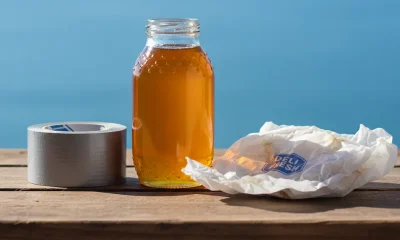

We use everyday items for first aid, like adhesive tape for small cuts and duct tape for makeshift splints. Our homes often have essentials like bandages...


We’re breaking down first aid basics for real-world crisis survival. We’ll cover emergency preparedness, recognizing life-threatening conditions, and basic first aid kit components. Key treatment principles,...


We can save lives with basic first aid skills, like CPR and wound care. Mastering these techniques increases survival chances, especially in cardiac arrest and choking...
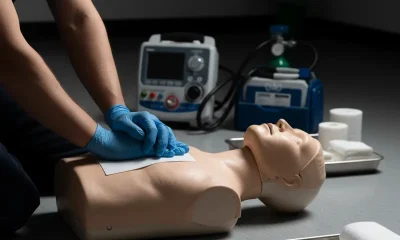

We’ve been taught first aid techniques that can transform manageable emergencies into life-threatening situations. Tilting heads back during nosebleeds causes blood aspiration and vomiting, while removing...


Hidden Dangers of First Degree Burns and Burn Care Tips First-degree burns may seem minor, but they can lead to hidden dangers like infection, hypothermia, and...


First-degree burns damage the outer skin layer, causing redness, pain, and peeling. With proper care, these minor burns usually heal within a week. We’ll explore effective...


First-degree burns involve more than just red skin; they include pain, warmth, and swelling as part of the body’s healing response. We’ll experience dryness and peeling...


