
Connect with us


We empower everyday heroes through first aid health training, which provides us with critical skills and knowledge to respond effectively in emergencies. We learn essential techniques...


First aid skills can save your life because cardiac arrest victims lose 10% of their survival chance each minute, and ambulances typically take 8-12 minutes to...


When we respond to head injuries, our calm demeanor is a physiological intervention, not just bedside manner. Agitation and rushed movements elevate the patient’s stress hormones,...


Knowing head injury first aid can save lives because we’re able to recognize critical warning signs like altered consciousness, persistent vomiting, and clear fluid from the...


The term “mild” traumatic brain injury dangerously misleads us—it describes the injury mechanism, not the outcome. We’ve documented that up to 15% of minor head trauma...
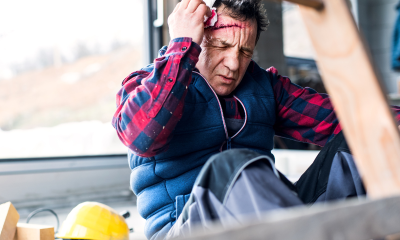

When head trauma occurs, we’re witnessing a cascade that begins in milliseconds—axonal shearing, ionic dysregulation, and glutamate release that triggers excitotoxic pathways. We assess these injuries...
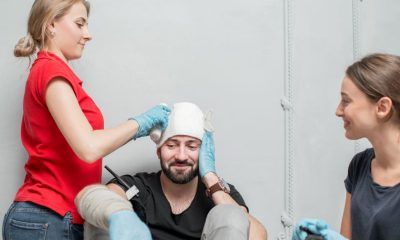

Panic floods our system with adrenaline and cortisol that hijack the prefrontal cortex we need for systematic assessment of head injuries. This stress response narrows our...


Standard first aid training fails during real head injuries because it teaches linear checklists that collapse under field conditions. We’ve documented how stress reduces cognitive bandwidth...
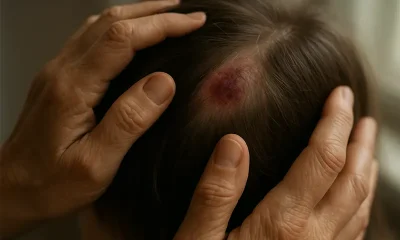

When we respond to head injuries, we’re treating more than physical trauma—we’re addressing neurochemical imbalances that cause anxiety, confusion, and emotional lability for weeks post-injury. Our...


When we’re responding to a head injury, we’ve got three to five critical minutes to prevent catastrophic brain damage. We’ll immediately stabilize the cervical spine, assess...


