
Connect with us



We can considerably improve stroke survival rates in our communities through targeted education and response networks. Research shows that when residents learn to recognize the FAST...
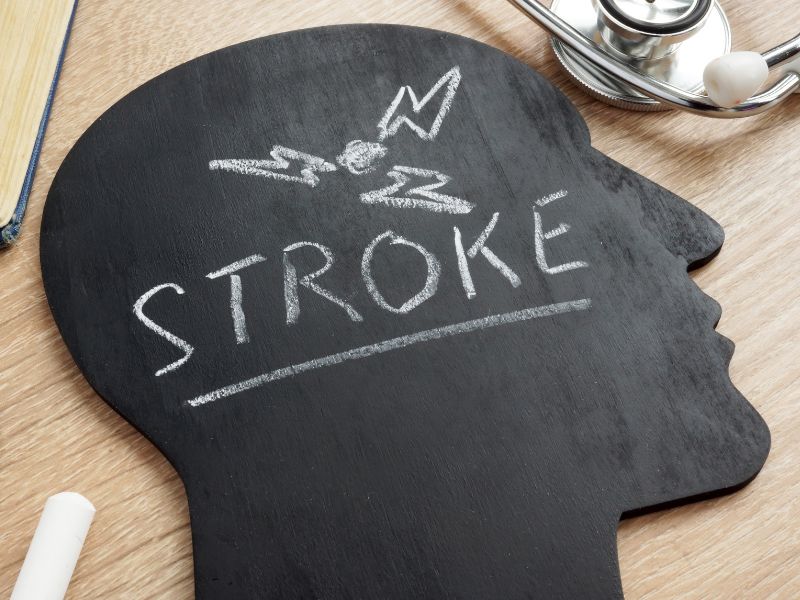

We must distinguish between the two primary stroke types in emergencies: ischemic strokes (87% of cases) result from blood vessel blockages, while hemorrhagic strokes (13%) occur...


When responding to a potential stroke, quick action is crucial. We’ll recognize symptoms using the F.A.S.T. acronym: Face drooping, Arm weakness, Speech difficulties, and Time to...


When facing a potential stroke, we must act fast. First, recognize the warning signs using the F.A.S.T. method: Face drooping, Arm weakness, Speech difficulties, and Time...


When faced with a potential stroke, we must act fast. First, recognize the symptoms using the FAST acronym: Face drooping, Arm weakness, Speech difficulties, and Time...


When faced with a potential stroke, we must act swiftly. First, we’ll recognize key symptoms: facial drooping, arm weakness, and speech difficulties. We’ll immediately call emergency...
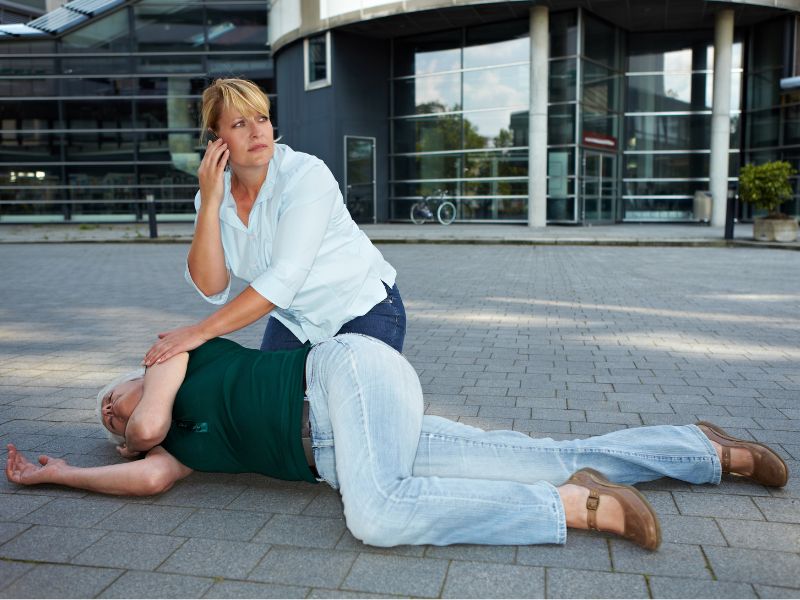


When faced with a potential stroke victim, we must act swiftly and decisively. First, we’ll recognize symptoms like facial drooping, arm weakness, and speech difficulties. Then,...


When a stroke hits, we need to act FAST. First, we check the person’s face for drooping. Then, we ask them to raise both arms to...
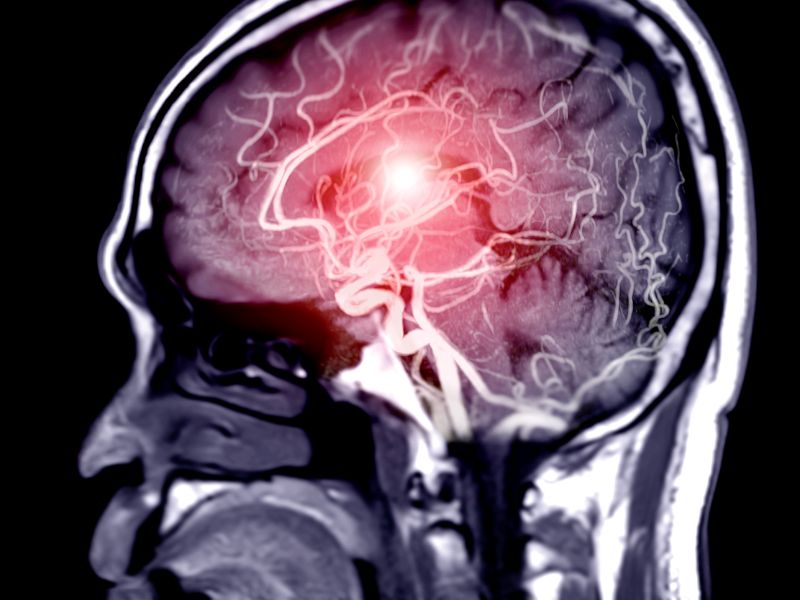
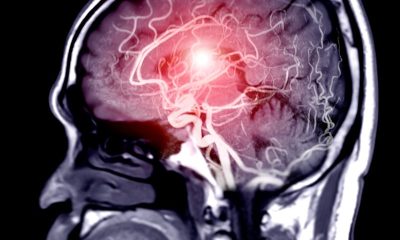

In stroke cases, recognizing symptoms quickly is crucial. We should look for facial drooping, slurred speech, and sudden weakness in one arm or leg. If we...

When we suspect someone’s having a stroke, it’s essential to act fast – every minute counts. We can identify potential stroke victims by using the F.A.S.T....


