
Connect with us


We respond to strokes by racing against the clock, as every minute of interrupted blood flow to the brain translates to millions of lost neurons and...


We must act quickly when responding to a suspected stroke victim. To identify a stroke, we assess the person’s Face, Arm, and Speech, and note the...


We can’t stress enough how vital time is for stroke victims’ recovery. In the first few hours after a stroke, every minute counts, and our swift...


We need to understand stroke types to provide effective first aid. Ischemic, hemorrhagic, and transient ischemic attacks require different responses. We’ll assess symptoms, like numbness or...


We use the FAST method to identify stroke symptoms, checking for face drooping, arm weakness, and speech difficulties. We also look for other vital indicators like...


We can assess a stroke by recognizing symptoms like weakness or numbness. We identify high-risk individuals and evaluate stroke severity. We comprehend the different types –...


We’re often better at recognizing stroke symptoms in others than in ourselves. But it’s essential to be aware of subtle warning signs in our own bodies....


It is understood that recognizing stroke symptoms is key to initiating the right response. We can identify symptoms like weakness, speech issues, and vision problems. We...

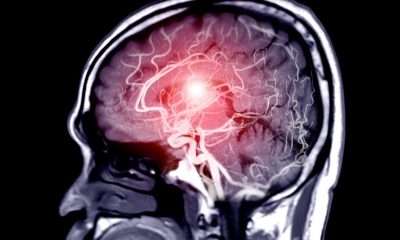

When we suspect a stroke, immediate action is fundamental for minimizing brain tissue damage. We’ll first employ the FAST protocol (Face, Arms, Speech, Time) to assess...


Stroke survival depends on our ability to recognize early warning signs and act swiftly within critical time windows. We’ve found that up to 80% of strokes...


