Health
The Role of Hygiene and Handwashing in Preventing the Spread of Flu
Published
3 years agoon
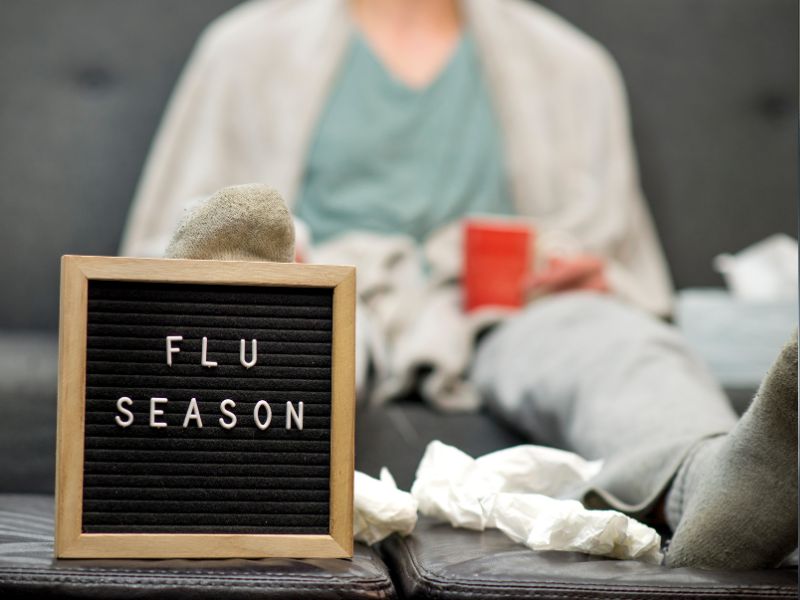
Hey there, folks! In this article, we’re going to dive into a topic that’s close to all of our hearts—how to stay healthy and keep those nasty seasonal flu bugs at bay! With flu season always lurking around the corner, it’s crucial to understand the significance of hygiene and handwashing in flu prevention. So, let’s roll up our sleeves and get into it!
Understanding Flu Transmission
Alright, let’s start by getting a handle on how this pesky flu virus spreads. The flu typically hops from person to person through respiratory droplets when someone with the virus coughs, sneezes, or even talks! Yikes, that sounds contagious, right? But wait, there’s more! The flu can also land on surfaces, turning everyday objects into flu hotspots. That’s why we need to be extra cautious during flu season, especially around vulnerable populations like young kids, the elderly, and those with weakened immune systems.
The Power of Handwashing
Now, you might wonder, “How does simple handwashing help fend off the flu?” Well, it turns out that washing our hands with soap and water is like magic against those flu viruses! Studies have shown that proper handwashing can significantly reduce the number of flu cases each year. The secret sauce is the mechanical action of scrubbing, which helps wash away those little buggers from our hands. So, don’t underestimate the power of a good scrub-a-dub-dub!
To make the most of our handwashing, we should follow some simple guidelines. First, use warm water and lather up with soap for at least 20 seconds—sing your favorite song to pass the time! Don’t forget to clean between your fingers, under your nails, and up to your wrists. And remember, folks, hand sanitizer is handy when soap and water aren’t available!
Choosing the Right Soap and Sanitizer
Alright, now that we’re all handwashing experts, let’s talk about the right tools for the job. There are a gazillion soaps and sanitizers out there, so how do we pick the best ones to fight off the flu? Well, look for soap with anti-bacterial properties—those are like flu fighters in a bottle! As for hand sanitizers, check for ingredients like alcohol, which can zap those flu viruses into oblivion. When shopping, keep an eye out for products that are specifically effective against the flu virus.
Hand Hygiene in Daily Life
Now that we’ve got our flu-fighting tools, let’s integrate hand hygiene into our daily routines. It’s simple, really! Before chowing down on that delicious meal, wash your hands thoroughly. After coughing, sneezing, or blowing your nose—wash those hands again! And for those times when you can’t find a sink nearby, keep a trusty hand sanitizer in your bag. Let’s be real, staying flu-free isn’t rocket science—it’s all about the good ol’ hand hygiene!
Handwashing Etiquette
Here’s a little secret to keep the flu from spreading like wildfire: proper coughing and sneezing etiquette! It’s as easy as ABC—always Be considerate! Cover your mouth and nose with a tissue when you sneeze or cough. No tissue? No worries! Use your elbow like a superhero cape to contain those germs. Improper etiquette is like rolling out the red carpet for flu viruses, so let’s avoid that, shall we?
Hand Hygiene at Work and School
Picture this: a bustling office or classroom filled with people and opportunities for flu bugs to go on a party spree. Scary, right? But fear not, because we’ve got the ultimate weapon—hand hygiene! Encourage your colleagues or classmates to join the flu-fighting brigade by promoting handwashing at work and school. You can even set up little hygiene stations with hand sanitizers and reminders to keep those hands clean. We’re all in this together, folks!
Teaching Handwashing to Children
Kids are amazing learners, and they can be our hand hygiene champions! Parents and educators, gather ’round! Teaching kids the art of handwashing can be fun and exciting. Turn it into a game, sing a handwashing song, or have a handwashing race! Let’s unleash our creativity and make hand hygiene education a delightful experience for our little ones. Plus, kids can spread the word and encourage their friends and family to stay flu-free too!
Complementing Hand Hygiene with Other Preventive Measures
High-five for our hand hygiene efforts so far! But remember, it’s all about teamwork when it comes to flu prevention. Besides handwashing, we’ve got a couple more tricks up our sleeves. Flu vaccination—yes, please! Wearing masks and staying home when we’re feeling under the weather—thumbs up! When we combine these preventive measures, we create an impenetrable fortress against the flu virus. So, let’s team up and fight the good fight together!
Frequently Asked Questions (FAQs)
Q1: Is handwashing really that effective against the flu?
Absolutely! Handwashing with soap and water is one of the most effective ways to prevent flu transmission. It helps wash away flu viruses from our hands, reducing the risk of infection.
Q2: Can hand sanitizer replace handwashing?
While hand sanitizer is a great option when soap and water are not available, handwashing remains the gold standard for removing flu viruses from our hands. Whenever possible, opt for handwashing with soap and water.
Q3: Should I still get a flu vaccine if I practice good hand hygiene?
Definitely! Flu vaccination is a crucial part of flu prevention. Combining hand hygiene with vaccination offers the best protection against the flu virus.
Q4: How can I teach my kids about proper handwashing?
Make handwashing fun! Sing a handwashing song, create a handwashing chart with stickers, or use colorful soap. Kids love adventure, so turn hand hygiene into a superhero mission!
Q5: Can using hand sanitizer too often be harmful?
Using hand sanitizer in moderation is safe and effective. However, excessive use may dry out your skin. Remember to moisturize your hands regularly to keep them soft and healthy.
Remember, folks, knowledge is power! Stay informed, stay clean, and stay flu-free!
Conclusion
There you have it, friends! We’ve explored the superpowers of hygiene and handwashing in the battle against the flu. With a splash of soap and a dash of hand sanitizer, we can keep those flu bugs at bay and protect our loved ones. So, remember to scrub up those hands, follow proper coughing and sneezing etiquette, and embrace a holistic approach to flu prevention. Let’s be flu fighters and spread the word to keep our communities healthy and happy!
First aid
Health Effect Lessons Hidden Inside Everyday First Aid Situations
Published
1 month agoon
July 20, 2026
Everyday first aid teaches us more than we realize. We shouldn’t ice swelling too long—it blocks the repair cells we actually need. We should trust burns’ redness as inflammation doing its job, not damage. It’s understood that covered wounds heal faster than “breathing” ones. We can spot dehydration masquerading as tension headaches. Even bruise colors reveal how our blood repairs itself. Stick with us, and we’ll show you exactly what each situation reveals.
Why Ice Isn’t Always the Answer for Swelling
Although we’ve all reached for an ice pack the moment an ankle swells or a knee bruises, we’re often working against our body’s own repair process. Swelling isn’t damage—it’s your inflammatory response delivering repair cells to injured tissue. When we flood the area with cold therapy, we constrict blood vessels and slow that delivery, potentially extending recovery time rather than shortening it.
We need to retire outdated swelling myths, particularly the assumption that less swelling always means faster healing. Research increasingly shows that brief, strategic cold application helps with pain control, but continuous icing can blunt necessary cellular activity.
Consider alternative remedies: gentle movement, compression, and elevation often outperform ice alone. We’re better served by supporting inflammation intelligently, not suppressing it reflexively. Master the difference, and you’ll heal smarter, not just faster.
What a Burn Teaches You About Skin and Inflammation
Just as swelling gets misunderstood, burns offer their own masterclass in inflammation—one written directly on our skin. When we burn ourselves, we damage skin layers, and our body’s inflammation response kicks in immediately—redness, heat, and swelling signal cellular repair in motion. We don’t need to fight this response; we need to support it.
Effective first aid starts with cool (not ice-cold) running water for ten to twenty minutes, which reduces tissue damage and aids pain management. We should avoid butter, ice, or unproven remedies—they trap heat or damage tissue further.
For proper burn healing, we keep the area clean, avoid popping blisters, and monitor for infection. These recovery tips protect deeper skin layers, minimize scarring, and remind us that inflammation, when respected, is our fastest path to full recovery.
The Truth Behind “Let It Breathe” Wound Care
Because we grew up hearing “let it breathe,” we assume open air speeds healing—but wound care research says otherwise. We now know moist, covered wounds heal faster than exposed ones. When we leave a cut uncovered, we let the surface dry out, forming a scab that blocks new cells from migrating across the wound bed. Covering it instead supports wound healing by maintaining moisture, protecting blood supply to fragile new tissue, and cutting healing time considerably.
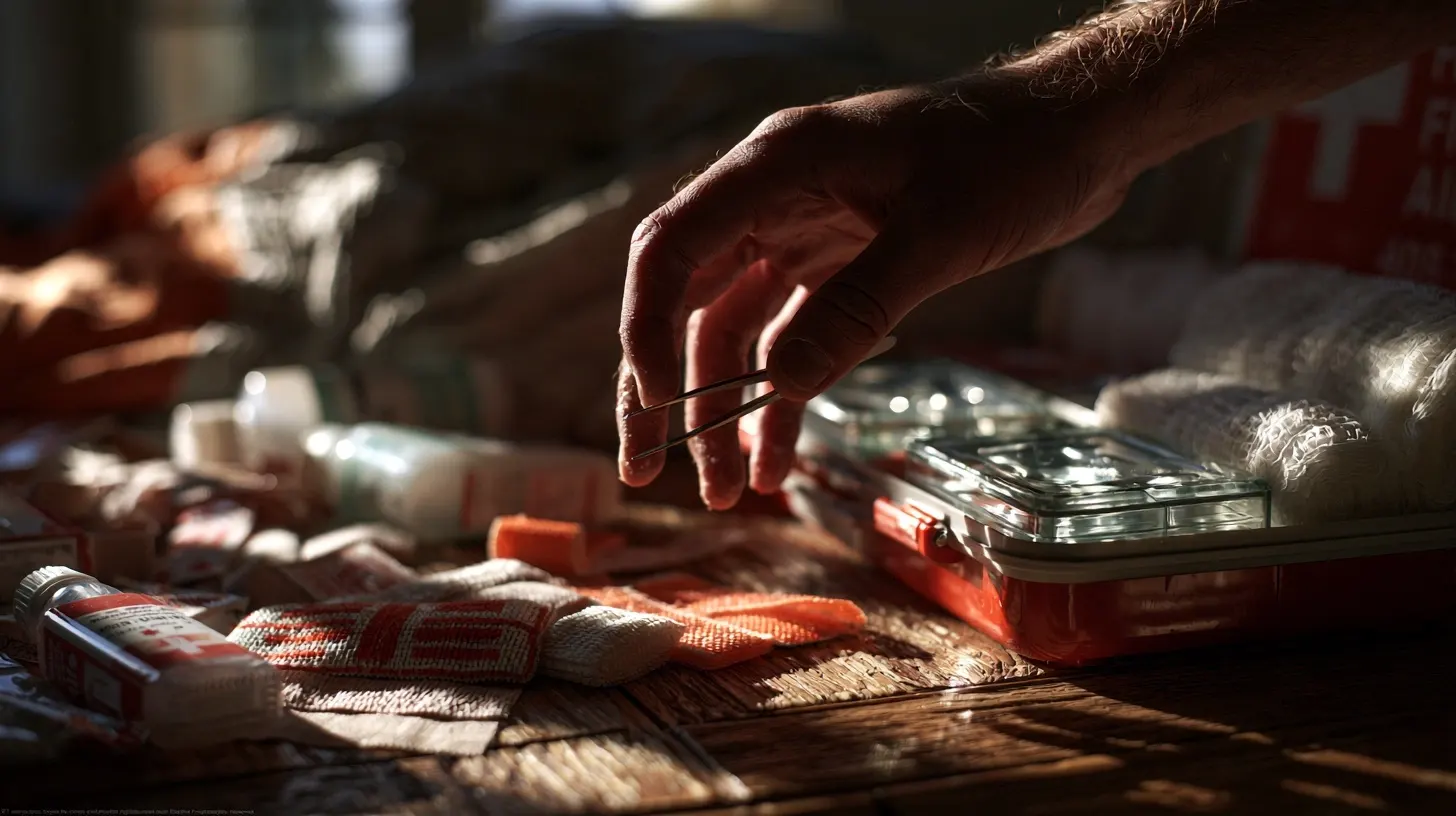
We also control infection prevention better with the right dressing types. Breathable, occlusive dressings shield wounds from bacteria while managing swelling through gentle compression. So instead of exposing a wound, we choose a dressing that matches its depth and drainage, changing it before buildup slows recovery.
Why That Headache Reveals More Than Stress
We often blame headaches on stress, screen time, or dehydration—and dismiss them without a second thought. But not all headaches share the same cause, and treating them identically misses critical warning signs. Dehydration effects often mimic tension headaches, creating a dull, band-like pressure across the forehead—easily resolved with fluids and electrolytes. Tension headaches, by contrast, stem from muscle tightness in the neck and shoulders, demanding stretching and posture correction, not just water.
Migraine triggers operate differently altogether. They involve neurological changes, light sensitivity, and nausea—symptoms that painkillers alone won’t fully address. We need to track patterns: sleep, diet, hormones, and lifestyle factors all play a role.
Recognizing these distinctions transforms headache management from guesswork into precision—identifying root causes instead of masking symptoms.
What Bruises Tell You About Your Blood and Healing Speed
That purple-yellow bloom on your shin isn’t random—it’s a timeline. We can read bruise colors like a diagnostic chart: red-purple signals fresh trauma, blue-black marks the 1-2 day mark, green appears by day 5-7, and yellowish tones close out the healing timeline around day 10-14. This progression tracks blood flow as your body breaks down and clears trapped hemoglobin.
We should pay attention when the pattern deviates. Slow-fading bruises or excessive bruising point to recovery factors like vitamin deficiencies, medication interactions, or underlying conditions—clotting disorders, liver issues, even certain cancers. Pain levels matter too: sharp, escalating pain (not just tenderness) suggests deeper tissue or bone injury, not a simple bruise.
Track color, timing, and pain together—that’s mastery.
Frequently Asked Questions
How Long Should You Wait Before Seeing a Doctor for a Burn?
We don’t wait if burn severity looks serious—we seek care immediately for deep, large, or blistering burns. For minor burns, we start burn treatment at home, but see a doctor within 24 hours if symptoms worsen.
Can Certain Medications Make Bruising Worse Than Normal?
Blood-thinning blows can bruise you badly. We’ve seen medication effects—aspirin, warfarin, NSAIDs—amplify bruising causes by slowing clotting. You’ll notice bigger, darker marks. Track your medications, watch for unusual bruising patterns, and tell your doctor if bruises appear excessive or unexplained.
Is It Safe to Use Painkillers for Headaches Every Day?
No, we don’t recommend it. Daily use builds painkiller tolerance and can trigger rebound headaches. Instead, we identify headache triggers, track patterns, and address root causes. Use medication strategically, not habitually—mastery means treating causes, not just symptoms.
Does Diet Affect How Quickly Wounds Heal?
Yes—diet considerably impacts wound healing. We recommend prioritizing protein, vitamin C, and zinc; these nutritional factors fuel tissue repair and collagen synthesis. Skip them, and you’ll notice slower recovery, increased infection risk, and compromised healing outcomes.
Why Do Some People Bruise More Easily Than Others?
We see bruising causes tied to genetic factors, age effects, and skin thickness—thinner skin bruises faster as we age. Certain medical conditions and blood-thinning medications amplify this. We can’t ignore biology, but we can monitor changes closely.
Conclusion
We don’t need a medical degree to read our body’s signals—we just need to pay attention. That ice pack, that burn, that bruise: they’re all telling us something deeper than “ouch.” So why ignore the clues? Next time you reach for a bandage, stop and listen first. Treat the cause, not just the symptom. Your body’s already talking. We just have to start listening.
First aid
The Health Effect Science Behind First Aid Response Times
Published
1 month agoon
July 16, 2026
When someone’s heart stops, we’re racing against biology itself. Adrenaline surges, but without oxygen, brain cells start deteriorating within four to six minutes, and survival odds drop 7-10% every minute that passes. Cardiac muscle loses its ability to contract efficiently, while lactic acid disrupts cellular function—triggering a vicious cycle of failing circulation and starving tissue. We’ll show you exactly how these mechanisms unfold, and why your response window matters more than you think.
What Happens Inside Your Body During an Emergency
Your heart slams against your ribs before you even register the danger. That’s the adrenaline surge—your adrenal glands dumping hormones into your bloodstream within seconds of perceiving threat. We call this the stress response, and it’s remarkably efficient.
Blood flow redirects immediately, pulling away from digestion and toward your muscles and brain. This is fight or flight in action: your body preparing you to move, react, survive. Simultaneously, pain perception dulls—a protective mechanism that lets you function despite injury.
These physiological changes extend further than you’d expect. Your immune system kicks into gear too; immune activation begins almost instantly, priming your body to fight infection before you’ve even sustained a wound.
Every second counts here.
The Golden Minutes: Why Every Second Counts
Cardiac arrest kills brain cells within four to six minutes of oxygen deprivation—we’re racing a clock that doesn’t pause for confusion or hesitation. Every second without intervention compounds cellular damage, narrowing our margin for full recovery. This is why emergency preparedness isn’t optional—it’s the difference between reversible injury and permanent loss.
Consider what happens minute by minute:
- 0-4 minutes: Brain cells begin deteriorating; immediate CPR can preserve function
- 4-6 minutes: Irreversible damage accelerates without intervention
- 6-10 minutes: Survival odds plummet dramatically absent life saving techniques
We can’t control when emergencies strike, but we control our response speed. Trained bystanders who act within these golden minutes triple survival rates. Our hesitation costs neurons; our preparation buys time. Master this window, and we save lives.
How Oxygen Deprivation Damages the Brain and Heart
Because oxygen fuels every cellular process that keeps tissue alive, its absence triggers a rapid cascade of destruction we can’t afford to ignore. Within seconds of oxygen deprivation, neurons switch to anaerobic metabolism, producing lactic acid that disrupts cellular pH. We see irreversible brain damage begin around the four-minute mark, as neurons in the hippocampus and cortex die first, since they’re most metabolically demanding.
Heart health deteriorates just as quickly. Cardiac muscle cells, deprived of oxygen, lose their ability to contract efficiently, triggering arrhythmias that compound the crisis. Without functioning circulation, the damage spreads—starving the brain further and creating a vicious cycle.
This is why emergency response within those critical minutes matters so much: we’re racing against biology itself, not just the clock.
The Research Behind First Aid Response Times
Since biology sets such an unforgiving timeline, researchers have worked to pin down exactly how response speed translates into survival odds. Cardiac arrest studies remain the clearest proof: survival rates drop roughly 7-10% with every minute that passes without intervention. This data isn’t theoretical—it’s drawn from thousands of documented emergency cases, and it directly shapes how we evaluate first aid effectiveness.
The research consistently highlights three critical variables:
- Time to recognition—how quickly bystanders identify the emergency
- Time to intervention—how fast someone begins CPR or uses an AED
- Quality of technique—whether compressions and rescue breaths meet clinical standards
We can’t overstate what this means for response effectiveness. Every second of hesitation compounds cellular damage that’s already underway. The numbers don’t leave room for guesswork—they demand action.
Turning the Science Into Faster, Smarter Action
Numbers alone won’t save anyone; we need to convert them into concrete habits that shrink the gap between collapse and action. We start by drilling rapid assessment until it’s reflexive: scan the scene, check responsiveness, confirm breathing, call for help—all within seconds, not minutes. We practice until hesitation disappears, because muscle memory outperforms panic every time.
Emergency preparedness means more than a stocked kit; it’s rehearsed decision-making. We run mental simulations, memorize CPR ratios, and know our nearest AED location before we ever need it. We train under mild stress to mimic real chaos, since calm practice rarely translates to crisis performance.
Ultimately, we treat every second as a variable we control—through preparation, precision, and practiced execution, not luck.
Frequently Asked Questions
Can Bystander CPR Training Certifications Expire, and How Often?
Yes, we require renewal every two years. Certification frequency matters because guidelines evolve—compressions ratios, AED protocols, response thresholds. We insist you stay current: skipping training updates means degraded skill retention and compromised bystander intervention when seconds dictate survival outcomes.
Does Calling Emergency Services First Delay Hands-On First Aid Help?
No—we don’t sacrifice seconds. Call first, then act: activate emergency response time while simultaneously initiating first aid. Speaker mode lets you assess airway, breathing, and circulation without delaying critical intervention. Parallel processing saves lives; sequential thinking doesn’t.
Are Automated External Defibrillators Safe for Untrained Bystanders to Use?
Yes—we insist AEDs are foolproof, not fearsome. Voice prompts guide every step, ensuring AED accessibility translates into decisive action. We can’t afford hesitation: your fast use accelerates emergency response, and the device itself prevents inappropriate shocks. Trust it.
How Do Rural Response Times Compare Statistically to Urban Areas?
We see stark disparities: rural challenges—longer distances, sparse EMS coverage—push median response times past 14 minutes, while urban advantages—dense stations, shorter routes—yield sub-7-minute averages. You’ll need this data for risk stratification.
What Legal Protections Exist for Bystanders Who Administer First Aid?
We’ll say it plainly: a thousand statutes stand guard over you. Good Samaritan laws grant legal immunity when we act in good faith, shielding us from liability—so hesitation costs lives; protection empowers action.
Conclusion
We can’t control when someone’s heart stops beating in front of us—it happens without warning, often when we least expect it. That’s precisely why we must be ready before that moment finds us. The science is clear: minutes determine outcomes. Cells die, brain damage sets in, and survival odds plummet with every passing second. We owe it to those around us to know CPR now, not later.
First aid
First Aid Health Effect Explained Like You’re at the Scene
Published
1 month agoon
July 15, 2026
When injury strikes, your sympathetic nervous system fires immediately — catecholamines surge, heart rate spikes, and coagulation cascades activate. Platelets aggregate, histamine dilates local vessels, and nociceptors signal protective reflexes. Our first aid decisions either reinforce these mechanisms or override them dangerously. Misapplied interventions — butter on burns, removing impaled objects — sabotage the body’s own hemostatic response. Correct sequential prioritization supports physiological compensation before shock shifts from compensated to irreversible, and there’s considerably more to unpack on every stage.
What Happens Inside Your Body the Moment Injury Strikes
When injury strikes, our bodies trigger an immediate cascade of physiological responses designed to limit damage and initiate repair. The injury response initiates within milliseconds — sympathetic nervous system activation floods circulation with catecholamines, elevating heart rate and redirecting perfusion to critical organs.
Simultaneously, vascular injury triggers platelet aggregation and coagulation cascades, forming hemostatic plugs. Mast cells release histamine, producing localized vasodilation and increased capillary permeability — hallmarks of the inflammatory phase. Pain signaling via nociceptors transmits afferent impulses to the central nervous system, triggering protective withdrawal reflexes.
These physiological changes collectively constitute the body’s acute trauma protocol. Understanding this sequence isn’t academic — it’s operationally critical. Effective first aid intervention directly modulates these responses, determining whether the injury trajectory moves toward recovery or deterioration.
Why Bleeding, Burns, and Breaks Each Demand a Different Response
Each injury type exploits distinct physiological vulnerabilities, so blanket first aid protocols fail — hemorrhage demands hemostatic control via direct pressure and elevation to counteract coagulation disruption; thermal burns require immediate cool-water irrigation to halt residual tissue destruction and minimize inflammatory cascade escalation; fractures prioritize immobilization to prevent neurovascular compromise and secondary soft-tissue damage from unstabilized bone fragments.
Different injuries demand different responses — one-size-fits-all first aid fails the moment it meets real physiological complexity.
Response urgency scales with mechanism severity. We must triage accurately before acting.
- Bleeding control: Apply sustained direct pressure 10–15 minutes minimum; tourniquet proximal to wound if hemorrhage is arterial
- Burn treatment: Irrigate with cool (not cold) water 20 minutes; never apply ice or occlusive dressings initially
- Fracture stabilization: Splint joints above and below the break; monitor distal pulse, sensation, and motor function continuously
How Shock Quietly Turns a Minor Emergency Into a Fatal One
Shock deceives us — it masquerades as stability while simultaneously triggering a cascading hemodynamic collapse that converts a survivable injury into an irreversible one. Compensatory mechanisms temporarily maintain blood pressure, masking deterioration until decompensation strikes irreversibly.
Shock recognition demands we identify subtle early markers before catastrophic failure occurs.
| Shock Stage | Treatment Priorities |
|---|---|
| Compensated | Lay supine, elevate legs, preserve warmth |
| Decompensated | Aggressive fluid resuscitation, oxygen delivery |
| Irreversible | Immediate ALS activation, CPR readiness |
| All Stages | Hemorrhage control, continuous essential monitoring |
We must never conflate transient stabilization with resolution. Tachycardia, pallor, diaphoresis, and altered mentation signal impending collapse. Intervene aggressively during the compensated window — that’s our only reliable opportunity to interrupt shock’s lethal trajectory.
The First Aid Actions That Actually Change the Body’s Outcome
Recognizing shock’s compensatory window only matters if we act within it — and the actions we take must directly alter physiologic trajectory, not merely comfort the patient. Effective wound care stops hemorrhage-driven volume depletion; compression techniques mechanically occlude damaged vasculature, preserving preload. Every intervention targets a specific hemodynamic variable.
- Hemorrhage control: Apply direct compression techniques using wound packing with hemostatic gauze, maintaining continuous pressure for minimum 3 minutes to achieve clot formation
- Perfusion preservation: Position supine with legs elevated 15–30°, optimizing venous return without compromising respiratory mechanics
- Thermal protection: Prevent heat loss immediately — hypothermia accelerates coagulopathy, compounding hemorrhagic shock
Prioritize interventions sequentially. Wound care addresses the source; positioning and thermoregulation defend the cascade. Both must occur simultaneously in two-rescuer scenarios.
When First Aid Helps : and When It Can Make Things Worse
First aid’s efficacy isn’t binary — it’s context-dependent, and misapplied interventions can accelerate the pathophysiology we’re trying to arrest. First aid myths and common misconceptions kill — literally. Tilting a bleeding patient’s head back risks aspiration. Applying butter to burns traps heat, worsening dermal damage. Removing an impaled object destabilizes tamponade, triggering hemorrhagic cascade. We’ve seen these errors repeat because untrained responders conflate intuition with protocol.
Conversely, correctly timed interventions rewrite outcomes. Bystander CPR within four minutes preserves cerebral perfusion before irreversible neuronal death. Tourniquet application above arterial bleeds buys critical surgical time. We must distinguish between high-yield, evidence-based actions and dangerous folk remedies masquerading as care. Precision matters. Hesitation costs. Misapplication costs more. Train to protocol — not assumption.
Frequently Asked Questions
How Long Can Someone Survive Without First Aid Before Permanent Damage Occurs?
Time’s our enemy: survival time before permanent damage strikes varies—cardiac arrest gives us 4–6 minutes before irreversible brain hypoxia. We must initiate BLS immediately, as every minute without intervention escalates permanent damage exponentially.
Does Emotional Trauma During an Emergency Affect Physical First Aid Outcomes?
Yes, it absolutely does. We’ve seen trauma response trigger vasoconstriction, hyperventilation, and shock—complicating hemorrhage control and airway management. Building emotional resilience in bystanders directly improves intervention precision, compliance, and overall patient survivability during critical first aid scenarios.
Can Bystander Hesitation Actually Worsen the Victim’s Physiological Stress Response?
Coincidentally, the moment we hesitate, cortisol and adrenaline surge unchecked. Delayed bystander intervention directly amplifies the victim’s physiological stress response, accelerating tachycardia, vasoconstriction, and shock progression—outcomes we’re physiologically wired to prevent through immediate, decisive action.
How Does Extreme Weather at the Scene Impact First Aid Effectiveness?
Extreme weather conditions compromise first aid techniques considerably. We must prioritize responder safety before intervening, as temperature extremes accelerate physiological deterioration—hypothermia worsens hemorrhagic shock, heat exacerbates hypoperfusion. Adapt protocols dynamically; environmental stressors compound victim mortality risk rapidly.
Are Certain Blood Types More Vulnerable to Complications During Emergencies?
No blood type’s inherently more vulnerable, but blood type compatibility becomes critical during transfusions. We must prioritize emergency response training to identify type-specific risks fast, ensuring we’re managing hemorrhagic shock and coagulopathies effectively before transport.
Conclusion
We’ve covered what’s actually happening physiologically when tissue tears, vessels rupture, and perfusion drops. First aid isn’t guesswork — it’s targeted intervention at the cellular level. Every protocol exists because the body’s compensatory mechanisms have hard limits. Think of your hands as a circuit breaker: applied correctly, you interrupt the cascade before irreversible damage propagates downstream. Master the indications, contraindications, and sequencing. Hesitation costs perfusion. Perfusion costs survival.
How First Aid Helps When Choking Hazards Catch You Off Guard
Choking Hazards First Aid: What to Do in Those Scary Seconds
From Grapes to Toys: First Aid Choking Hazards Explained
Concussion Protocols in Contact Sports: Ensuring Athlete Safety and Staying Ahead of Innovations
Understanding the Warning Signs: Recognizing the Early Symptoms of Stroke
Emergency First Aid: Treating Dehydration on the Spot
Trending
-
First aid3 years agoConcussion Protocols in Contact Sports: Ensuring Athlete Safety and Staying Ahead of Innovations
-
stroke victims3 years agoUnderstanding the Warning Signs: Recognizing the Early Symptoms of Stroke
-
First aid3 years agoEmergency First Aid: Treating Dehydration on the Spot
-
First aid3 years agoReturn to Play Guidelines for Children with Minor Head Injuries
-
CPR techniques3 years agoChoking Hazards: What To Do When Someone Can’t Breathe
-
First aid3 years agoInside the Bathroom Battle: Recognizing Diarrhea’s Warning Signs
-
Choking hazards3 years agoThe ABCs of First Aid: Airway, Breathing, Circulation
-
First aid3 years agoFirst Aid for Cuts and Wounds: Cleaning, Dressing, and Infection Prevention