Connect with us

When it comes to poisoning, we can’t wait for symptoms to appear — by then, toxins have already entered circulation...


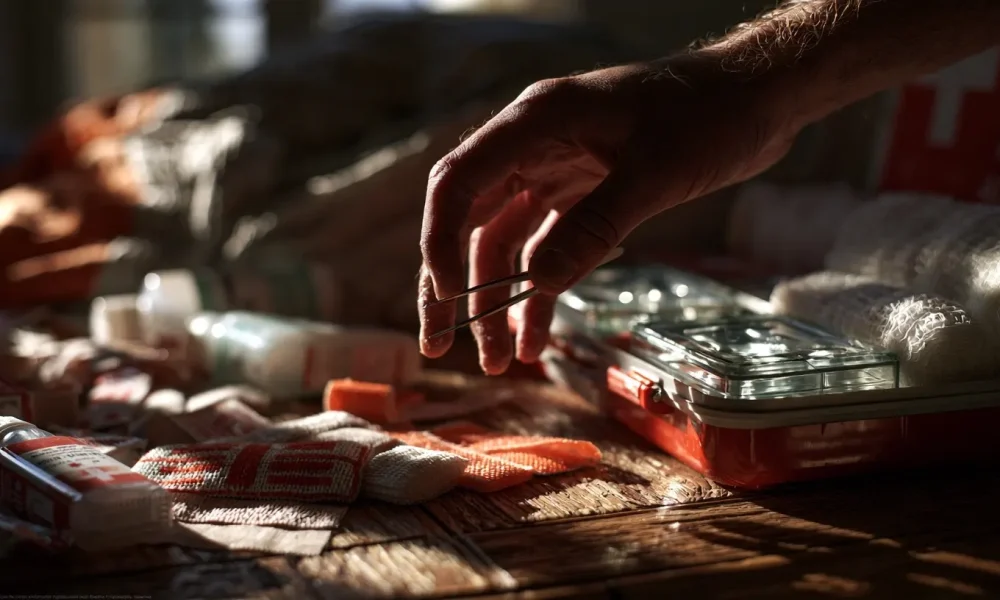

Everyday first aid teaches us more than we realize. We shouldn’t ice swelling too long—it blocks the repair cells we actually need. We should trust burns’...
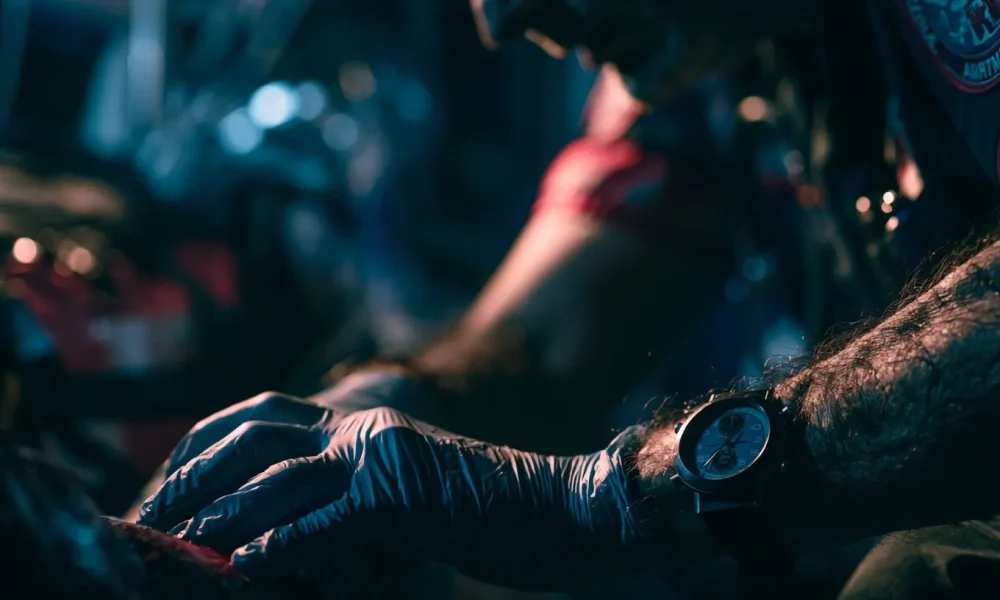

When someone’s heart stops, we’re racing against biology itself. Adrenaline surges, but without oxygen, brain cells start deteriorating within four to six minutes, and survival odds...
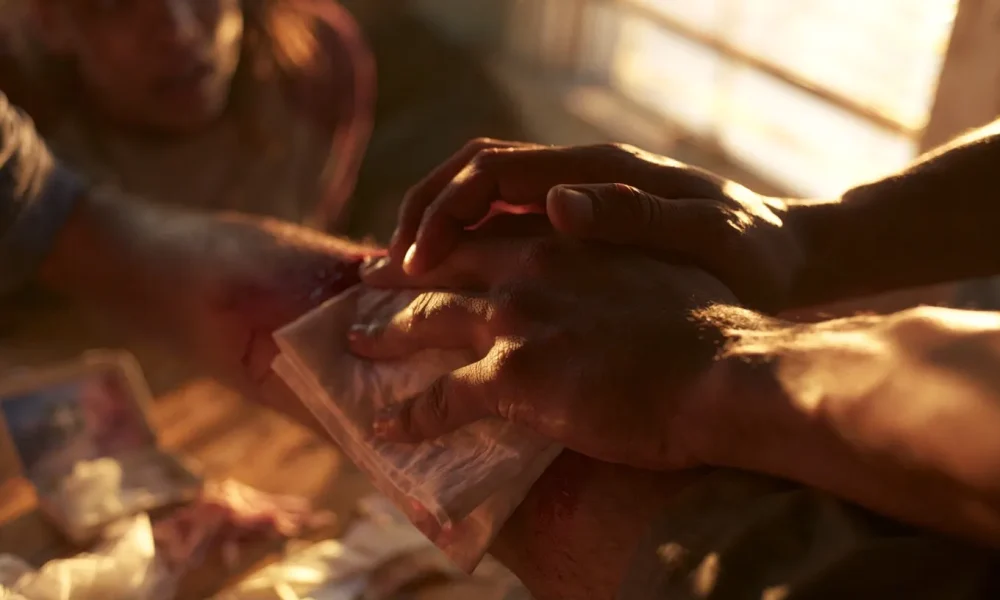
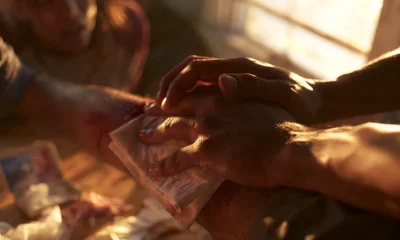

When injury strikes, your sympathetic nervous system fires immediately — catecholamines surge, heart rate spikes, and coagulation cascades activate. Platelets aggregate, histamine dilates local vessels, and...
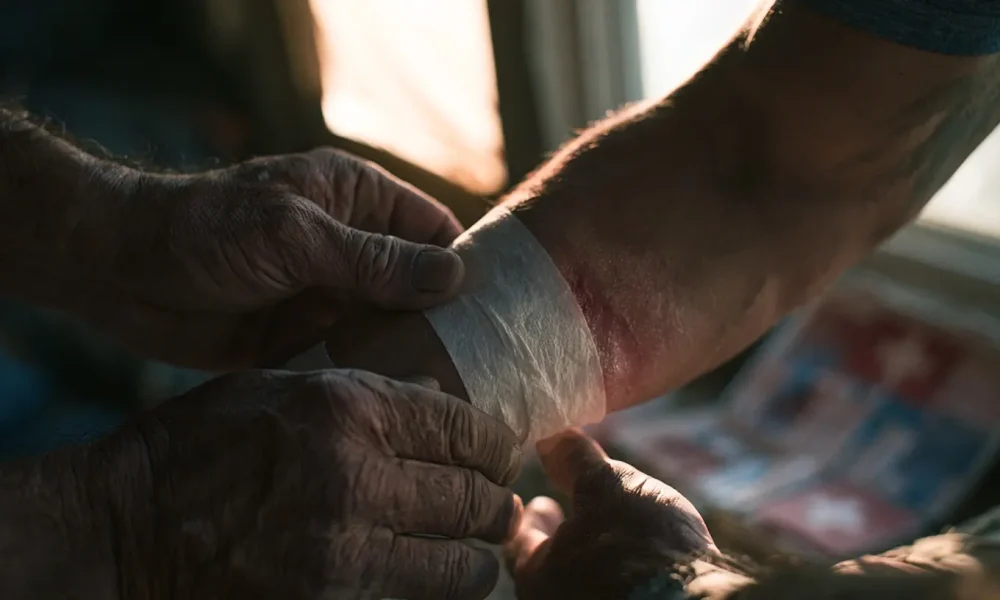

Every first aid decision we make triggers a direct biological response—either supporting or sabotaging the body’s healing mechanisms. When we apply compression, we stabilize clot formation....
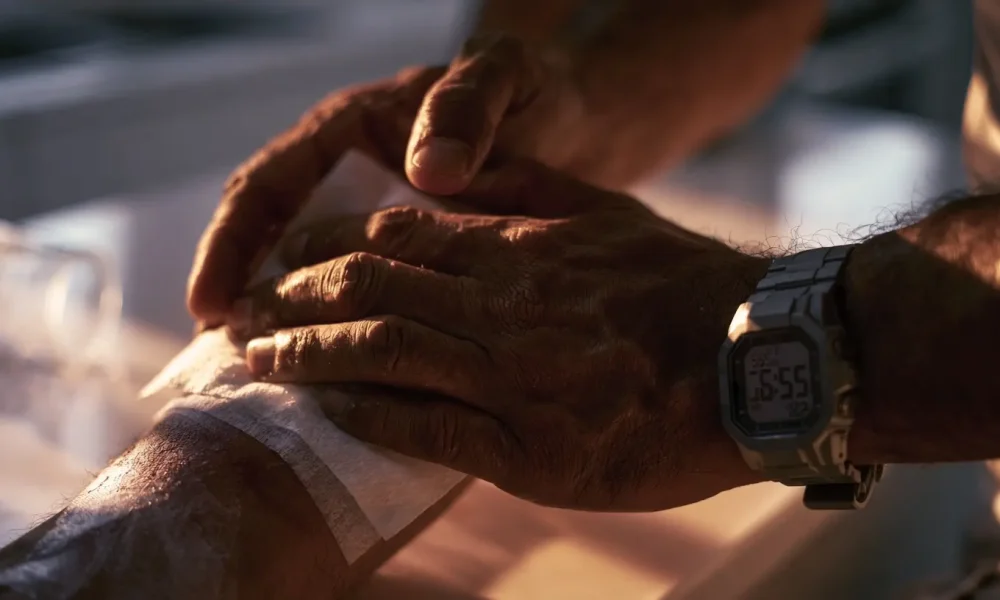
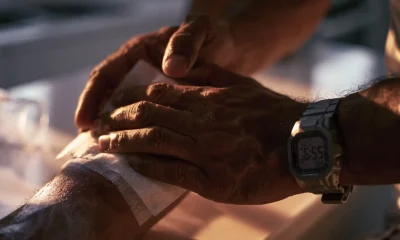

Every second after injury or cardiac arrest, the body moves toward irreversible damage. Brain cells die within four to six minutes without oxygen. Cardiac arrest survivability...
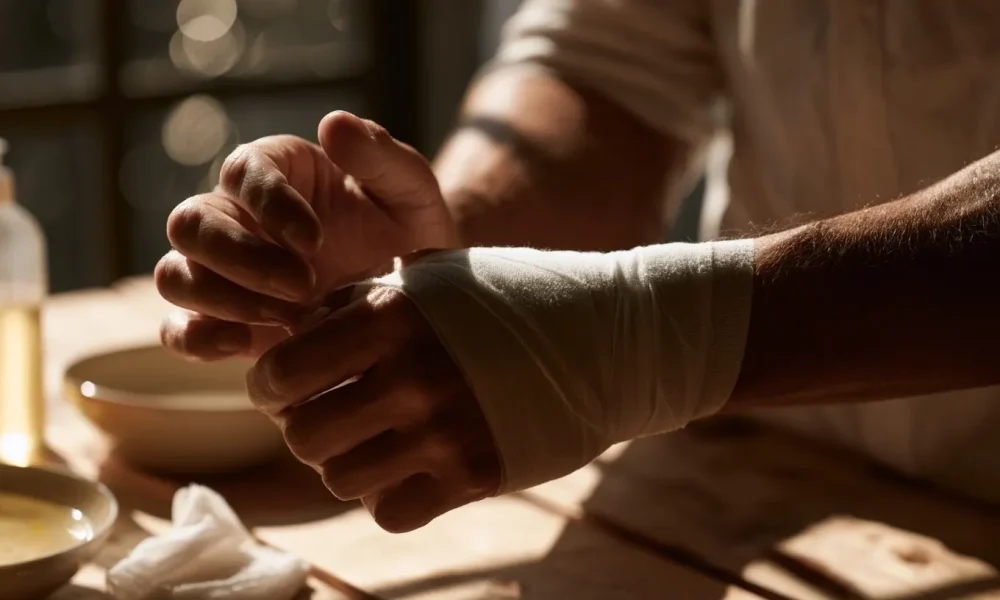

When we apply pressure to a wound, we’re triggering platelet aggregation and precise clotting cascades. Cooling a burn for 20 minutes actively suppresses prostaglandin synthesis, limiting...
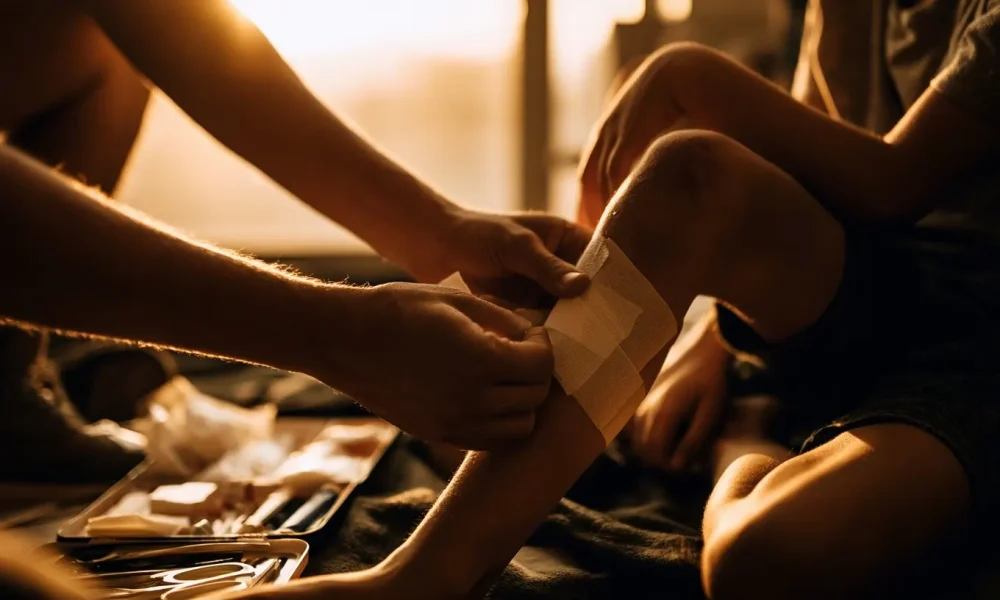


First aid isn’t just a personal skill — it’s a population-level health intervention. When cardiac arrest strikes, survival odds drop by up to 10% every minute...
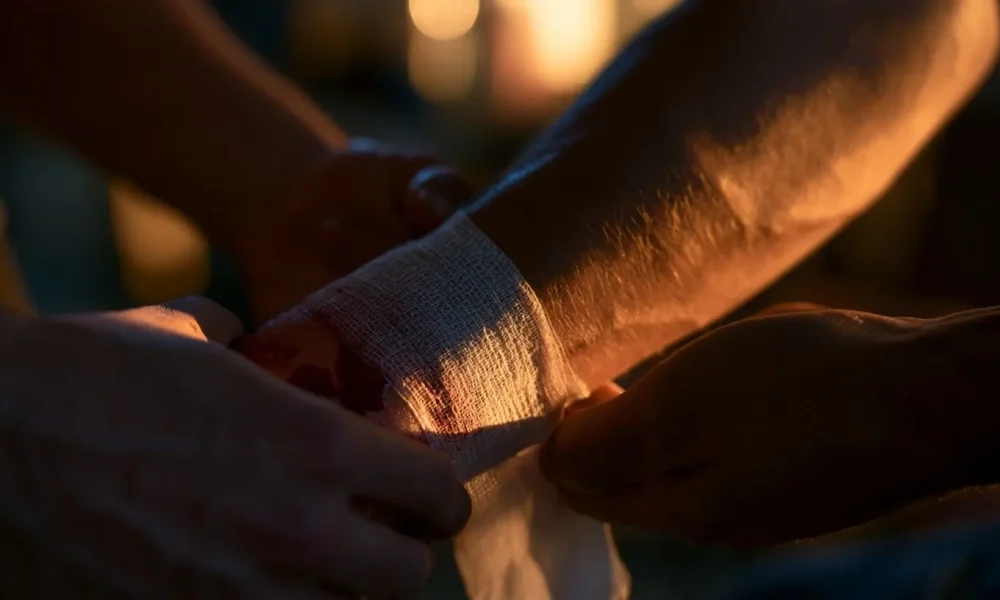

When you act fast in a medical emergency, you interrupt the body’s rapid deterioration cascade. Cardiac arrest depletes oxygen to the brain within 4–6 minutes, causing...
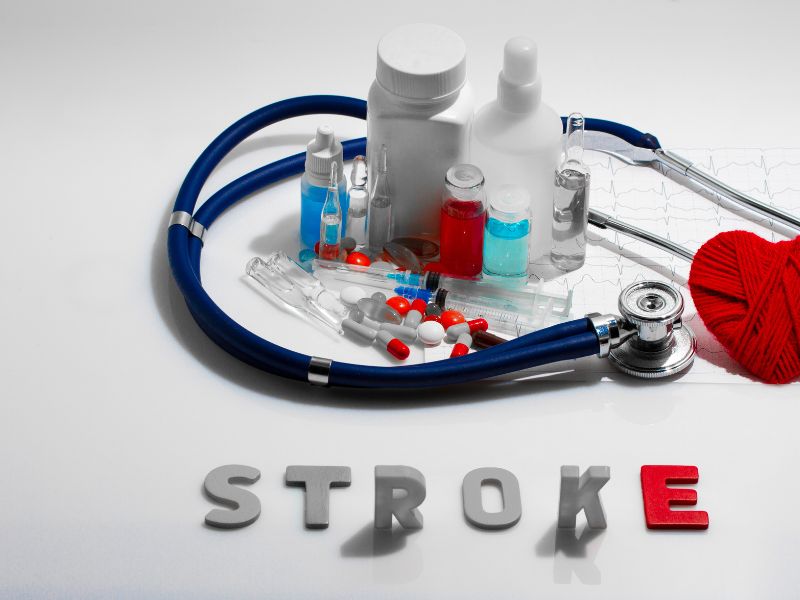

When someone’s having a stroke, every minute costs roughly 1.9 million neurons—and proper first aid directly controls how many of those minutes doctors recover. We call...
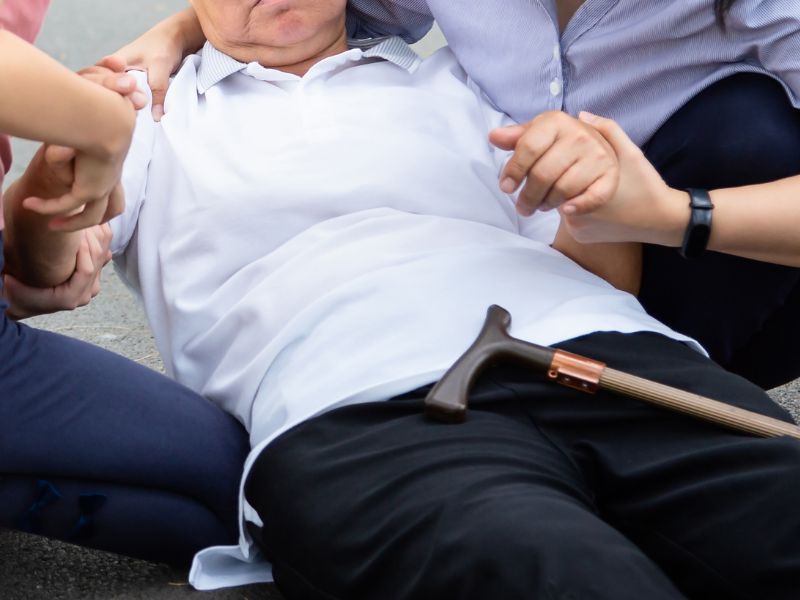

Stroke warning signs include facial drooping, arm weakness, speech difficulties, sudden severe headache, and vision disturbances — we identify these quickly using the FAST method. Once...