Connect with us

Dealing with burns

Maximizing Wound Healing: Strategies and Techniques with Moist Dressings

Published

on

Maximizing Wound Healing: Strategies and Techniques with Moist Dressings

Wound dressings play a pivotal role in the management of wounds, aiding in their healing process. This article examines the diverse range of wound dressings available, exploring their respective benefits and how they promote wound healing.

By understanding the various options for wound dressings, healthcare professionals can make informed decisions regarding their usage. Through evidence-based analysis, this article aims to provide clarity and conciseness while maintaining an objective and impersonal tone.

The utilization of alliteration adds a touch of sophistication to the writing style, catering to an audience that values intellectual freedom.

Key Takeaways

– Traditional gauze dressings provide a low-cost barrier against contaminants but may cause trauma during removal.
– Hydrocolloid dressings create a moist environment and are effective for low-to-moderate exudating wounds.
– Foam dressings have absorbent properties and are used for highly exuding wounds or as a secondary dressing.
– Alginate dressings derived from seaweed fibers are highly absorbent and suitable for heavily exuding wounds.

Advertisement

Types of Wound Dressings

The types of wound dressings encompass a range of materials and designs, each with distinct properties and functionalities. When exploring wound dressing materials, it is essential to consider their effectiveness in promoting wound healing. Different types of dressings include traditional gauze dressings, hydrocolloid dressings, foam dressings, alginate dressings, and film dressings.

Traditional gauze dressings are commonly used due to their availability and low cost. They provide a barrier against external contaminants but may adhere to the wound bed and cause trauma during removal.

Hydrocolloid dressings contain gel-forming agents that create a moist environment favorable for wound healing. These dressings are effective for low-to-moderate exudating wounds but may not be suitable for heavily exuding wounds.

Foam dressings have absorbent properties that allow them to manage moderate-to-heavy exudation while maintaining a moist environment. They are often used for highly exuding wounds or as secondary dressing over other primary dressings.

Alginate dressings derive from seaweed fibers and are highly absorbent, making them suitable for heavily exuding wounds.

Advertisement

Film dressings consist of transparent polyurethane sheets that provide an occlusive barrier against bacteria while allowing visualization of the wound site. They are often used on superficial wounds or as protective coverings over other types of primary dressing.

Comparing the effectiveness of these different types of wound dressings requires considering factors such as absorption capacity, moisture management capabilities, ease of application and removal, cost-effectiveness, patient comfort, and overall wound healing outcomes.

Further research is needed to establish clear guidelines on which type of dressing is most appropriate for specific wound characteristics and stages of healing.

Benefits of Wound Dressings

One important aspect to consider when evaluating wound dressings is the positive impact they have on the healing process. Proper wound care is essential for promoting optimal healing and preventing complications. Moist dressings, in particular, offer several benefits that contribute to improved outcomes.

Moist dressings create an environment that supports wound healing by maintaining an appropriate moisture level. They prevent excessive drying of the wound, which can lead to scab formation and delay healing. At the same time, they absorb excess exudate from the wound bed, reducing the risk of maceration and infection.

Advertisement

Additionally, moist dressings provide a protective barrier against external contaminants while allowing gas exchange. This helps to maintain an optimal oxygen supply to the wound site, which is crucial for cellular metabolism and tissue regeneration.

Moist dressings promote autolytic debridement by facilitating the breakdown of necrotic tissue through enzymatic activity. This gentle approach minimizes trauma to healthy tissues and promotes faster healing.

Promoting Wound Healing With Dressings

Promotion of wound healing can be achieved through the utilization of appropriate dressings that create a favorable environment for cellular repair and minimize complications. There are several wound care strategies and techniques that can help enhance this process:

1. Moist wound healing: Keeping the wound moist encourages the migration of cells involved in tissue regeneration, such as fibroblasts and keratinocytes. Moist dressings provide a barrier against external contaminants while allowing the wound to remain hydrated.

2. Antimicrobial properties: Certain dressings contain antimicrobial agents that help prevent infection by reducing bacterial colonization in the wound bed. This is particularly beneficial for wounds at higher risk of infection or those with delayed healing.

Advertisement

3. Absorption capacity: Dressings with high absorption capacity promote optimal moisture balance in the wound bed, preventing excessive exudate buildup while maintaining an adequate level of moisture to support healing.

By employing these wound healing techniques, healthcare professionals can optimize the conditions necessary for effective tissue repair and reduce complications associated with non-healing wounds.

It is important to consider individual patient factors when selecting an appropriate dressing, as different wounds may require specific characteristics from their dressings to ensure successful healing outcomes.

Exploring Wound Dressing Options

Exploring the different options for wound dressings involves considering their specific characteristics and how they contribute to the healing process. Wound dressing materials play a crucial role in creating an optimal environment for wound healing by providing protection, promoting moisture balance, and facilitating tissue regeneration.

There are various types of wound dressing materials available, each with its unique properties. Traditional dressings like gauze and adhesive bandages provide a barrier against external contaminants but may cause trauma during removal. Advanced dressings such as hydrocolloids, foams, and films offer improved moisture management, enhanced absorption capabilities, and reduced pain upon removal.

Advertisement

Wound dressing techniques also play a significant role in promoting wound healing. The choice of technique depends on factors such as the type and severity of the wound. For instance, wet-to-dry dressings involve applying moist gauze onto a wound bed and allowing it to dry before removal. This technique is commonly used for debriding necrotic wounds.


Frequently Asked Questions (FAQs)

How Long Does It Typically Take for a Wound to Heal With the Use of Wound Dressings?

The wound healing time with the use of wound dressings varies depending on several factors, such as the type and size of the wound, overall health of the individual, and effectiveness of the chosen dressing.

Are There Any Risks or Potential Complications Associated With Using Certain Types of Wound Dressings?

What risks and potential complications are associated with using certain types of wound dressings? Understanding the drawbacks of different dressings is crucial for effective wound management and to minimize adverse effects on healing.

Advertisement

Can Wound Dressings Be Used on All Types of Wounds, Regardless of Their Severity or Location?

The effectiveness of wound dressings on chronic wounds varies depending on the type of wound and its severity or location. Different types of wound dressings should be compared to determine their suitability for specific wounds.

Are There Any Specific Guidelines or Recommendations for Changing Wound Dressings, Such as How Often They Should Be Changed?

Guidelines for changing wound dressings, including the frequency of changes, are essential in promoting optimal wound healing. Evidence-based recommendations suggest that the frequency may vary depending on factors such as wound type, severity, and individual patient characteristics.

Can Wound Dressings Be Used on Individuals With Allergies or Sensitivities to Certain Materials or Ingredients Commonly Found in Dressings?

Advertisement

Alternative wound dressings for individuals with allergies or sensitivities to certain materials commonly found in dressings should be considered. Identifying and managing allergic reactions to wound dressings is crucial to promote effective wound healing and prevent further complications.


Conclusion

In conclusion, wound dressings play a crucial role in promoting wound healing by providing a favorable environment for tissue repair. The different types of dressings offer various benefits such as moisture control, infection prevention, and pain management.

For example, a case study conducted on a patient with a chronic leg ulcer showed that the use of an advanced foam dressing resulted in significant reduction of wound size and improved healing outcomes.

Therefore, choosing the appropriate wound dressing based on the specific needs of the patient is essential for optimal wound care management.

Advertisement
Continue Reading
Advertisement

Dealing with burns

How to Safely Treat a Minor First-Degree Burn

Published

on

How to Safely Treat a Minor First-Degree Burn

Most first-degree burns heal well at home when we treat them quickly and correctly. We run cool water over the burn for 10–20 minutes, avoiding ice or butter, which worsen tissue damage. We then apply aloe vera gel or petroleum jelly and cover it loosely with a sterile, non-stick bandage. We watch for spreading redness, pus, or fever, which signal infection. There’s much more to know about each step of this process.

How to Tell If Your Burn Is First-Degree

First-degree burns affect only the outermost layer of skin, the epidermis, and are the least severe of all burn classifications. Recognizing burn symptoms early guarantees we initiate appropriate care and supports an ideal healing process. You’ll typically observe redness, minor swelling, and localized pain at the site—there’s no blistering, which distinguishes first-degree burns from second-degree injuries. The skin remains intact, dry, and may appear slightly shiny. Causes commonly include brief contact with hot surfaces, mild sunburn, or quick steam exposure. Pain usually subsides within hours, and the healing process completes in three to five days without scarring. If you’re uncertain about the burn’s classification or notice worsening symptoms, consult a healthcare provider immediately for professional assessment.

Cool the Burn Down the Right Way

Once we’ve identified a burn as first-degree, our immediate priority shifts to cooling the affected tissue correctly. Improper cooling worsens tissue damage, so precision matters.

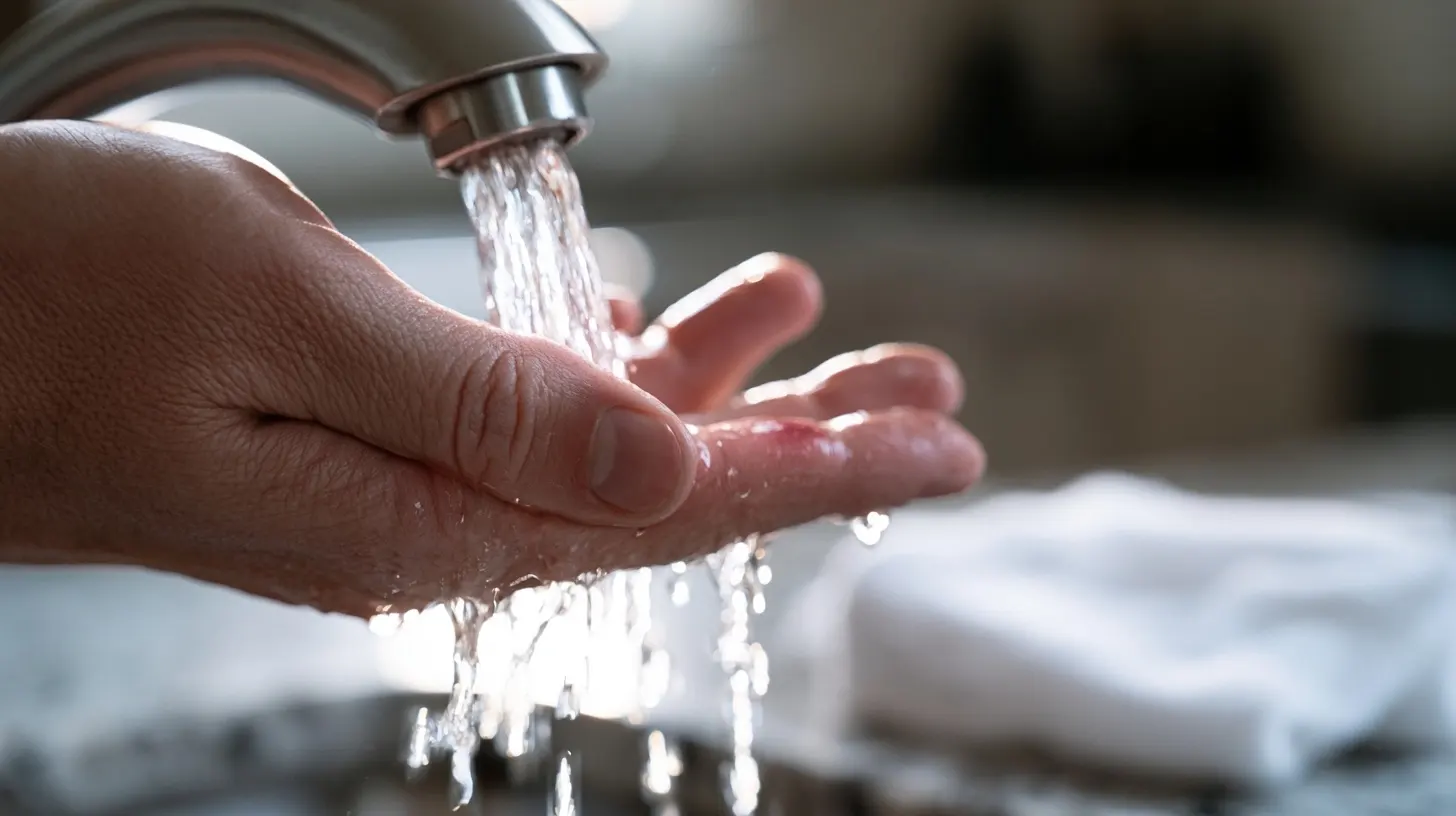
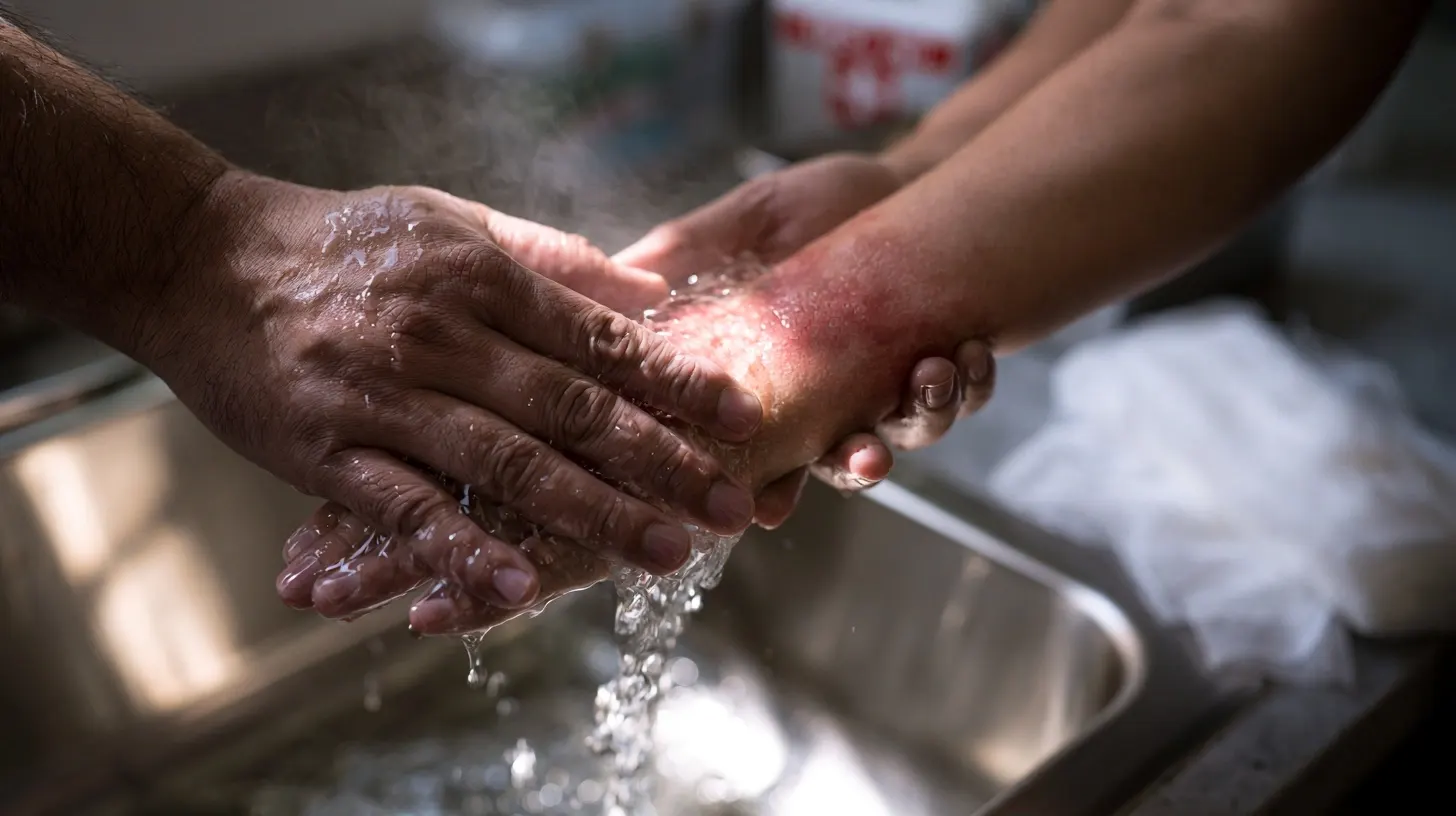
Run cool (not cold) water over the burn for 10–20 minutes. Avoid ice, butter, or toothpaste—these intensify cellular injury.

Advertisement
Method Recommended?
Cool running water (15–20°C) ✅ Yes
Cold compresses ✅ Yes
Ice packs directly on skin ❌ No
Butter or oils ❌ No
Soothing ointments (aloe vera) ✅ Yes

Cold compresses offer a controlled alternative when running water isn’t accessible—apply for 10-minute intervals. Once cooled, soothing ointments like pure aloe vera gel reduce inflammation and support epidermal recovery without occluding the wound.

What to Put on a First-Degree Burn

Topical treatment determines how well the skin heals after cooling. We recommend avoiding common home remedies like butter, toothpaste, or oil-based products—these trap heat, introduce bacteria, and impair healing. Evidence consistently shows these substances worsen outcomes rather than improve them.

Instead, we should apply over-the-counter treatments that support the skin’s recovery. Aloe vera gel remains the most evidence-backed option, reducing inflammation while maintaining moisture balance. A thin layer of petroleum jelly also works effectively, creating a protective barrier without clogging pores or disrupting cellular repair.

If aloe or petroleum jelly aren’t available, a fragrance-free, water-based moisturizer is an acceptable alternative. We should avoid anything containing alcohol, which desiccates healing tissue and delays epithelial regeneration. Choose products with minimal ingredients for the cleanest outcome.

How to Bandage and Protect the Burned Skin

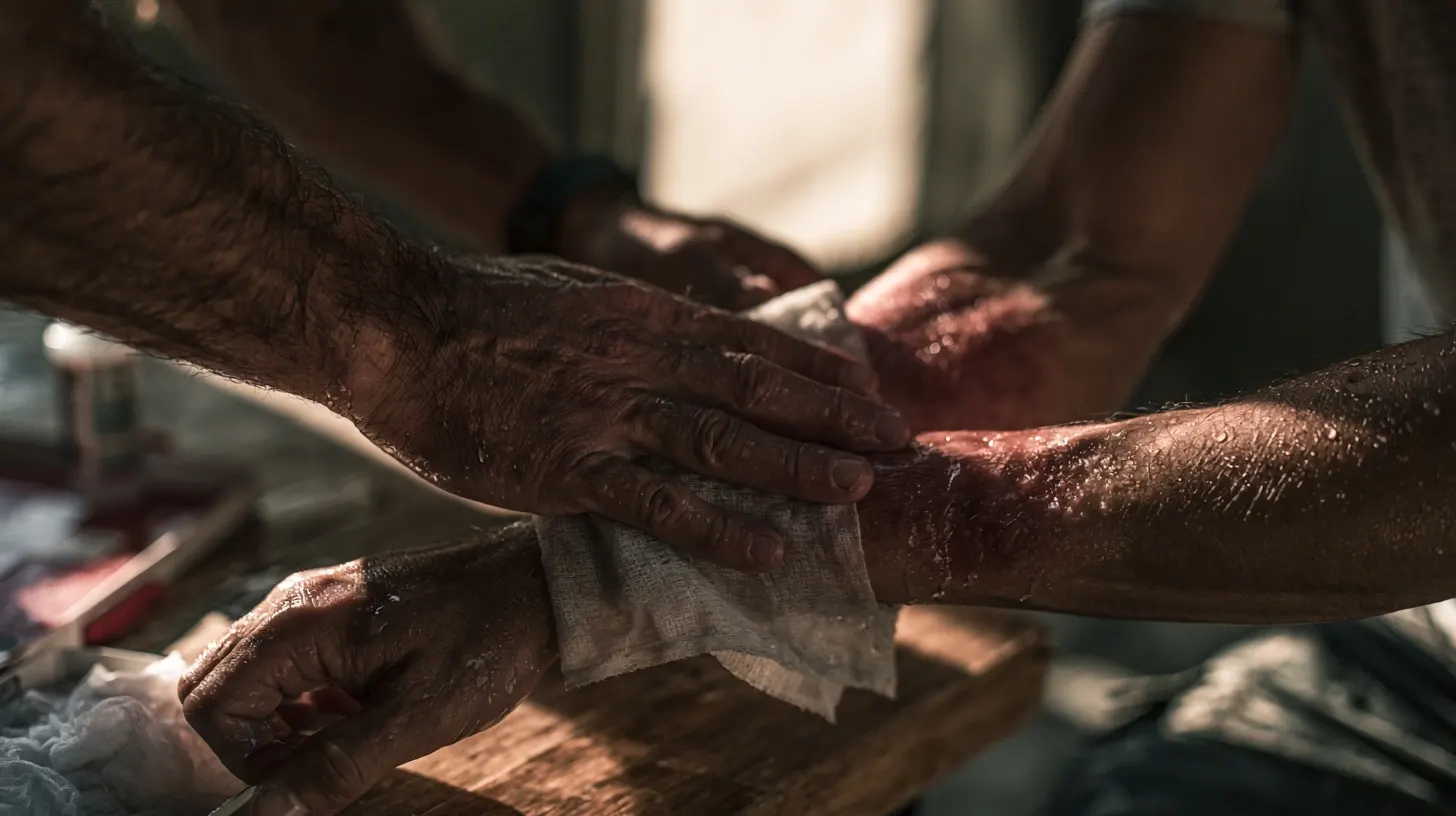
After applying a topical treatment, we’ll want to cover the burn with a non-stick sterile bandage or a clean, lint-free cloth to protect the skin from friction, contamination, and further irritation. Selecting the right burn dressing matters — avoid adhesive materials that adhere directly to the wound, as removing them disrupts fragile new tissue and impairs skin healing. We’ll secure the dressing loosely to allow adequate airflow, which supports cellular regeneration without creating a moisture-deficient environment. Change the dressing daily or whenever it becomes wet or soiled. During each change, inspect the site for signs of infection: increasing redness, swelling, purulent discharge, or warmth extending beyond the burn margins. These findings warrant prompt medical evaluation rather than continued self-treatment.

Advertisement

Warning Signs That Mean You Need a Doctor

Several warning signs indicate that a burn requires professional medical evaluation rather than continued home care. Attempting to manage these situations independently can compromise the healing process and introduce serious complications.

Seek immediate medical attention if you notice:

  • Increased pain, swelling, or redness spreading beyond the original burn site
  • Signs of infection, including pus, foul odor, or fever above 100.4°F (38°C)
  • Burns covering large surface areas or affecting the face, hands, feet, genitals, or major joints
  • Inadequate pain management despite appropriate over-the-counter analgesics

We must also recognize that burns in children, elderly individuals, or immunocompromised patients warrant earlier professional assessment. When doubt exists about burn severity or progression, consulting a healthcare provider remains the safest, most clinically sound decision.


Frequently Asked Questions

How Long Does a First-Degree Burn Typically Take to Fully Heal?

First-degree burn healing time typically spans three to five days. Your skin regeneration process replaces damaged epidermal cells efficiently when you keep the area moisturized, protected from sun exposure, and free from further irritation.

Can Children and Infants Be Treated for Burns the Same Way?

Verily, we shouldn’t treat children’s burns identically to adults’. Pediatric first aid and burn treatment guidelines recommend we avoid ice, limit cooling time, and seek prompt medical evaluation, as infants’ skin differs greatly in sensitivity and healing response.

Are There Any Home Remedies Proven to Speed up Burn Healing?

Two home remedies we’ve found evidence for are aloe vera, which reduces inflammation, and honey benefits wound healing through its antimicrobial properties. Both can effectively accelerate minor first-degree burn recovery when applied topically.

Advertisement

Can Sun Exposure Worsen a Healing First-Degree Burn Over Time?

Sun’s golden touch can compromise your healing process. We recommend diligent sun protection on recovering skin, as UV exposure disrupts cellular repair, causes hyperpigmentation, and greatly delays tissue regeneration in healing first-degree burns.

Is It Safe to Exercise or Sweat With a Healing Burn?

We recommend avoiding intense exercise during early burn care, as sweat impact can irritate healing tissue, delay recovery, and introduce infection risk. Once the burn’s epithelialized, moderate activity’s generally safe.


Conclusion

We’ve covered everything you need to handle a minor first-degree burn with confidence. Think of proper burn care as a ladder—skip a rung, and recovery gets harder. We start by cooling the skin correctly, protect it with appropriate topical agents, and keep it bandaged against contamination. Most importantly, we don’t ignore escalating symptoms. Follow these evidence-based steps consistently, and you’ll support ideal tissue healing while minimizing infection risk.

Advertisement
Continue Reading

Dealing with burns

When Skin Meets Fire: First Aid Steps That Save You

Published

on

When Skin Meets Fire: First Aid Steps That Save You

The instant skin meets fire, we run cool—not cold—water over the burn for 10 to 20 minutes; skip ice, butter, or oils. We assess severity: redness signals first-degree, blisters mean second-degree, charred or leathery skin indicates third-degree. We apply proven ointments, cover with non-stick gauze, and wrap loosely. Third-degree burns, or those affecting the face, hands, or joints, demand emergency care. We’ll walk you through each critical step ahead.

Cool the Burn Down Immediately

Run cool—not cold—water over the burn for 10 to 20 minutes. This is the single most effective immediate response you can execute. We deliberately avoid ice or ice water; extreme cold constricts blood vessels and can deepen tissue damage, compounding the injury rather than mitigating it.

Among burn cooling methods, running water outperforms wet cloths or submersion because it continuously carries heat away from the tissue instead of trapping it. If running water isn’t accessible, we apply a clean, cool—not frozen—compress and change it frequently to maintain steady thermal transfer.

Never apply butter, oil, or ice directly. These substances trap heat, introduce contaminants, or cause additional cellular injury. Cooling first; everything else follows.

Advertisement

Know Your Burn’s Severity Before Treating It

Before we treat any burn, we need to classify it, because the depth of tissue damage dictates every decision that follows. Burn classification breaks down into three degrees. First-degree burns damage only the epidermis—we’ll see redness, mild swelling, no blisters. Second-degree burns extend into the dermis, producing blisters, intense pain, and a wet, glossy appearance. Third-degree burns destroy both layers entirely; we’ll notice charred, white, or leathery skin, often with little pain due to nerve destruction.

Our injury assessment must also account for surface area and location. Burns covering large portions of the body, or affecting the face, hands, joints, or genitals, escalate severity regardless of depth. This classification determines whether we manage the injury ourselves or seek emergency care immediately.

What to Put on a Burn (and What to Avoid)

Once we’ve classified the burn, we’re ready to choose what touches it—and the wrong choice can deepen tissue damage or invite infection. For first- and shallow second-degree burns, we apply thin layers of proven burn ointments—silver sulfadiazine or antibiotic petroleum-based formulas—then cover with non-stick sterile gauze. We avoid popular home remedies that sabotage healing:

  • Butter or oils, which trap heat and promote bacterial growth
  • Toothpaste, which irritates tissue and risks chemical burns
  • Ice, which causes vasoconstriction and worsens cellular damage
  • Egg whites, which introduce salmonella risk to open wounds
  • Cotton balls, which shed fibers into the wound bed

We reserve occlusive dressings for burns we’ve confirmed are superficial, since trapping moisture over deeper wounds accelerates bacterial proliferation and complicates our assessment.

Bandage and Protect the Wound Properly

We wrap the burn loosely, never tightly, since swelling can turn a snug bandage into a tourniquet within hours. Before dressing, we prioritize wound cleaning: gentle irrigation with cool water removes debris without disrupting fragile tissue. We avoid cotton balls or fibrous materials that shed into the wound bed, opting instead for non-adherent gauze that won’t fuse to healing skin.

Dressing techniques matter as much as the dressing itself. We secure edges with paper tape, not directly over the burn, and reassess fit every few hours as swelling progresses.

Advertisement
Dressing Layer Purpose
Non-stick gauze Protects wound bed
Secondary wrap Absorbs drainage
Tape (edges only) Secures without constriction

We change dressings daily, watching for seepage, odor, or increased redness signaling infection.

When a Burn Needs Emergency Care

Good bandaging technique only matters if the burn qualifies for home care in the first place, and some injuries demand immediate medical intervention instead of a dressing kit. We rely on burn classification to make that call, not guesswork. Any third-degree burn, regardless of size, requires emergency care immediately.

Call 911 or get to an ER if we notice:

  • Charred, white, or leathery skin texture
  • Burns covering more than 3% of body surface area
  • Involvement of the face, hands, feet, groin, or major joints
  • Chemical burns or electrical burn mechanisms
  • Signs of shock: rapid pulse, confusion, or pale, clammy skin

We don’t wait to see if symptoms worsen. Delayed treatment increases infection risk and compromises tissue recovery, so we act on these criteria without hesitation.


Frequently Asked Questions

Can Burns Cause Permanent Scarring Even With Proper Treatment?

Yes, we recognize that deeper burn depth increases scarring risk regardless of care quality. We consider scarring factors like genetics, wound infection, and healing time—proper treatment minimizes but doesn’t always eliminate scar formation entirely.

Should You Pop a Burn Blister Yourself?

No, we don’t recommend popping it. Coincidentally, intact blisters serve as nature’s own dressing. Proper burn care means leaving blisters alone; skilled blister management prevents infection, preserves the skin barrier, and accelerates healing outcomes.

Advertisement

How Long Does a Minor Burn Take to Heal?

Most first-degree burns heal within 3-6 days; superficial second-degree burns typically take 2-3 weeks. We recommend tracking your burn healing timeline closely—proper minor burn care, including cleanliness and moisture balance, greatly accelerates tissue regeneration and minimizes scarring risk.

Is It Safe to Shower Normally With a Healing Burn?

Yes, but we recommend modifying your routine. Keep shower temperature lukewarm—never hot—and avoid direct water pressure on the wound. Use gentle cleaning techniques: pat, don’t scrub, and skip soaps or scented products until healing progresses further.

Do Burns Increase the Risk of Infection Long-Term?

Yes—we recognize burn infection risk persists until re-epithelialization completes. Deeper burns compromise barrier function longer, inviting bacterial colonization. We monitor for delayed healing, hypertrophic scarring, and contracture, since untreated infection amplifies these long term effects considerably.


Conclusion

We’ve all heard the myth that butter or ice belongs on a burn. It doesn’t. Cool water, clean coverage, and honest severity assessment—that’s the formula that actually works. We can’t undo the burn, but we can control what happens next. When we act fast and correctly, we’re not just easing pain; we’re preventing infection and scarring. That’s the real first aid truth worth trusting.

Advertisement
Continue Reading

Dealing with burns

Skin Burn Emergencies? Here’s Your First Aid Game Plan

Published

on

Skin Burn Emergencies? Here's Your First Aid Game Plan

First, we assess: redness signals first-degree, blisters mean second-degree, and white or charred skin indicates third-degree. We cool the burn under running water for 10-20 minutes—never ice—then clean it gently and cover it with loose, sterile gauze. We manage pain with elevation and OTC analgesics, watching closely for infection or worsening symptoms. Chemical burns, electrical burns, and high-risk locations bypass DIY entirely. Stick with us, and we’ll walk you through each critical step.

Figure Out How Bad the Burn Really Is

How do we determine when a burn is serious? We start with burn classification. First-degree burns redden skin without blistering—think mild sunburn. Second-degree burns blister and involve deeper tissue damage, causing intense pain and swelling. Third-degree burns destroy all skin layers, often appearing white, leathery, or charred, and may numb the area due to nerve damage.

We assess severity indicators beyond depth alone. Size matters: burns covering more than 3 inches demand professional evaluation. Location matters too—face, hands, feet, groin, and major joints carry higher risk. We check for signs of infection, shock, or difficulty breathing if smoke inhalation’s involved.

We never guess. We classify precisely, then act according to what that classification demands.

Advertisement

Cool the Burn the Right Way (Skip the Ice)

Water does the work here, not ice. We run cool—not cold—tap water over the burn for 10 to 20 minutes, prioritizing this window above all other burn cooling methods. Ice damages tissue further by constricting blood vessels and deepening injury; we never use it, and we skip ice packs entirely.

We submerge the area or apply a clean, wet compress if submersion isn’t practical. Timing matters: we start cooling immediately, before evaluating severity further, since delayed action increases tissue damage. Among effective home remedies, plain water remains unmatched—we avoid butter, oil, or toothpaste, which trap heat and invite infection.

Once cooling’s complete, we pat the area dry gently and move straight to covering it, never rubbing or applying pressure to compromised skin.

Clean and Cover the Wound Properly

With cooling finished, we shift focus to keeping the wound clean and shielded from contamination. Wound cleaning starts with gently rinsing the area using lukewarm water—never scrub, and never apply soap directly to broken skin. We pat the area dry with a clean, lint-free cloth, avoiding any friction that could disrupt healing tissue.

Next, we address proper dressing. We select a sterile, non-stick gauze pad and secure it loosely with medical tape, ensuring the burn isn’t compressed. Tight wrapping restricts circulation and invites complications. For blistered or open burns, we opt for a non-adherent dressing to prevent tearing tissue during future changes.

Advertisement

We replace dressings daily, or sooner if they become wet or soiled, maintaining a consistently clean barrier against infection.

Ease the Pain Without Making It Worse

Pain management comes next, and we approach it methodically rather than reaching for the first remedy at hand. We skip the myths—no butter, no toothpaste, no ice applied directly to skin. These natural remedies cause more tissue damage and complicate healing rather than easing discomfort.

For genuine pain relief, we rely on methods with proven safety:

  • Cool (not cold) running water for 10-20 minutes
  • Over-the-counter analgesics like ibuprofen or acetaminophen
  • Loose, breathable clothing over the wound to prevent friction
  • Elevation of the burned area to reduce swelling and throbbing

We monitor pain levels closely. Escalating or unrelieved pain signals we’re dealing with something beyond basic care, and we treat that signal as our cue to seek professional evaluation.

When to Stop DIY and Call a Doctor

Most burns heal fine with home care, but certain warning signs demand we abandon self-treatment immediately. We need to identify symptoms that signal escalation: blistering larger than two inches, charring, or leathery white patches. Burns circling a limb, or covering the face, hands, groin, or joints, require professional evaluation regardless of size.

We seek professional care if pain intensifies after 48 hours instead of easing, or if we spot pus, spreading redness, or fever—clear signs of infection. Chemical and electrical burns bypass DIY protocols entirely; we call for help right away. Any burn impairing movement, sensation, or circulation needs immediate assessment.

Advertisement

When in doubt, we treat it as serious. Underestimating a burn costs far more than a precautionary visit.


Frequently Asked Questions

Can Burn Scars Be Prevented After the Wound Heals?

We can’t guarantee zero scarring, but disciplined scar prevention minimizes it: keep the wound moist, apply silicone sheeting once closed, avoid sun exposure, and start scar treatment early—consistency during remodeling determines your final cosmetic outcome.

Is It Safe to Pop a Burn Blister Myself?

No, we don’t recommend it. Studies show intact blisters heal 40% faster with lower infection risks. Proper blister care means leaving skin intact, applying sterile dressings, and letting nature’s protective barrier do its job.

Should I Remove Clothing Stuck to a Burn?

No, don’t force it. Proper burn care demands you leave adhered fabric intact—forcibly tearing it worsens tissue damage. Instead, we recommend cutting around stuck fabric during clothing removal, then covering the area and seeking professional treatment immediately.

Can I Use Toothpaste or Butter on Burns?

No—we never use toothpaste or butter. Picture grease trapping heat like a lid on a boiling pot: toothpaste myths and butter facts both increase infection risk and worsen tissue damage. We flush with cool water instead.

Advertisement

How Long Does a Minor Burn Take to Heal?

We typically see minor burns heal within 7-10 days when we follow proper healing stages: inflammation, tissue rebuilding, then maturation. We’ll monitor burn pain closely—if it worsens or persists beyond that window, we seek medical evaluation immediately.


Conclusion

We understand burns feel urgent, but panic isn’t a protocol—preparation is. We cool, we clean, we cover, and we watch. That’s the whole game plan: small, deliberate actions instead of frantic guesswork. A minor burn responds to calm, methodical care; a serious one demands we stop the DIY approach and call for help. We don’t gamble with tissue damage. We assess, we act, and we understand exactly when to hand it off.

Continue Reading

Trending