Everyday first aid feels intimidating until we realize most emergencies only need calm, basic actions taken quickly. We don’t need to be medical professionals to help someone who’s choking, bleeding, or burned. Fear fades when we replace it with simple, practiced knowledge. Learning a few core skills builds the kind of confidence that actually saves lives, and there’s a lot more we can do than we think.
Why First Aid Feels Scary (And Why It Doesn’t Have To)
Many of us freeze at the thought of giving first aid—not because we’re heartless, but because we’re afraid of doing something wrong. That fear is understandable, but it’s also largely unfounded. Most first aid situations don’t require surgical precision or medical training. They require calm, basic action taken quickly.
The real danger isn’t imperfect technique—it’s hesitation. Bystander inaction consistently worsens outcomes in emergencies. When we comprehend what we’re actually being asked to do—apply pressure, clear an airway, call for help—the task becomes far less overwhelming.
First aid intimidates us because we’ve mythologized it. We imagine high-stakes drama when most situations simply need someone willing to step forward. Knowledge replaces fear. Once we learn the fundamentals, confidence follows naturally.
Simple First Aid Skills Anyone Can Learn Today
Once we strip away the fear, what remains is surprisingly manageable. A handful of core skills covers most everyday emergencies, and you can learn them faster than you’d expect.
Start with these essentials:
Wound care — Clean the area, apply pressure to stop bleeding, and cover it properly.
Choking response — Back blows combined with abdominal thrusts clear most obstructions quickly.
Burns — Cool running water for ten minutes. Nothing else initially.
Recognizing shock — Pale skin, rapid breathing, confusion. Lay the person down and keep them warm.
CPR basics — Hard, fast chest compressions at 100–120 per minute sustain circulation until help arrives.
None of these require medical training to perform competently. They require only awareness, practice, and the willingness to act when it matters.
How to Practice First Aid in Your Everyday Routine
Knowing five techniques means nothing if we never rehearse them. Repetition builds muscle memory, so we should weave practice into daily life rather than treating it as a separate event.
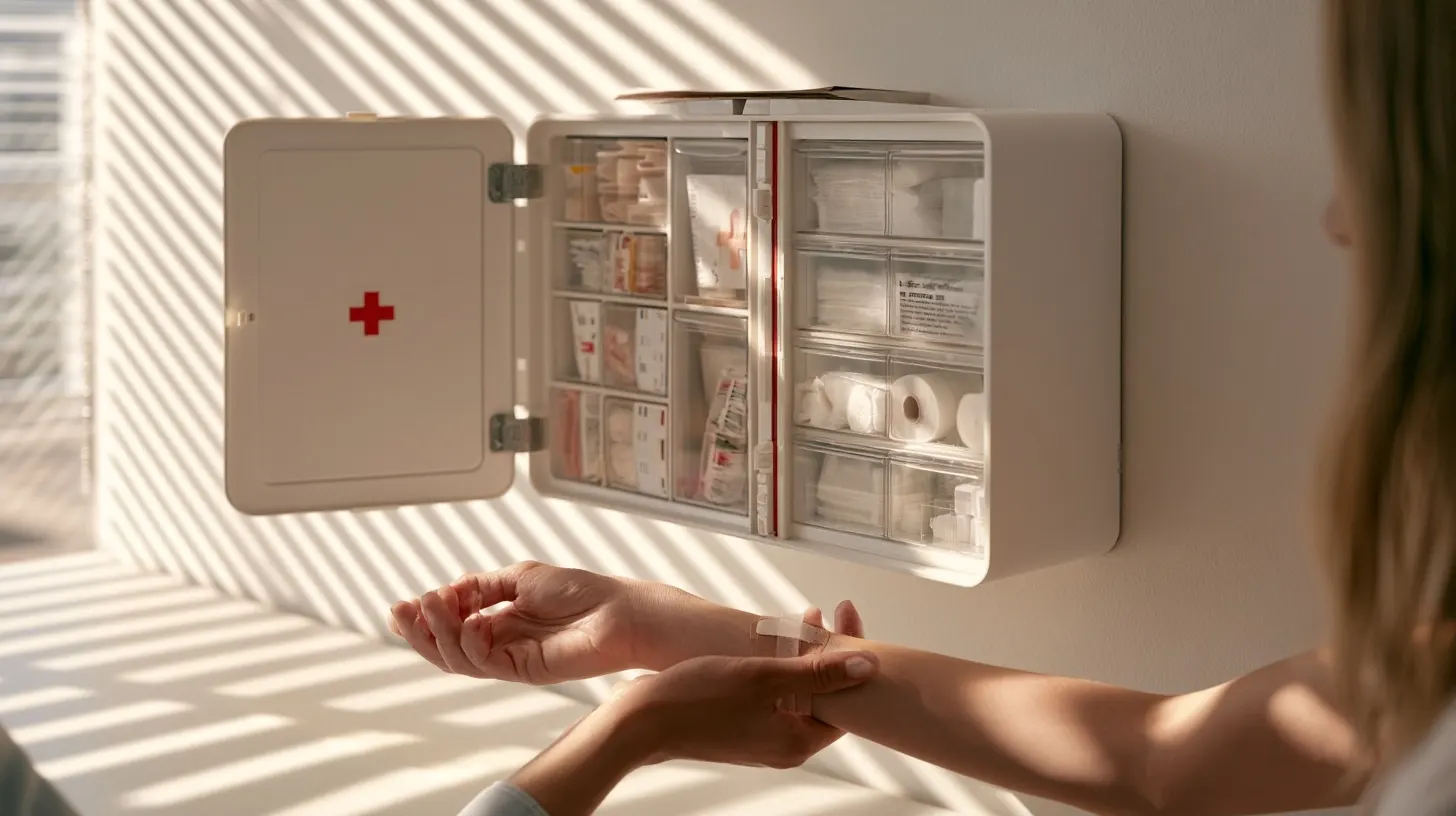
Start small: review one technique each week, run through the steps mentally during your commute, or narrate the process aloud while doing chores. Keep a first aid kit visible rather than buried under a cabinet—proximity encourages familiarity.
Practice hands-only CPR compressions on a firm cushion monthly. Re-read wound-care steps before restocking supplies. Quiz a household member the way you’d review a professional skill.
Mastery isn’t achieved in a single certification class; it’s reinforced through deliberate, consistent repetition. When we normalize these habits, responding confidently in a real emergency becomes far less challenging.
What to Do in the Most Common Everyday Emergencies
Emergencies don’t announce themselves, but most fall into a handful of recognizable categories. For cuts and bleeding, we apply direct pressure with a clean cloth and elevate the wound. For burns, we cool the area under running water for ten minutes—never ice. For choking, we deliver five back blows followed by five abdominal thrusts. For suspected fractures, we immobilize the injury without attempting realignment. For fainting, we position the person on their back and elevate their legs. For allergic reactions, we use an epinephrine auto-injector if available and call emergency services immediately. Knowing these protocols means we’re not improvising under pressure—we’re executing practiced responses. Each scenario demands calm assessment first, then deliberate action. Mastery here is less about memorization and more about confident, repeatable decision-making.
When to Step Back and Call for Professional Help
First aid has limits, and recognizing them is just as essential as knowing what to do. Certain situations demand professional intervention immediately — no hesitation, no improvisation. Call 911 when someone loses consciousness, experiences chest pain, shows stroke symptoms, has a severe allergic reaction, or sustains a deep wound that won’t stop bleeding.
We don’t second-guess these moments. Delayed professional care turns manageable emergencies into life-threatening ones.
Beyond obvious crises, watch for subtler escalation signs: confusion worsening after a head injury, breathing that’s labored despite positioning, or a burn covering a large surface area. Our role shifts from caregiver to informed bystander — communicating indispensable details clearly to responders when they arrive. Knowing when to step back isn’t failure; it’s the smartest move we can make.
Frequently Asked Questions
What First Aid Supplies Should Every Household Keep Readily Available?
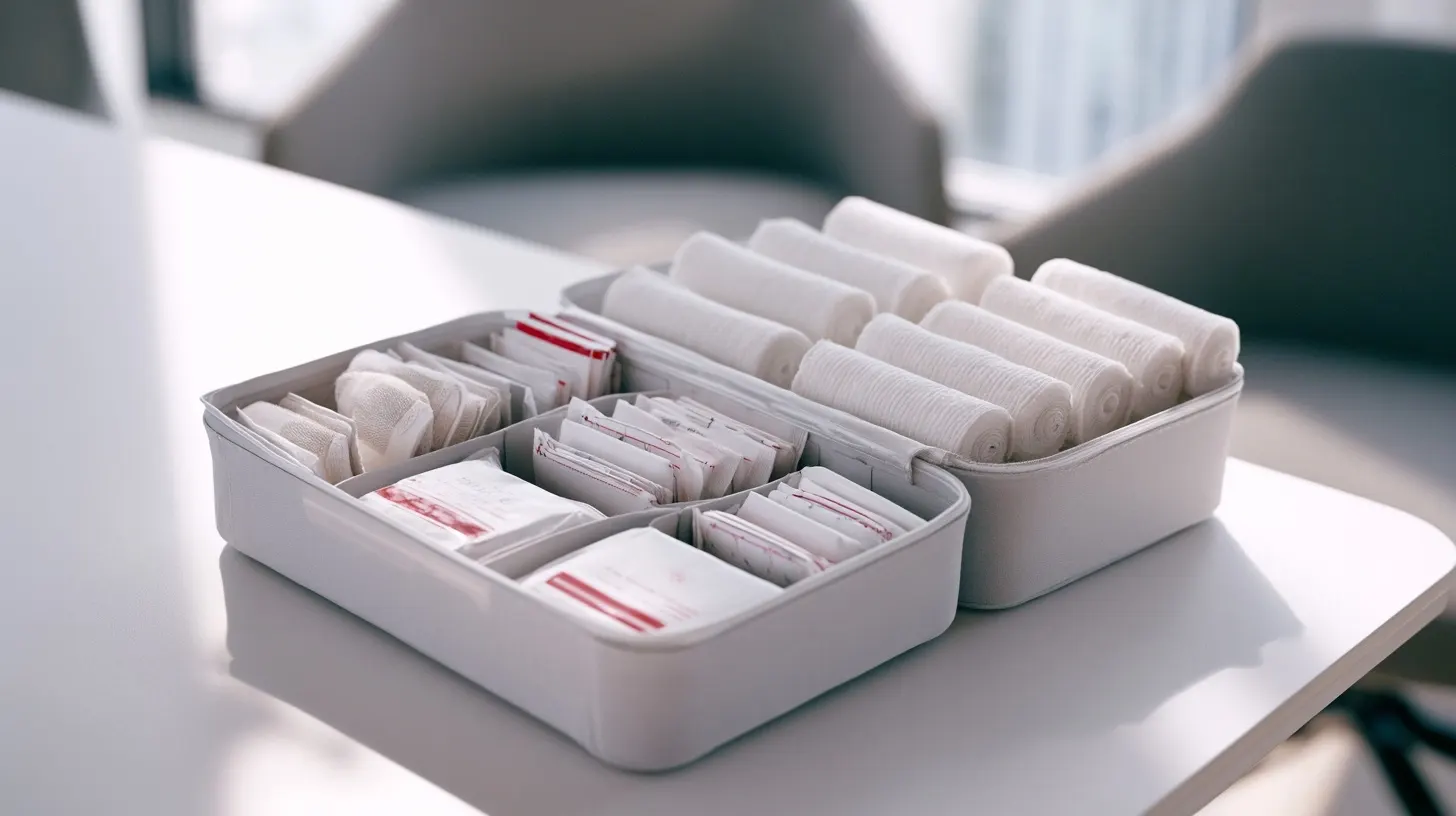
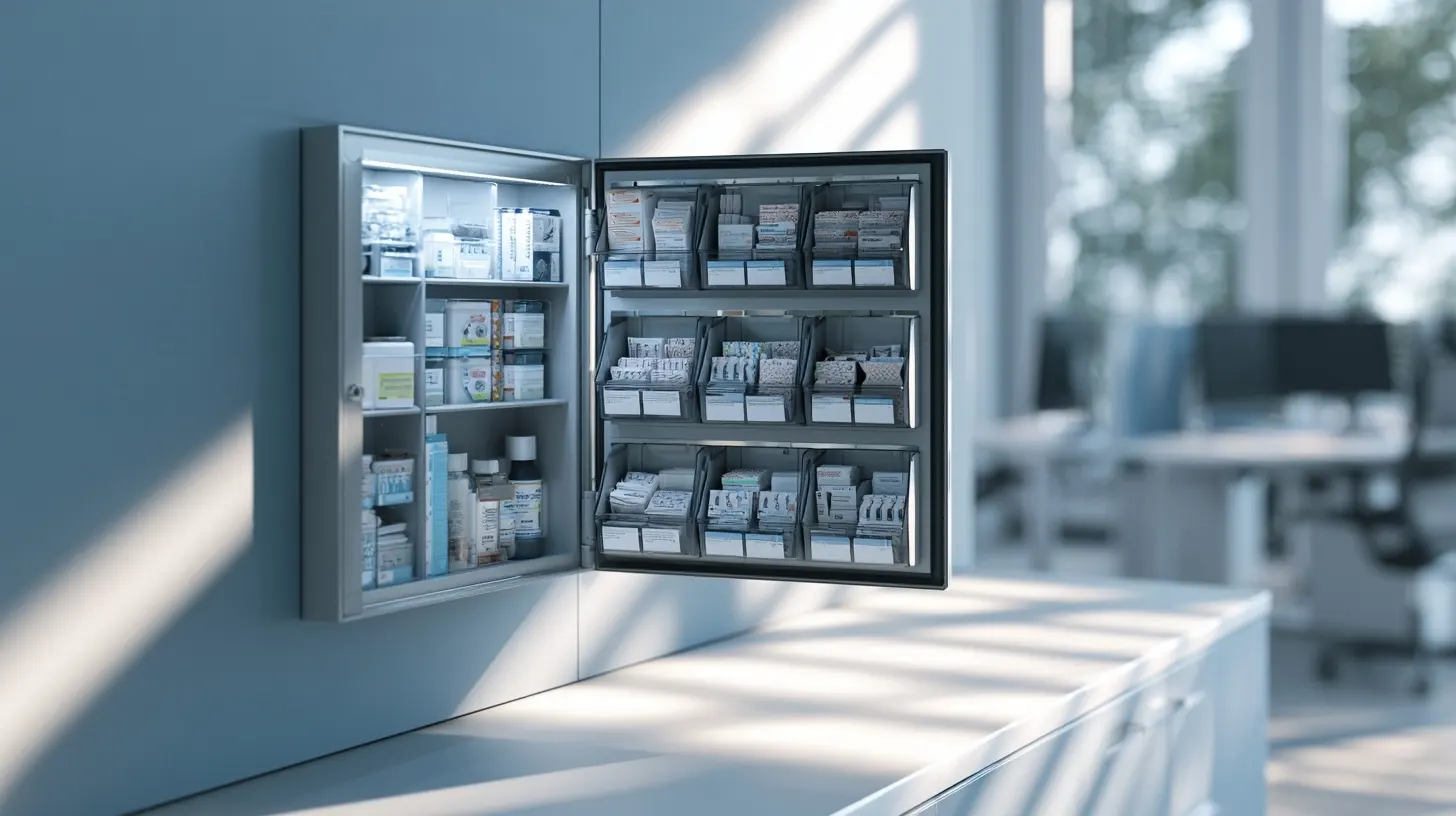
We recommend keeping adhesive bandages, gauze, antiseptic wipes, medical tape, tweezers, scissors, a digital thermometer, CPR mask, emergency blanket, and over-the-counter pain relievers stocked and accessible so we’re always prepared.
Are There Free First Aid Courses Available Online or in Communities?
Yes, we can access free first aid courses through the Red Cross, local fire stations, and community centers. We’ll find online options via Coursera, YouTube, and FEMA’s website—empowering us to act, respond, and save lives confidently.
Can Children Be Taught Basic First Aid Skills at Home?
Yes, we can absolutely teach children basic first aid at home! We’ll start with age-appropriate skills like calling 911, applying pressure to wounds, and recognizing emergencies—building their confidence and competence over time.
How Often Should First Aid Kits Be Inspected and Restocked?
We inspect our kits every six months, yet life moves faster than schedules. Check expiration dates, replace used supplies, and reassess your needs seasonally—ensuring we’re never caught unprepared when seconds matter most.
Does Homeowner’s Insurance Ever Cover First Aid Training Costs?
Standard homeowner’s insurance rarely covers first aid training costs, but we’d encourage you to check your policy’s wellness or liability riders—some insurers do offer discounts or reimbursements for certified safety training completion.
Conclusion
We’ve covered a lot of ground together, and here’s the truth: you don’t have to know everything to make a difference. As the old saying goes, a little knowledge goes a long way. Start small, practice often, and build your confidence one skill at a time. Preparedness isn’t about being perfect — it’s about showing up ready. The steps we’ve shared today can genuinely help you protect the people you love most.








 First aid3 years ago
 CPR techniques3 years ago
 First aid3 years ago
 Choking hazards3 years ago
 First aid3 years ago