CPR techniques
Choking Hazards: What To Do When Someone Can’t Breathe
Published
3 years agoon
By
Jay
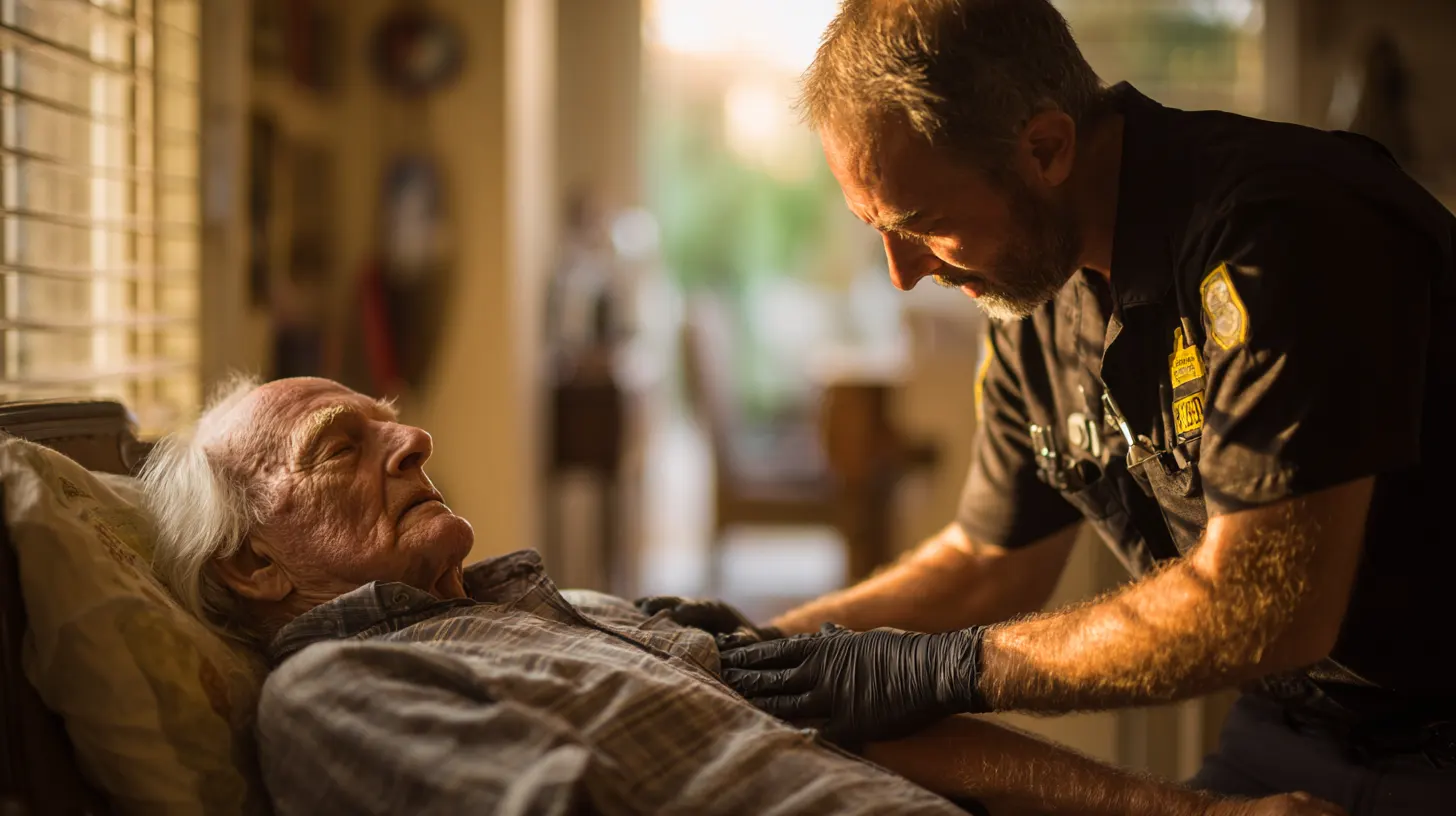
Choking hazards can happen to anyone, at any time. Whether it’s a small child who has swallowed a toy or an adult who is eating too quickly, choking can be a life-threatening situation.
It’s important to know what to do when someone can’t breathe in order to prevent serious harm.
As a medical professional, it’s my duty to educate the public on how to handle choking hazards. Knowing the signs and symptoms of choking and being able to act quickly can mean the difference between life and death.
In this article, we’ll discuss the most common causes of choking, how to recognize when someone is in distress, and what steps you should take to help them breathe again.
By being informed and prepared, you can help ensure the safety of yourself and those around you in potentially dangerous situations.
Common Causes Of Choking
Choking is a common emergency situation that can happen to anyone. It occurs when a foreign object, usually food or a small toy, gets stuck in the throat or windpipe and blocks airflow. This can lead to difficulty breathing, coughing, and even death if not treated immediately.
The causes of choking can vary, but some common culprits include eating too quickly without properly chewing food, swallowing large pieces of food or objects, and drinking alcohol before eating.
Additionally, young children are especially prone to choking due to their tendency to explore objects with their mouths. It’s important to be aware of these common causes and take preventative measures such as cutting up food into small pieces, supervising children during meal times, and avoiding drinking alcohol while eating.
Signs And Symptoms Of Choking
Recognizing the signs and symptoms of choking is crucial in saving someone’s life. It is important to know what to look for and how to respond quickly to avoid any serious harm. Choking can happen suddenly, so it is essential to stay alert and be aware of the following signs:
- The first symptom of choking is difficulty breathing or wheezing.
- The person may also begin coughing or gagging as they try to clear their airway.
- As the situation worsens, the person may start clutching their throat or chest, indicating that they cannot breathe properly.
- If left untreated, choking can lead to unconsciousness or even death.
It is important not to panic when you recognize these symptoms. Instead, take immediate action by calling for help and performing the Heimlich maneuver if necessary. By staying calm and responding quickly, you could potentially save someone’s life. Remember that time is of the essence, so always be prepared and ready to act in case of an emergency.
First Aid Techniques For Choking
Now that we have discussed the signs and symptoms of choking, it’s time to move on to first aid techniques.
The most important thing to remember is to act quickly and calmly. If someone is choking, they may be unable to speak or breathe properly, so it’s important to stay calm and assess the situation.
If the person is coughing or gagging, encourage them to keep coughing as this means there is still air movement and they are attempting to clear their airway. However, if they cannot make a sound or are turning blue, it’s time for action.
Begin by standing behind the person and giving five back blows between their shoulder blades using the heel of your hand. If this doesn’t work, move on to five abdominal thrusts (also known as the Heimlich maneuver) by standing behind them with your arms around their waist and making a fist with one hand while placing it just above their belly button with your other hand.
Prevention Of Choking Hazards
Preventing choking hazards is essential for individuals of all ages, especially children and the elderly. To avoid such incidents, it is important to be vigilant and take necessary precautions.
One effective way to prevent choking is by ensuring that food is cut into small pieces before consumption. This applies particularly to hard foods such as nuts, candies, and popcorn. Moreover, parents should ensure that their children are seated while eating and supervise them as they eat.
Another way to prevent choking incidents is by avoiding giving young children toys that are too small or have detachable parts. It is also essential to keep small items out of their reach.
When it comes to the elderly, caregivers should ensure that they take smaller bites and chew thoroughly before swallowing. Additionally, those who wear dentures should ensure that they fit properly to avoid any food particles getting stuck in their mouths.
By taking these preventive measures seriously, we can significantly reduce the occurrence of choking hazards among individuals of all ages. It is important to remember that prevention is always better than cure when it comes to our health and safety.
Being mindful of these simple yet practical tips can go a long way towards keeping ourselves and our loved ones safe from choking hazards.
When To Seek Medical Attention For Choking
As mentioned in the previous section, preventing choking hazards is crucial to avoid any potential harm. However, accidents can still happen despite our best efforts.
When someone is choking, it’s essential to act fast and provide immediate assistance. If someone is unable to breathe, it’s crucial to assess the situation quickly.
If they are coughing or making noise, encourage them to keep coughing until they can breathe normally. If the person cannot cough or speak and seems panicked or distressed, then perform the Heimlich maneuver immediately.
This technique involves standing behind the person and giving a firm upward thrust on their abdomen just below their ribcage. The goal is to create enough pressure to dislodge whatever is blocking their airway.
In some cases, even after performing the Heimlich maneuver, the object may still be lodged in their throat. In such situations, it’s crucial to seek medical attention immediately as further intervention may be required.
Remember that time is of the essence when someone is choking as lack of oxygen can cause brain damage within minutes. Therefore, it’s always better to err on the side of caution and seek professional help if you’re unsure about what to do next.
Frequently Asked Questions
Is Choking More Common In Children Or Adults?
Choking is a prevalent medical emergency that can affect both children and adults.
However, studies show that choking incidents are more common in young children than in adults.
The reason behind this is that children have a tendency to put small objects in their mouths, which can get stuck in their airways.
On the other hand, adults are more likely to choke on food or drink due to eating too quickly or not properly chewing their food.
Regardless of age, choking can be life-threatening and requires immediate attention.
Therefore, it is important to know the proper steps to take when someone is choking.
Can Coughing During Choking Help To Dislodge The Object?
Coughing during choking is a common reaction to the inability to breathe. However, it is not always effective in dislodging the obstructing object. In fact, coughing forcefully may cause the object to become more firmly lodged in the airway.
The best course of action when someone is choking is to encourage them to try and cough up the obstruction while quickly calling for emergency medical services. If coughing does not resolve the issue, immediate medical attention is needed as time is of the essence in these situations.
Knowing how to properly respond to a choking incident can be life-saving, and it’s important to stay calm and take quick action in such situations.
What Types Of Foods Are Most Likely To Cause Choking?
Certain types of foods are more likely to cause choking than others. In fact, according to medical experts, some of the most common culprits include hot dogs, grapes, nuts, and hard candy. These items can easily get lodged in a person’s throat and prevent them from breathing properly.
As such, it is crucial to be aware of the potential dangers associated with consuming these foods and take appropriate precautions. For example, parents should cut food into small pieces for young children and avoid giving them certain items altogether. Similarly, adults should be mindful when eating and chew their food thoroughly before swallowing.
By taking these steps, individuals can reduce their risk of choking and stay safe while enjoying their favorite meals.
Can Drinking Water Or Other Liquids Help To Relieve A Choking Episode?
Drinking water or other liquids is a common response when someone is choking, but can it actually help relieve the situation?
Unfortunately, the answer is no.
In fact, drinking liquids while choking can actually make the situation worse by pushing the object further down the airway.
It’s important to note that if someone is truly unable to breathe due to a choking episode, immediate action must be taken.
This may include performing the Heimlich maneuver or calling for emergency medical assistance.
It’s always better to err on the side of caution and seek professional help rather than risking further harm.
How Long Can A Person Go Without Breathing Before Brain Damage Occurs?
When the air supply is cut off, the brain can only survive for a short period of time.
After just a few minutes without oxygen, brain cells start to die, and after five minutes or so, permanent damage can occur.
In severe cases, individuals who have been deprived of oxygen for more than ten minutes may experience irreparable harm to their cognitive abilities and other vital functions.
It’s critical to seek emergency medical attention as soon as possible if someone is unable to breathe on their own.
Conclusion
Choking is a serious and potentially life-threatening emergency that can happen to people of all ages. While it may be more common in young children, adults are not immune to choking incidents.
It is important to know what to do when someone can’t breathe, as prompt action can make the difference between life and death.
If someone is choking, encourage them to cough first as this may dislodge the object causing the blockage. If coughing does not work or they are unable to cough, call for emergency medical assistance immediately. Avoid giving them water or other liquids as this may cause the object to move further down their airway and cause more harm. Stay calm and reassure the person that help is on its way while waiting for medical professionals to arrive.
Remember, prevention is always better than cure. Be mindful of the types of foods you eat, especially if you have dentures or difficulty swallowing. Cut food into small pieces and chew slowly and thoroughly before swallowing.
Taking a CPR course may also be helpful in case of emergencies like choking incidents. By being prepared and informed, we can minimize the risks of choking accidents and keep ourselves and our loved ones safe from harm.
You may like
CPR techniques
The Crucial Minutes Every Stroke Victim Needs First Aid Most
Published
7 months agoon
January 26, 2026
We’ve got roughly four and a half hours to reverse stroke damage, and every minute matters critically. You’ll want to call 911 immediately—not your primary care physician or urgent care—because paramedics transmit real-time data enabling stroke teams to prepare thrombolytic therapy. They’ll document the exact symptom onset time, which determines treatment eligibility. Don’t drive yourself; it’ll substantially compromise outcomes. Keeping the victim calm, positioned on their side, and minimizing environmental stimuli helps prevent complications while help arrives. Understanding what happens next reveals why this golden window transforms everything.
Recognize the Warning Signs: The F.A.S.T. Test That Saves Lives
When we encounter someone showing signs of stroke, we’ve got minutes to act. We use the F.A.S.T. test to identify critical stroke symptoms rapidly. Face drooping indicates facial asymmetry. Arm weakness shows unilateral motor deficits. Speech difficulty reveals dysarthria or aphasia. Time is vital—we note symptom onset precisely.
We must assess medical history quickly, as it informs treatment decisions. Previous strokes, hypertension, atrial fibrillation, and diabetes substantially impact stroke classification and intervention protocols. We gather this information while calling emergency services, ensuring paramedics receive detailed data upon arrival.
We recognize that every minute without blood flow causes irreversible neuronal damage—approximately 1.9 million neurons die hourly during untreated stroke. Our swift recognition and accurate F.A.S.T. assessment directly correlate with better patient outcomes and eligibility for thrombolytic therapy. We act decisively, knowing these moments determine survival and recovery potential.
Call Emergency Services Immediately: Don’t Wait or Drive Yourself
Once we’ve identified stroke symptoms using the F.A.S.T. test, we must call 911 without delay—not our primary care physician, not urgent care, and certainly not drive ourselves to the hospital. Emergency Response protocols exist because paramedics initiate critical interventions during transport, including oxygen administration and neurological assessment. We’re establishing Medical Priorities by mobilizing advanced life support before hospital arrival. Paramedics transmit real-time data to receiving facilities, enabling stroke teams to prepare thrombolytic therapy or thrombectomy procedures. Driving ourselves compromises outcomes substantially; we’re impaired by stroke effects and forfeit golden-window treatments. The average ambulance response time versus self-transport introduces dangerous delays. Every minute matters—brain tissue dies at approximately 1.9 million neurons per minute during acute ischemic stroke. We’re maximizing survival rates and minimizing disability by prioritizing emergency dispatch immediately.
Keep the Victim Calm and Comfortable While Help Arrives
After we’ve summoned emergency services, our role shifts from rapid decision-making to stabilization—managing the victim’s immediate physical and psychological state while paramedics en route. Our calm techniques directly influence neurological outcomes; agitation elevates blood pressure, potentially worsening hemorrhagic stroke progression. We’ll speak in measured tones, providing reassurance without making medical promises. Comfort measures include positioning the victim on their side to maintain airway patency, preventing aspiration. We’ll loosen restrictive clothing and maintain ambient temperature. Minimize environmental stimuli—dim lights, reduce noise. Don’t offer food or fluids; stroke impairs swallowing reflexes. Monitor consciousness and breathing continuously. Document symptom onset time precisely; this information determines thrombolytic eligibility. We’ll remain present, vigilant, and composed, recognizing that our steadiness facilitates the victim’s neurological preservation during these critical minutes.
Document the Exact Time Symptoms Started for Medical Teams
Because thrombolytic medications like alteplase work within a narrow therapeutic window—typically three to four and a half hours from symptom onset—we must pinpoint the exact moment the victim first exhibited stroke symptoms. Precise time management is critical; every minute affects treatment eligibility and outcomes.
We’ll implement systematic symptom logging by documenting the initial presentation time, noting specific deficits observed, and recording progression patterns. When emergency responders arrive, we’ll communicate this timeline clearly, enabling them to calculate the therapeutic window accurately.
Ask witnesses about the last known normal time—when the victim was definitely functioning without deficits. If symptom onset occurred during sleep, we’ll use the time they were last observed normal. This information directly influences whether thrombolytic or thrombectomy interventions remain viable treatment options.
What Happens After Arrival: Why the Golden Window Determines Treatment Options
When emergency teams receive stroke patients, they’ll immediately initiate CT or MRI imaging to differentiate between ischemic and hemorrhagic stroke—a distinction that’s fundamental because it determines whether thrombolytic therapy is safe or contraindicated. This hospital protocol represents the critical juncture where medical treatment decisions diverge. For ischemic strokes within the 4.5-hour window, we administer tissue plasminogen activator (tPA) to dissolve clots. Beyond this timeframe, mechanical thrombectomy becomes the preferred intervention for large vessel occlusions. Hemorrhagic cases contraindicate thrombolytics entirely; treatment focuses on hemostasis and intracranial pressure management. We’re working against neuronal death—every minute without reperfusion costs approximately 1.9 million neurons. Hospital protocol demands rapid imaging interpretation and immediate intervention decisions to maximize neurological recovery and minimize permanent disability.
Conclusion
We’ve established that stroke response hinges on recognizing F.A.S.T. indicators and immediately activating emergency services. You can’t overstate the critical importance of documenting symptom onset—it directly determines thrombolytic eligibility within the 4.5-hour treatment window. By staying calm and keeping the victim comfortable, you’re optimizing their neurological outcomes. Remember: every minute counts in stroke management. Your swift, informed action substantially reduces disability and mortality rates.
CPR techniques
What Everyone Gets Wrong About Poisoning First Aid
Published
8 months agoon
December 24, 2025
We’re making critical mistakes with poisoning first aid that can worsen outcomes. We shouldn’t induce vomiting—it causes chemical burns and aspiration. Giving food or drinks risks harmful interactions and dehydration. Delaying medical help lets toxicity progress silently; some poisons cause fatal damage without initial symptoms. We can’t assume small amounts are safe; toxicological assessment requires professionals. Incorrect rinsing methods transform manageable exposures into emergencies. Understanding what actually works reveals why immediate poison control contact is essential.
Myth 1: Inducing Vomiting
A dangerous misconception persists that we should induce vomiting when someone’s been poisoned. We now know this approach causes more harm than good. Current evidence—though limited in certainty—demonstrates that vomiting risks outweigh potential benefits. When we induce vomiting, we expose the esophagus and throat to poison a second time, risking chemical burns and aspiration pneumonia. Corrosive substances like battery acid prove especially damaging on regurgitation.
We’ve moved away from syrup of ipecac as standard first aid. Instead, we prioritize contacting poison control immediately—call 800-222-1222 in the US. Poison control specialists determine whether activated charcoal or hospital treatment is appropriate for the specific toxin involved. Our role is gathering the poison container and securing the airway, never inducing vomiting.
Myth 2: Giving Food and Drinks
Another pervasive misconception suggests that food or drinks can neutralize poisons and aid recovery. We must reject this dangerous assumption. Poison control explicitly prohibits giving food or drinks unless specifically directed, as ingestion risks aspiration and harmful substance interactions within the stomach.
Poisoning encompasses chemical exposure, medication overdose, and foodborne illness—each requiring distinct treatment protocols. Vomiting and diarrhea already deplete fluids and electrolytes; additional consumption accelerates severe dehydration, particularly in vulnerable populations including infants, young children, elderly individuals, and immunocompromised persons.
We emphasize contacting poison prevention specialists immediately via WebPOISONCONTROL or 1-800-222-1222. Only after professional assessment should rehydration occur—using electrolyte solutions in small sips once acute symptoms subside. This evidence-based approach to food safety during poisoning incidents guarantees the best outcomes and prevents iatrogenic harm.
Myth 3: Delaying Medical Help
While withholding food and drinks prevents further harm, we must address an equally dangerous practice: postponing medical evaluation after poison exposure. Delayed intervention substantially reduces treatment efficacy and increases mortality risk. Many poisonings progress silently—toxicity emerges from metabolites rather than ingested substances themselves, meaning victims may appear asymptomatic while cellular damage accumulates. Acetaminophen exemplifies this danger: initial absence of symptoms masks potentially fatal hepatotoxicity developing over hours. Professional intervention within critical time windows enables activated charcoal administration, antidote deployment, and diagnostic testing that home management cannot provide. We strongly recommend immediate medical contact regardless of symptom presence. Emergency departments possess diagnostic capabilities—blood tests, electrocardiograms, imaging—necessary to detect silent poisonings before acute deterioration occurs.
Myth 4: Assuming Harmless Small Amounts
Because toxicity depends on route and circumstance rather than quantity alone, we must reject the dangerous assumption that small poisoning exposures warrant casual dismissal. We often underestimate how seemingly negligible amounts become hazardous through aspiration or vomiting—substances tolerated orally inflict severe damage when aspirated into the lungs. Poison awareness demands we recognize that any substance, natural or synthetic, causes harm when applied incorrectly or in improper amounts. This misconception frequently prompts well-intentioned bystanders to induce vomiting, compounding injury. Substance safety protocols require we contact poison control immediately, regardless of perceived quantity. First-aid education demonstrates that recognition of dosage-related risks substantially improves outcomes. We cannot afford casual assessments; toxicological risk assessment remains the purview of trained professionals, not estimation.
Myth 5: Incorrect Rinsing and Treatment Methods
Beyond recognizing dangerous myths about quantity, we must understand that incorrect treatment methods can transform a manageable poisoning into a life-threatening emergency.
Our rinsing methods directly determine toxin removal efficacy. We must follow precise protocols:
- Skin exposure: rinse with tepid running water for 15–20 minutes minimum, removing contaminated clothing first with gloves
- Eye exposure: immediately rinse with tepid water for 15–20 minutes, removing contact lenses and holding eyelids open
- Ingestion: avoid neutralization attempts with vinegar, citrus juice, or milk—exothermic reactions worsen caustic injuries
Treatment approaches requiring caution include never inducing vomiting, which risks aspiration pneumonia and complicates clinical management. We don’t administer oral substances unless poison control directs us. Position unresponsive victims in recovery position and contact poison control immediately. Professional antidotes supersede lay remedies—activated charcoal only if poison control advises.
Myth 6: Other Common First Aid Errors
Even after we’ve addressed myths about quantity and rinsing protocols, we’re left with a dangerous category of first aid errors that can occur during the critical moments following poisoning exposure. We must resist the instinct to provide food or drink, which compounds toxicological effects and complicates medical assessment. Equally critical: we don’t leave an unconscious person unattended. Instead, we position them on their side to prevent aspiration during spontaneous vomiting. We immediately contact poison control at 800-222-1222, gathering substance containers and identifying what was ingested. For inhalation exposures, we move the victim to fresh air without delay. We monitor crucial signs and respiratory status continuously, recognizing that emergency response depends on our accurate information and composed observation during these pivotal moments.
Conclusion
We’ve obliterated six catastrophic myths that could literally kill someone you love. You’ve now got the ammunition to dodge poisoning disasters we’ve all been conditioned to believe. Don’t induce vomiting, don’t feed them, don’t delay—call poison control immediately. The stakes couldn’t be higher. We’re talking the difference between recovery and irreversible organ damage. Armed with evidence-based protocols, you’re genuinely equipped to save lives. Act fast, act smart.
CPR techniques
Breaking Down Poisoning First Aid When Seconds Define Survival
Published
11 months agoon
October 3, 2025
When poisoning strikes, we’ve got 3-5 minutes to prevent permanent damage. We must first secure the scene and identify the poison through container labels, chemical odors, or visible symptoms like burns around the mouth. For swallowed poisons, we never induce vomiting—instead, we remove remaining substance from the mouth and immediately contact poison control at 1-800-222-1222. Skin and eye exposures demand 15-20 minutes of continuous water irrigation, while inhaled toxins require victim extraction to fresh air before respiratory assessment. The protocols below will equip you with life-saving techniques that distinguish emergency responders from bystanders.
Recognizing Poison Exposure and Taking Immediate Action
Poisoning emergencies demand rapid recognition and decisive action. We must systematically assess for visible indicators: burns or stains around the mouth, chemical odors on breath or clothing, and empty containers in the immediate environment. Poison detection requires evaluating neurological signs—confusion, slurred speech, seizures, or altered consciousness—alongside physiological changes including abnormal heart rates, pupil irregularities, and respiratory distress. Toxic awareness extends to identifying exposure routes: inhalation evidenced by respiratory symptoms in enclosed spaces, dermal contact marked by skin burns, or ingestion suggested by gastrointestinal distress and container evidence. Upon suspicion, we immediately contact poison control or emergency services, avoid inducing vomiting without professional guidance, remove contaminated clothing, rinse exposed skin for 15–20 minutes, and move victims from toxic atmospheres. We secure potential poison containers for identification purposes.
Handling Swallowed Poisons Safely and Effectively
When someone swallows a potentially toxic substance, our response protocol determines outcomes. We secure the scene first, preventing secondary exposure. If substance remains in the mouth, we remove it immediately—but we never induce vomiting unless poison control explicitly directs us. This contradicts outdated poison prevention practices that often cause additional harm.
We collect containers, packaging, and substance information while maintaining victim stability. Monitoring respiratory status and consciousness levels takes precedence as we await medical emergencies response. We contact poison control centers for substance-specific protocols before transport.
Button batteries and medicated patches demand urgent intervention—minutes matter with esophageal burns. We don’t offer food or fluids without medical authorization. Transportation requires ambulance services for severe cases; we never allow victims to drive themselves, ensuring continuous monitoring until definitive care begins.
Treating Skin and Eye Contact With Toxic Substances
Toxic substances contacting skin or eyes create time-critical medical emergencies requiring immediate, sustained irrigation. We’ll rinse affected areas under cool running water for 15–20 minutes minimum, removing contaminated clothing without spreading the chemical. We don’t apply neutralizers or remove adherent materials—that’s for medical professionals. Chemical burns demand extended irrigation; acids and alkalis often require 20–30 minutes. For eye exposure, we’ll flush continuously while holding the eyelid open, tilting the head to prevent cross-contamination. We’ll remove contact lenses promptly and avoid all eye drops unless poison control directs otherwise. We’re contacting emergency services immediately, providing substance information to responders. We’ll monitor for delayed symptoms—blistering, vision changes, or progressive tissue damage—recognizing that some toxic substances cause injury hours after initial exposure.
Responding to Inhalation of Poisonous Gases and Fumes
Inhalation emergencies demand immediate removal from the contaminated environment—we’re prioritizing rescuer safety by evaluating the scene before entry. Once extracted, we assess respiratory status immediately. If breathing’s compromised, we position unconscious victims in recovery and call emergency services without delay. Gas Safety protocols require identifying the source: vehicle exhaust, malfunctioning heating systems, or chemical mixtures like bleach-ammonia combinations producing chloramine gas.
We’re monitoring for respiratory distress, neurological symptoms including dizziness or altered consciousness, and potential cardiac complications. Emergency Response timing directly impacts outcomes—we don’t wait for symptom progression. We contact poison control for exposure-specific guidance while ensuring adequate ventilation. Medical evaluation includes toxicology screening and supportive interventions. Prevention centers on equipment maintenance, proper ventilation systems, and safe chemical handling practices that prevent exposure before emergencies occur.
Knowing When to Call Emergency Services and Poison Control
Recognizing life-threatening poisoning requires immediate action—we’re calling 911 without hesitation if the victim stops breathing, collapses, experiences seizures, or becomes unconscious. Emergency guidelines direct us toward emergency services when severe altered mental status, respiratory failure, or rapid deterioration occurs. Persistent vomiting, severe chemical burns, or eye exposure also warrant immediate emergency response.
For stable patients without critical symptoms, we’re contacting poison control centers first. These specialized resources provide expert triage, preventing over 80% of unnecessary ER visits through evidence-based home management protocols. Poison protocols require us to report victim age, weight, substance involved, exposure route, timing, and current symptoms precisely.
We’re never inducing vomiting or administering remedies unless instructed—staying on the line and following professional guidance exactly guarantees the best outcomes when seconds matter most.
Protecting Your Household Through Prevention and Preparedness
While emergency response saves lives during active poisoning incidents, systematic prevention eliminates the majority of exposures before they happen—over 90% of poisonings occur in the home, where we’re implementing evidence-based safeguards today.
Household hazards require immediate containment: we’re storing medications, cleaners, and chemicals in original child-resistant containers within locked cabinets. We’re securing button batteries, keeping laundry packets inaccessible, and maintaining carbon monoxide detectors with annual testing protocols.
Safety measures demonstrate quantifiable impact—child-resistant packaging reduced pediatric poisoning deaths 88% between 1961-1983. We’re properly discarding expired medications, posting poison control numbers visibly, and continuously reassessing our environment as children’s developmental capabilities evolve.
Prevention isn’t passive—it’s protocol-driven risk mitigation that transforms household safety from reactive emergency management to proactive hazard elimination, protecting 2.4 million vulnerable children annually.
Conclusion
We’ve armed ourselves with protocols that transform panic into precision. Picture our hands steady on the phone, our voices clear as we relay symptoms to poison control, our eyes sharp as we scan labels and assess airways. These aren’t abstract guidelines—they’re lifesaving reflexes we’ll execute without hesitation. When toxins threaten those we protect, we’ll respond with evidence-based confidence, turning critical seconds into decisive action that bridges crisis and clinical care.
How First Aid Helps When Choking Hazards Catch You Off Guard
Choking Hazards First Aid: What to Do in Those Scary Seconds
From Grapes to Toys: First Aid Choking Hazards Explained
Concussion Protocols in Contact Sports: Ensuring Athlete Safety and Staying Ahead of Innovations
Understanding the Warning Signs: Recognizing the Early Symptoms of Stroke
Emergency First Aid: Treating Dehydration on the Spot
Trending
-
First aid3 years agoConcussion Protocols in Contact Sports: Ensuring Athlete Safety and Staying Ahead of Innovations
-
stroke victims3 years agoUnderstanding the Warning Signs: Recognizing the Early Symptoms of Stroke
-
First aid3 years agoEmergency First Aid: Treating Dehydration on the Spot
-
First aid3 years agoReturn to Play Guidelines for Children with Minor Head Injuries
-
First aid3 years agoInside the Bathroom Battle: Recognizing Diarrhea’s Warning Signs
-
Choking hazards3 years agoThe ABCs of First Aid: Airway, Breathing, Circulation
-
First aid3 years agoFirst Aid for Cuts and Wounds: Cleaning, Dressing, and Infection Prevention
-
First aid3 years agoConcussions and Head Bumps: Understanding the Difference