
Connect with us

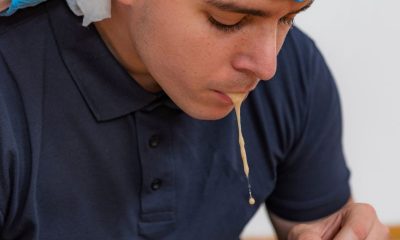

Recognizing poisoning symptoms is essential for quick action. We’ll look for nausea, vomiting, breathing difficulties, confusion, or skin reactions. The type of exposure—ingestion, inhalation, absorption, or...

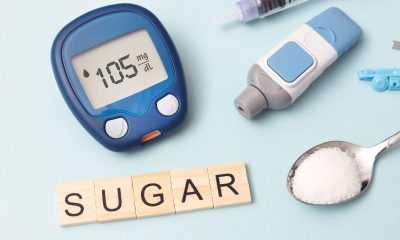

When handling diabetic emergencies involving hypoglycemia, we must act swiftly and decisively. First, we’ll recognize the warning signs, including confusion, sweating, and shakiness. We’ll then confirm...
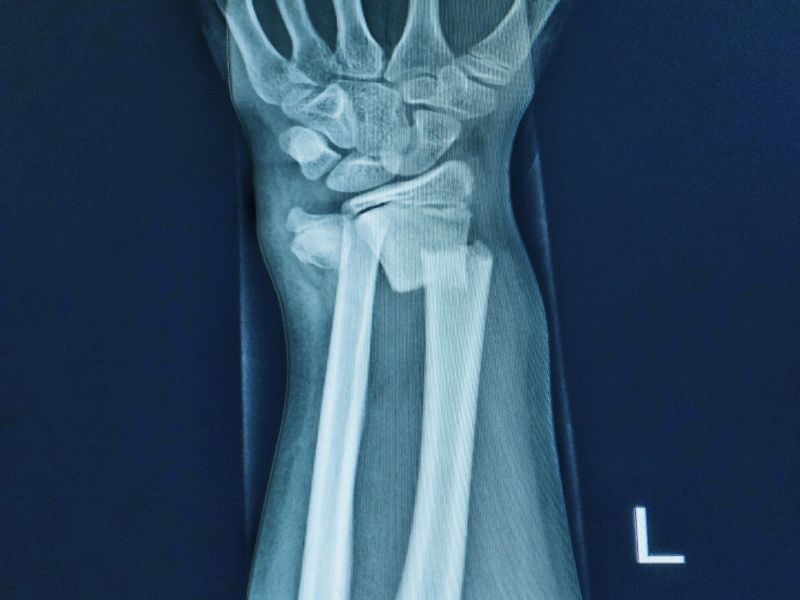


When dealing with broken bones, proper immobilization is key. We’ll assess the injury by looking for visible deformities, swelling, or bruising. Next, we’ll apply basic splinting...
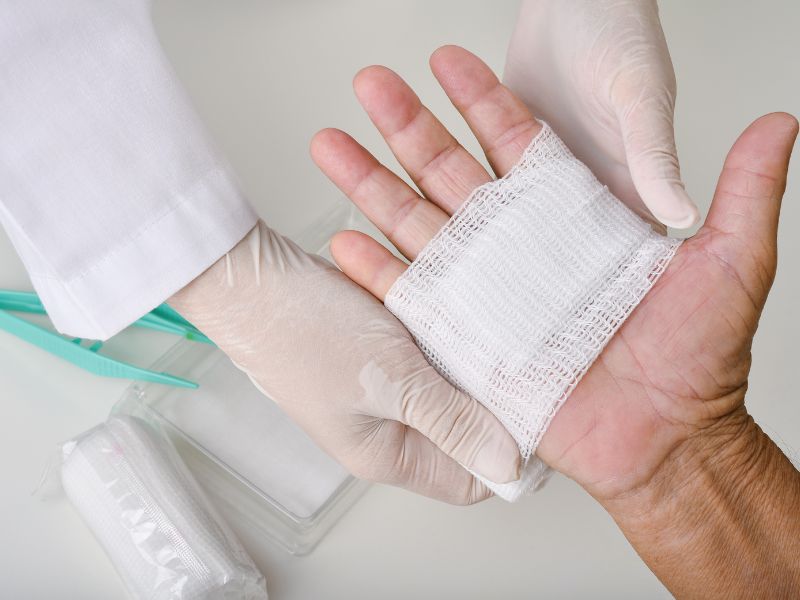


When caring for wounds, we follow best practices for cleaning and dressing to promote healing and prevent infection. We start with a thorough assessment of the...
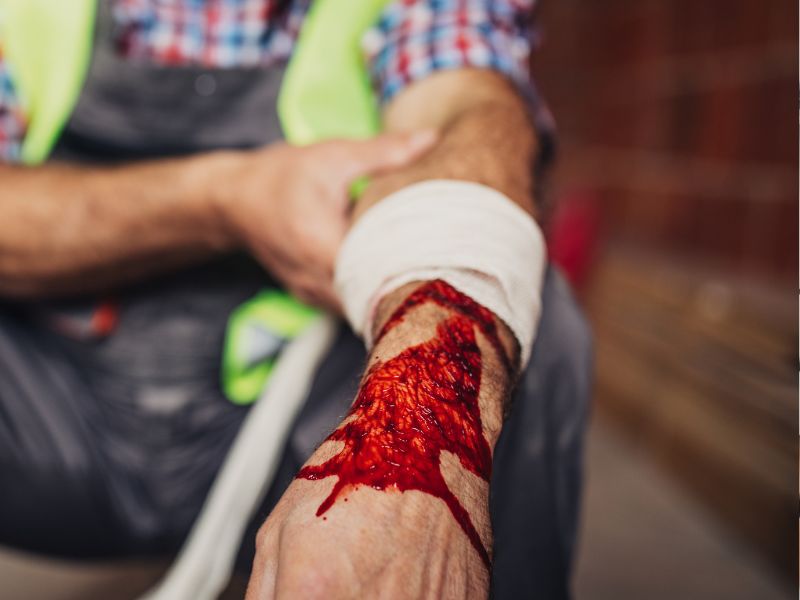

When managing traumatic bleeding, we must quickly assess the type and severity of the injury. We’ll apply tourniquets for limb injuries, use hemostatic agents for severe...
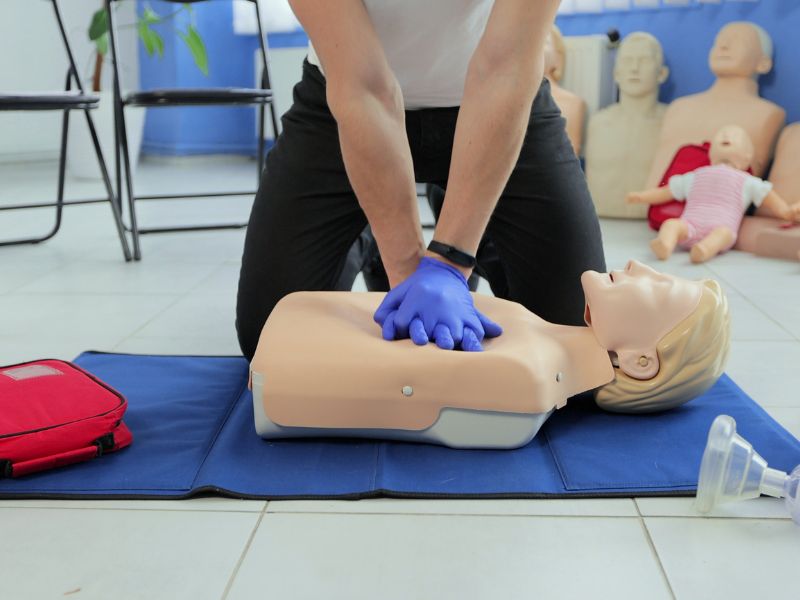


First aid techniques can be lifesavers in emergencies. We’ll cover five vital skills: CPR, controlling severe bleeding, recognizing strokes, managing choking, and treating burns. CPR involves...
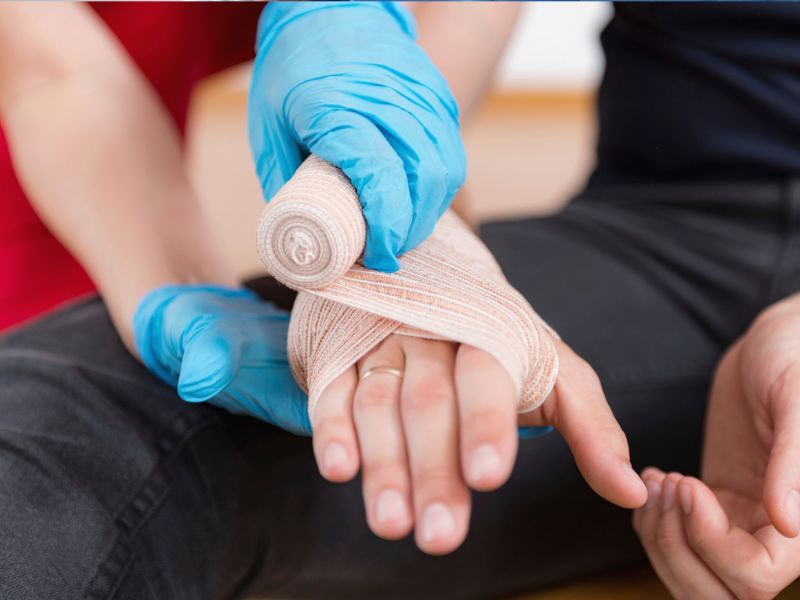


When it comes to sports injuries, quick action is essential. We’ll start by recognizing common injuries like sprains, strains, and fractures. Immediately apply the RICE method:...
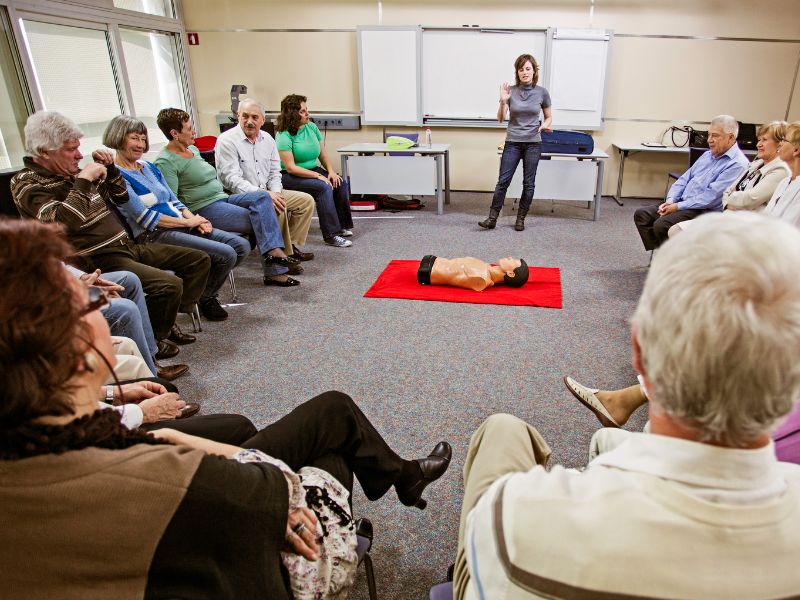


We take control of our health and wellbeing by grasping the fundamentals of first aid, which empowers us to make informed decisions, prevent accidents, and respond...


We’re taking control of our heart health by mastering essential first aid techniques that can save lives during emergencies. We know the signs of a heart...
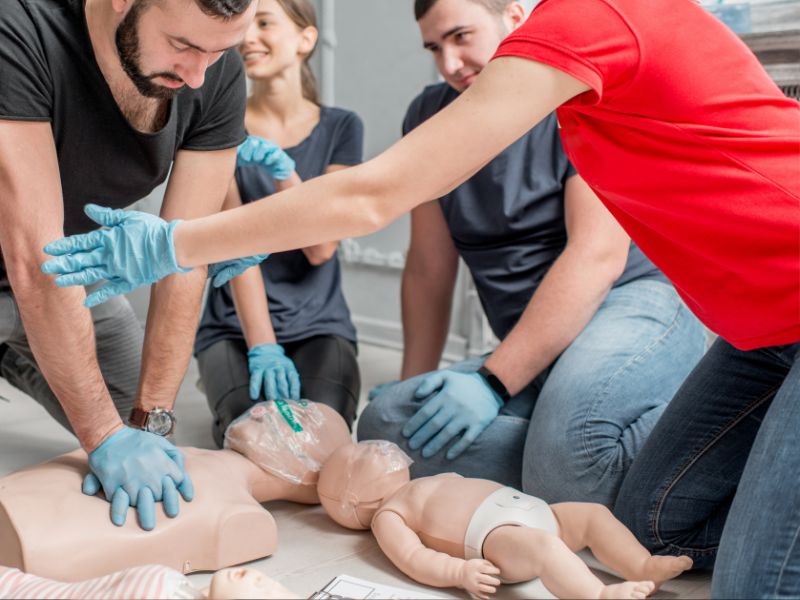


By acquiring first aid skills, we empower ourselves to transform from bystanders to proactive responders, capable of making a critical difference in emergency situations. We develop...


