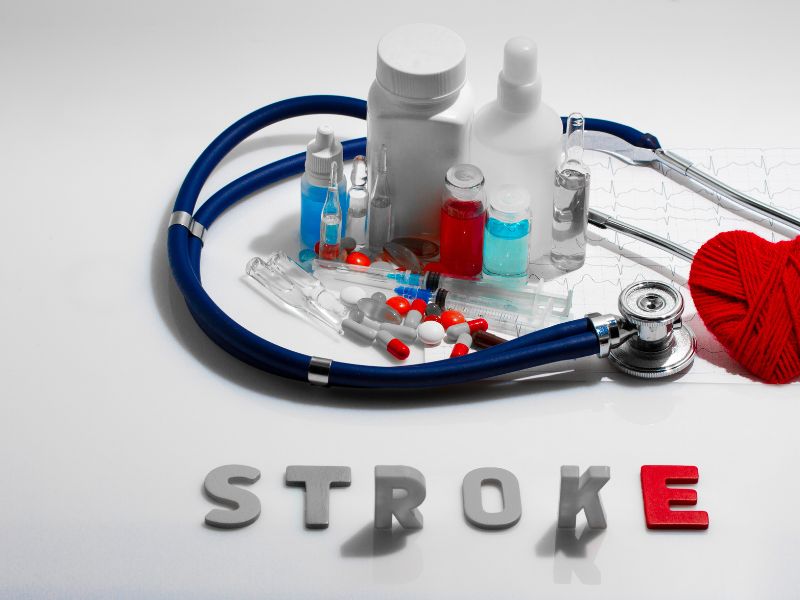
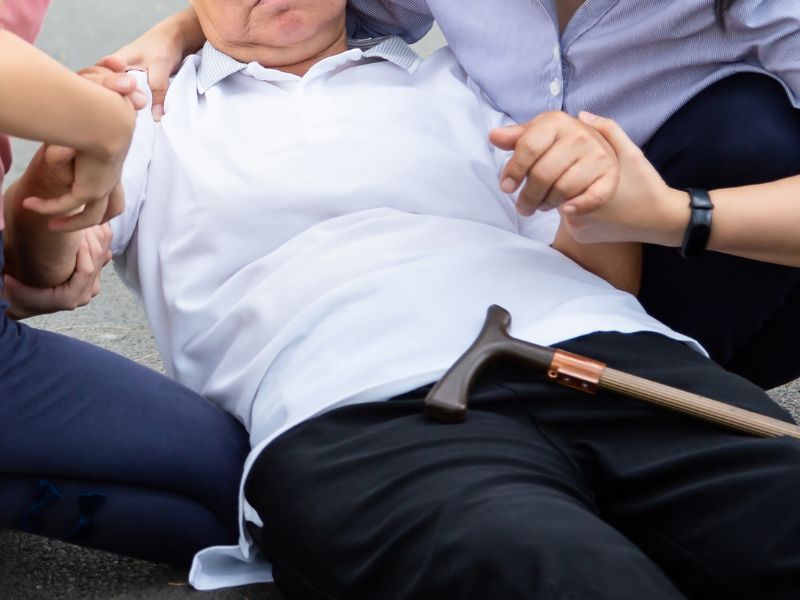
stroke victims
Understanding the Warning Signs: Recognizing the Early Symptoms of Stroke
Published
3 years agoon
The intricate dance of life. Our bodies often communicate with us in subtle ways, gently nudging us to pay attention. Yet, occasionally, the warning signs become urgent and demand our immediate attention.
Such is the case with stroke – a silent predator that strikes without warning. This article aims to unravel the mysteries of recognizing the early symptoms of stroke, equipping you with the knowledge to act swiftly and seek prompt medical attention.
Join us on this journey of understanding and empowerment, as we navigate the labyrinth of stroke symptoms together.
Key Takeaways
– Early recognition and prompt medical attention are crucial in stroke management.
– Time is of the essence in stroke treatment, as delays can lead to irreversible brain damage.
– Physical warning signs of stroke include sudden weakness or numbness on one side of the body, difficulty speaking or understanding speech, and loss of coordination and balance.
– Recognizing cognitive and speech changes, such as word-finding difficulties, slurred speech, confusion, or trouble understanding others, is important for timely intervention.
Importance of Early Recognition
It is imperative for healthcare professionals to emphasize the importance of early recognition in order to improve patient outcomes and minimize the
of stroke. Early intervention plays a crucial role in preventing further damage to the brain and promoting recovery. Recognizing the early symptoms of stroke enables prompt medical intervention, which can significantly reduce disability and mortality rates associated with this condition.
Studies have shown that time is of the essence when it comes to stroke management. Research indicates that every minute counts, and delays in seeking medical attention can lead to irreversible brain damage. By educating the public about the warning signs of stroke, healthcare professionals can empower individuals to take immediate action, such as calling emergency services or seeking medical help at a stroke center.
The long-term effects of stroke can be devastating, including physical disabilities, cognitive impairments, and emotional challenges. However, early recognition and intervention can help mitigate these effects. Timely administration of thrombolytic therapy or mechanical thrombectomy can restore blood flow to the affected area of the brain, reducing the extent of ischemic damage.
Early recognition allows for comprehensive rehabilitation programs to be initiated promptly. These programs help stroke survivors regain lost functions, improve their quality of life, and prevent complications like muscle contractures and pressure sores. By emphasizing the importance of early recognition, healthcare professionals can make a significant impact on stroke outcomes and facilitate better long-term recovery for patients.
Physical Warning Signs to Look Out For
Healthcare professionals should educate individuals about the physical warning signs to look out for, such as sudden weakness or numbness on one side of the body and difficulty speaking or understanding speech, as prompt recognition and action are crucial in the management of stroke.
1. Sudden Weakness or Numbness: One of the most common physical warning signs of a stroke is sudden weakness or numbness on one side of the body, typically the face, arm, or leg. This can make it difficult to perform simple tasks such as holding objects or walking.
2. Difficulty Speaking or Understanding Speech: Another important physical symptom to be aware of is difficulty speaking or understanding speech. This can manifest as slurred speech, difficulty finding the right words, or complete inability to speak. It may also be accompanied by confusion or disorientation.
3. Loss of Coordination and Balance: Stroke can also cause a sudden loss of coordination and balance. Individuals may experience dizziness or have trouble walking in a straight line. They may also have difficulty with fine motor skills, such as writing or buttoning a shirt.
Recognizing these physical warning signs is essential because prompt medical intervention can greatly improve the chances of recovery and minimize long-term complications. It is crucial for healthcare professionals to educate individuals about these symptoms so that they can recognize them and seek immediate medical attention when necessary.
Cognitive and Speech Changes as Early Indicators
Remarkably, cognitive and speech changes can serve as early indicators of potential stroke, emphasizing the importance of recognizing these signs for timely intervention and improved patient outcomes.
Cognitive decline refers to a decline in mental abilities, such as memory, thinking, and problem-solving skills. Language impairment, on the other hand, refers to difficulties in understanding or expressing language.
Research has shown that individuals who experience cognitive decline or language impairment may be at an increased risk of stroke. These changes can occur suddenly or gradually and may include difficulties with word-finding, slurred speech, confusion, or trouble understanding others. It is important to note that these symptoms may vary depending on the location and severity of the stroke.
Recognizing these early warning signs is crucial for prompt medical intervention, as early treatment can significantly improve outcomes and reduce the risk of long-term disability. If you or someone you know experiences sudden or unexplained changes in cognitive function or speech, it is important to seek immediate medical attention. Healthcare professionals can conduct a thorough evaluation to determine the cause of these changes and provide appropriate treatment.
Seeking Prompt Medical Attention
If someone experiences sudden or unexplained changes in cognitive function or speech, they should promptly seek medical attention to ensure timely intervention and appropriate treatment. Recognizing the early warning signs of a stroke and seeking prompt medical care can greatly improve the chances of a positive outcome.
Here are three reasons why seeking urgent care or visiting the emergency room is crucial when it comes to stroke symptoms:
1. Time-sensitive treatment: Stroke is a medical emergency that requires immediate attention. Timely intervention can help minimize the damage caused by a stroke and increase the chances of recovery. The sooner medical professionals can assess and diagnose the situation, the sooner they can initiate appropriate treatment.
2. Accurate diagnosis: Sudden changes in cognitive function or speech can be indicative of various underlying conditions, including stroke. By seeking medical attention, individuals can receive a thorough evaluation to determine the cause of their symptoms. Accurate diagnosis is essential for determining the most appropriate treatment plan.
3. Access to specialized care: Urgent care centers and emergency rooms are equipped with the necessary resources and expertise to handle medical emergencies like strokes. These facilities have specialized teams of healthcare professionals who are experienced in treating stroke patients. They can provide immediate medical interventions and arrange for further care, such as neurology consultations or rehabilitation services.
Frequently Asked Questions (FAQs)
What Are the Risk Factors for Stroke?
Risk factors for stroke include hypertension, diabetes, smoking, obesity, high cholesterol, atrial fibrillation, sedentary lifestyle, and family history. Preventive measures and risk reduction strategies such as regular exercise, healthy diet, and medication adherence can help mitigate these factors.
Are There Any Lifestyle Changes That Can Help Prevent Stroke?
Preventing strokes through lifestyle changes is possible. Research suggests that adopting a healthy diet and engaging in regular exercise can reduce the risk of stroke. These lifestyle modifications have been shown to have positive effects on overall cardiovascular health.
Can a Stroke Happen to Anyone, Regardless of Age or Gender?
Stroke can occur in individuals of any age or gender. Age can affect stroke risk, with older individuals being more susceptible. Gender also plays a role, with men having a slightly higher risk than women.
What Is the Difference Between a Stroke and a Transient Ischemic Attack (Tia)?
A stroke and a transient ischemic attack (TIA) are both cerebrovascular events, but the main difference is the duration and severity of symptoms. TIAs are temporary and typically resolve within 24 hours, while strokes cause lasting damage. Symptoms of TIA can include sudden weakness, numbness, or difficulty speaking.
Are There Any Long-Term Effects or Complications That Can Occur After Having a Stroke?
Long-term effects and complications can occur after a stroke, impacting various aspects of a person’s life. These may include physical disabilities, cognitive impairments, emotional changes, and challenges in daily activities. Stroke recovery requires a comprehensive approach, involving rehabilitation, support, and lifestyle modifications.
Conclusion
In conclusion, recognizing the early symptoms of stroke is crucial for prompt medical intervention and better outcomes.
By paying attention to physical warning signs like sudden weakness or numbness, and cognitive and speech changes such as confusion or slurred speech, individuals can seek immediate medical attention.
Remember, ‘prevention is better than cure,’ so being aware of these warning signs and seeking timely medical help can save lives and minimize the long-term effects of stroke.
You may like
-
How First Aid Helps When Choking Hazards Catch You Off Guard
-
Choking Hazards First Aid: What to Do in Those Scary Seconds
-
From Grapes to Toys: First Aid Choking Hazards Explained
-
Spotting Choking Hazards Before First Aid Becomes Necessary
-
First Aid for Choking Hazards: Stay Calm, Act Fast
-
How to Safely Treat a Minor First-Degree Burn
stroke victims
How Proper Stroke First Aid Buys the Precious Minutes Doctors Need
Published
2 months agoon
July 6, 2026
When someone’s having a stroke, every minute costs roughly 1.9 million neurons—and proper first aid directly controls how many of those minutes doctors recover. We call 911 immediately, note the exact time symptoms started, keep the person calm, and never offer food, water, or medication. We don’t drive them ourselves; we wait for EMS. These steps preserve the golden hour and treatment eligibility for clot-busting therapies. There’s much more to understand about making each second count.
How to Spot a Stroke Before It’s Too Late
Recognizing a stroke quickly can mean the difference between full recovery and permanent disability. We rely on the FAST acronym to identify stroke symptoms with precision: Facial drooping (one side of the face sags or feels numb), Arm weakness (one arm drifts downward when both are raised), Speech difficulties (slurred, strange, or absent language), and Time awareness (noting exactly when symptoms began). Additional warning signs include sudden confusion, severe headache, and vision loss. Every minute without intervention destroys approximately 1.9 million neurons. We must resist attributing these signs to fatigue or anxiety. The moment we suspect a stroke, we call emergency services immediately—we don’t drive the patient ourselves, and we don’t wait to see if symptoms resolve. Speed defines outcomes.
Why the First 60 Minutes Determine Everything
Once a stroke begins, the brain loses roughly 1.9 million neurons every minute—which is why the first 60 minutes, commonly called the “golden hour,” carry such outsized clinical weight. These critical timeframes aren’t arbitrary; they’re defined by the biology of ischemia. Blood-deprived tissue shifts from salvageable penumbra to irreversible infarction rapidly, and treatment windows for clot-busting agents like tPA close at 3–4.5 hours post-onset.
Every minute of delay collapses the range of viable interventions and permanently diminishes brain health outcomes. Patients treated within the golden hour demonstrate considerably better functional recovery, lower mortality rates, and reduced long-term disability. Understanding this urgency transforms bystander behavior—when we recognize that minutes equal neurons, we stop hesitating and start acting.
Call 911 First : Then Do These Things
When someone shows signs of stroke, calling 911 is the single most important action we can take—and we should do it before anything else. Emergency response time directly determines neurological outcomes. While waiting, execute these steps precisely:
- Note the exact time stroke symptoms began—this dictates treatment eligibility windows.
- Keep the person still and calm—unnecessary movement worsens neurological compromise.
- Don’t give food, water, or medication—swallowing function may already be impaired.
- Unlock the front door—paramedics need immediate access without delays.
We shouldn’t drive the person ourselves. Emergency medical teams begin assessment and intervention en route. Every action between the 911 call and hospital arrival either preserves or permanently sacrifices viable brain tissue.
What Not to Do During a Stroke Emergency
Don’t give the person food, water, or medication—swallowing ability may be compromised. Don’t let them “sleep it off” or dismiss symptoms as fatigue. Don’t drive them to the hospital yourself unless EMS is unavailable; paramedics begin assessment en route. Don’t restrain them if they’re seizing—clear the area instead. Don’t leave them alone while waiting for help.
Emotional responses are understandable, but panic and improvisation cost time. Every misguided action delays the clinical intervention that defines survival and recovery. Discipline in those first minutes is non-negotiable.
How Fast Treatment Reverses Stroke Damage
The speed of treatment after a stroke’s onset directly determines how much brain tissue survives. Timely intervention activates brain protection mechanisms before irreversible cellular death occurs. Here’s what rapid treatment accomplishes:
- Within 3 hours: tPA dissolves clots, restoring blood flow and reversing paralysis or speech deficits.
- Within 6 hours: mechanical thrombectomy retrieves larger clots, salvaging penumbral tissue.
- Within 24 hours: neuroprotective protocols reduce secondary inflammatory damage.
- Beyond 24 hours: rehabilitation potential diminishes considerably as neuronal death compounds.
Every 10-minute reduction in door-to-needle time correlates with measurable functional improvement at discharge. We can’t overstate this: the brain loses approximately 1.9 million neurons each minute without intervention. Speed isn’t just beneficial—it’s the treatment itself.
Frequently Asked Questions
Can a Stroke Occur in Children or Only Older Adults?
Strokes aren’t exclusive to older adults — we see pediatric strokes occurring even in newborns. You must recognize stroke symptoms in children immediately, as it is understood that early intervention is equally critical for younger patients.
Are Certain Medications Known to Increase a Person’s Stroke Risk?
Like double-edged swords, certain medication types cut both ways. We’ve identified key stroke factors in blood thinners, stimulants, hormonal therapies, and some antipsychotics—each capable of elevating your clotting or bleeding risk considerably.
Does Stress or Anxiety Directly Cause Strokes in Healthy Individuals?
Stress and anxiety don’t directly cause strokes in healthy individuals, but they’re significant contributing factors. We recommend prioritizing stress management and anxiety reduction, as chronic stress elevates blood pressure, accelerating vascular damage that ultimately heightens stroke vulnerability.
Can Someone Fully Recover All Functions After Surviving a Major Stroke?
Full recovery after a major stroke isn’t guaranteed, but we’ve seen meaningful restoration of function through aggressive stroke rehabilitation. We must recognize that outcomes vary based on stroke severity, location, and how quickly treatment’s initiated.
How Does a Transient Ischemic Attack Differ From a Full Stroke?
A transient ischemic attack produces stroke symptoms that resolve within 24 hours, leaving no permanent damage. Unlike a full stroke, we’re dealing with a temporary blockage—but don’t dismiss it; it’s a critical warning sign.
Conclusion
Every second truly counts when stroke strikes—and now you know why. We’ve covered how to spot the warning signs, why that first hour is critical, and what actions actually help. Here’s the statistic that should stay with you: stroke survivors who receive treatment within 90 minutes are three times more likely to recover with minimal disability. Your preparedness isn’t just helpful—it’s the difference between someone walking out of a hospital or not.
stroke victims
Stroke Warning Signs and the First Aid That Should Follow Immediately
Published
2 months agoon
July 2, 2026
Stroke warning signs include facial drooping, arm weakness, speech difficulties, sudden severe headache, and vision disturbances — we identify these quickly using the FAST method. Once we recognize these signs, we call emergency services immediately, note the exact symptom onset time, and position the patient safely without giving food, water, or aspirin. Every minute matters, as nearly 1.9 million neurons die without intervention. There’s considerably more to understand about protecting outcomes when every second counts.
The Warning Signs of a Stroke You Can’t Ignore
Recognizing a stroke as it happens can mean the difference between full recovery and permanent disability. We use the FAST acronym to identify the cardinal warning signs: Facial drooping (unilateral facial asymmetry or numbness), Arm weakness (inability to raise both arms equally), Speech difficulties (slurred, garbled, or absent language production), and Time (immediate emergency response). Beyond FAST, we should watch for sudden severe headache without identifiable cause, unexplained vision disturbances in one or both eyes, and acute balance or coordination loss. These symptoms reflect ischemic or hemorrhagic disruption of cerebral blood flow. Critically, symptoms needn’t present simultaneously — even isolated facial drooping or speech difficulties warrants immediate 911 activation. Every minute without intervention, approximately 1.9 million neurons die.
How the FAST Method Helps You Spot a Stroke Fast
Among the warning signs outlined above, the FAST acronym functions as our most operationally reliable screening tool because it distills complex neurological deficits into four observable, testable criteria that bystanders can apply without medical training. The FAST technique evaluates Face drooping, Arm weakness, Speech difficulty, and Time to call emergency services. Each criterion maps directly onto measurable stroke symptoms produced by focal ischemia disrupting motor, sensory, or language cortices. We assess facial symmetry by requesting a smile, arm drift by requesting bilateral elevation for ten seconds, and speech clarity by requesting a repeated phrase. When any single criterion is positive, we treat it as confirmatory — time-to-treatment governs neurological outcome, making immediate activation of emergency services non-negotiable.
What to Do Immediately When Someone Has a Stroke
Once we’ve confirmed stroke signs using FAST, our immediate priority shifts from assessment to action — and every second we delay compounds irreversible neuronal loss. Recognizing symptoms alone is insufficient; emergency response execution determines functional outcomes.
Call emergency services immediately — don’t drive the patient yourself. Note the precise symptom onset time, as this determines thrombolytic eligibility (the critical 4.5-hour tPA window). Position the patient lying down, head and shoulders slightly elevated if conscious, lateral recovery position if unconscious or vomiting. Remove restrictive clothing and monitor breathing continuously.
Never administer food, water, or aspirin — aspirin contraindicated until hemorrhagic stroke is excluded via neuroimaging. Don’t leave the patient unattended. Document all symptom progression and relay this information precisely to arriving paramedics.
What Not to Do While Waiting for Emergency Help
While we wait for emergency services, our actions — and critically, our inactions — directly influence the patient’s survival and recovery trajectory. Avoiding distractions and staying calm are non-negotiable priorities.
| Action | Why It’s Harmful | Evidence-Based Rationale |
|---|---|---|
| Giving food/water | Aspiration risk | Dysphagia affects ~50% of acute stroke patients |
| Administering aspirin | Hemorrhagic stroke contraindication | ASA worsens bleeding in hemorrhagic events |
| Repositioning aggressively | Increases ICP | Head elevation >30° compromises cerebral perfusion |
Don’t leave the patient unattended, attempt home remedies, or delay calling emergency services hoping symptoms resolve. Time-sensitive interventions like tPA have strict administration windows — every minute of delayed professional care permanently costs approximately 1.9 million neurons.
How Quick Action After a Stroke Affects Recovery
Knowing what to avoid buys time, but the actions we take — and how quickly we take them — ultimately determine how much of the brain survives. Every minute without intervention, approximately 1.9 million neurons die. This neuronal loss directly compresses the recovery timeline and narrows which rehabilitation strategies remain viable post-event.
Tissue plasminogen activator (tPA), the gold-standard thrombolytic, carries a narrow administration window — typically 4.5 hours from symptom onset. Mechanical thrombectomy extends that window to 24 hours in select cases, but outcomes degrade with delay. Earlier reperfusion correlates with smaller infarct volume, preserved functional connectivity, and greater responsiveness to intensive rehabilitation strategies. We can’t recover neurons already lost. Our only leverage is speed — and we must use it completely.
Frequently Asked Questions
Can a Person Have a Stroke While Sleeping or During Rest?
Yes, sleeping strokes can occur during rest or sleep. We must prioritize stroke detection upon waking, as symptom onset timing becomes unclear, complicating treatment eligibility and requiring immediate neurological evaluation regardless of activity state.
Are Certain Medications Known to Increase the Risk of Stroke?
Particularly problematic pharmaceuticals can precipitate stroke risk. We’ve identified that anticoagulants medications, when improperly dosed, alongside drugs elevating high blood pressure, greatly amplify cerebrovascular vulnerability—demanding vigilant monitoring, precise titration, and evidence-based clinical oversight from your healthcare team.
Is It Possible to Have Multiple Strokes Within a Short Timeframe?
Yes, recurrent strokes can occur within hours, days, or weeks. We’ve observed that prior stroke greatly elevates re-stroke risk, making aggressive secondary prevention critical to optimizing stroke recovery outcomes and minimizing cumulative neurological deficits.
Can Younger People and Children Experience Strokes Too?
Approximately 11% of strokes occur in people under 45. We can’t overlook pediatric strokes—they’re real, presenting with identical stroke symptoms as adults, including sudden weakness, speech deficits, and severe headache, demanding immediate clinical intervention.
Does Stress Directly Cause Strokes in Otherwise Healthy Individuals?
Stress doesn’t directly cause strokes, but it’s a significant contributing factor. We’ve found that chronic stress elevates cortisol, increases blood pressure, and accelerates atherosclerosis. Prioritizing stress management is essential for effective stroke prevention, even in otherwise healthy individuals.
Conclusion
Strokes strike without warning, but we don’t have to respond blindly. Every second of delay deepens the damage, yet every second of swift action preserves function. We’ve outlined the signs, the FAST method, and the critical do’s and don’ts because clinical evidence confirms that informed bystanders directly influence neurological outcomes. Recognizing a stroke isn’t medical expertise—it’s learned awareness. We can’t control when a stroke happens, but we absolutely control how fast help arrives.
stroke victims
First Aid Basics for Stroke: What to Do Before the Ambulance Arrives
Published
2 months agoon
June 29, 2026
When someone shows stroke symptoms, we use the FAST method — Face drooping, Arm weakness, Speech problems, Time to call 911. Every minute without treatment destroys roughly 1.9 million neurons, so we act immediately. While waiting for the ambulance, we position the patient on their side, loosen restrictive clothing, and avoid giving food, water, or aspirin. What we do — and don’t do — in these critical minutes directly shapes their recovery outcome.
How to Spot a Stroke Using the FAST Method
Recognizing a stroke quickly can mean the difference between full recovery and permanent disability. We use the FAST method to identify stroke symptoms with clinical precision:
Face: Ask the person to smile. Unilateral facial drooping signals neurological compromise.
Arms: Request both arms be raised simultaneously. Unilateral weakness or drift indicates motor dysfunction.
Speech: Listen for slurred, garbled, or absent speech. Aphasia is a critical stroke indicator.
Time: Every minute without intervention destroys approximately 1.9 million neurons. Immediately activate emergency response by calling 911.
Don’t give the person food, water, or medication. Note the exact time symptoms began—clinicians need this information to determine eligibility for thrombolytic therapy. Acting within the first 3–4.5 hours dramatically improves outcomes.
Call 911 Immediately : Here’s Exactly What to Say
Once we’ve spotted stroke symptoms, three words define our next action: call 911 now. Every second counts, so we don’t drive the patient ourselves—we let paramedics begin treatment en route.
When dispatchers answer, we deliver precise emergency communication:
- Location first: “I’m at [exact address].”
- Chief complaint: “Someone is having a stroke.”
- Symptom onset time: “Symptoms started approximately [X] minutes ago.”
- Current status: “The patient is [conscious/unconscious] and [breathing/not breathing normally].”
Onset time is critical—it determines eligibility for clot-dissolving medication (tPA), which has a narrow treatment window. We stay on the line, follow dispatcher instructions, and open doors so responders gain immediate access. We don’t leave the patient unattended.
What to Do While You Wait for the Ambulance
After the call ends, our actions during the wait directly influence patient outcomes. Follow this emergency protocol precisely:
Position the patient — If conscious, lay them on their side in the recovery position. If unconscious but breathing, maintain this position to protect the airway.
Don’t give food, water, or medication — Swallowing function is frequently compromised during stroke.
Loosen restrictive clothing — Remove ties, unbutton collars, loosen belts to support circulation.
Monitor and document — Note symptom onset time, symptom progression, and any loss of consciousness. This data is critical for the medical team.
Stay calm and reassuring — Reduce the patient’s anxiety while maintaining your initial response focus.
Don’t leave them alone — Conditions can deteriorate rapidly before paramedics arrive.
What Not to Do When Someone Is Having a Stroke
Knowing what to avoid is just as critical as knowing what to do when someone’s having a stroke. Common misconceptions around emergency response can worsen outcomes considerably. Don’t give the person food, water, or medication — swallowing difficulties increase aspiration risk. Don’t let them “sleep it off” or assume symptoms will resolve naturally. Don’t drive them to the hospital yourself unless emergency services are completely unavailable. Don’t apply aspirin without confirmed diagnosis, as hemorrhagic strokes can worsen with blood thinners. Don’t restrain them forcefully if they’re experiencing convulsions — guide them gently away from hazards instead. Don’t leave them alone. Every misstep consumes precious time within the therapeutic window. Sound emergency response requires us to act on evidence, not instinct or outdated assumptions.
How Your Actions Affect Stroke Recovery Outcomes
The actions we take in the first minutes after stroke onset directly shape a patient’s neurological outcomes. Every minute without timely intervention, approximately 1.9 million neurons die—a statistic that underscores why our response speed matters clinically. When we activate emergency services immediately, recognize symptoms accurately, and keep the patient calm and positioned correctly, we preserve salvageable brain tissue that determines stroke rehabilitation potential.
Patients who receive faster pre-hospital response demonstrate measurably better functional recovery, shorter rehabilitation timelines, and reduced permanent disability rates. Conversely, delayed action narrows the treatment window for thrombolytics and mechanical thrombectomy—interventions that restore blood flow and limit infarct size.
Our informed, decisive response before the ambulance arrives isn’t peripheral to stroke care—it’s foundational to it.
Frequently Asked Questions
Can Stress or Anxiety Trigger a Stroke in Otherwise Healthy Individuals?
Yes, stress-related strokes are documented in research. Chronic anxiety triggers heightened cortisol, hypertension, and inflammation, all of which elevate stroke risk even in otherwise healthy individuals. We must take these physiological responses seriously.
Are Certain Blood Types More Genetically Predisposed to Experiencing Strokes?
Yes, blood type influence stroke risk. Those with Type A face higher ischemic stroke odds—consider a 55-year-old Type A patient with hypertension. Genetic factors, including ABO gene variants, amplify predisposition, we’ve confirmed through population-based studies.
How Long Does Full Stroke Rehabilitation Typically Take After Hospital Discharge?
Full stroke rehabilitation timelines vary widely—we’re typically looking at three to six months, though recovery factors like stroke severity, age, and neuroplasticity can extend meaningful progress well beyond two years post-discharge.
Can Someone Experience a Stroke While Sleeping Without Any Witnesses Present?
Yes, sleeping strokes occur frequently, and we often notice silent symptoms—like facial drooping or arm weakness—only upon waking. If you wake with neurological deficits, treat it as an emergency and call ambulance services immediately.
Does a Previous Stroke Significantly Increase the Risk of Having Another?
Yes—and it’s alarming. Previous stroke implications reveal that stroke risk factors compound greatly; we’re looking at a 25-40% recurrence rate within five years, making vigilant management of modifiable risk factors absolutely critical for survivors.
Conclusion
When a stroke strikes, every second shapes the outcome. We recognize the signs, we call for help, and we act with purpose. We stay calm, we keep the person safe, and we resist the urge to intervene beyond our training. We don’t give food, we don’t give medication, and we don’t delay the call. What we do in those critical minutes directly determines how much brain—and life—is preserved.
How First Aid Helps When Choking Hazards Catch You Off Guard
Choking Hazards First Aid: What to Do in Those Scary Seconds
From Grapes to Toys: First Aid Choking Hazards Explained
Concussion Protocols in Contact Sports: Ensuring Athlete Safety and Staying Ahead of Innovations
Understanding the Warning Signs: Recognizing the Early Symptoms of Stroke
Emergency First Aid: Treating Dehydration on the Spot
Trending
-
First aid3 years agoConcussion Protocols in Contact Sports: Ensuring Athlete Safety and Staying Ahead of Innovations
-
First aid3 years agoEmergency First Aid: Treating Dehydration on the Spot
-
First aid3 years agoReturn to Play Guidelines for Children with Minor Head Injuries
-
CPR techniques3 years agoChoking Hazards: What To Do When Someone Can’t Breathe
-
First aid3 years agoInside the Bathroom Battle: Recognizing Diarrhea’s Warning Signs
-
Choking hazards3 years agoThe ABCs of First Aid: Airway, Breathing, Circulation
-
First aid3 years agoFirst Aid for Cuts and Wounds: Cleaning, Dressing, and Infection Prevention
-
First aid3 years agoConcussions and Head Bumps: Understanding the Difference