Connect with us

First aid

Exercise and High Cholesterol: How Physical Activity Can Make a Difference

Published

on

Living with high cholesterol can significantly impact your overall health and increase the risk of heart disease. However, the good news is that you have the power to take control of your cholesterol levels through various lifestyle changes. One of the most effective and accessible ways to manage high cholesterol is through regular exercise. In this article, we will explore the link between exercise and cholesterol, the types of exercises that can help lower cholesterol, recommended exercise guidelines, the role of exercise in a comprehensive approach, and important precautions to consider.

I. Understanding the Link between Exercise and Cholesterol

Regular physical activity plays a crucial role in positively influencing cholesterol levels. Cholesterol is a waxy substance found in the blood, and there are two main types: low-density lipoprotein (LDL) cholesterol, often referred to as “bad” cholesterol, and high-density lipoprotein (HDL) cholesterol, known as “good” cholesterol. Exercise has a direct impact on these cholesterol types.

By engaging in regular exercise, you can raise your HDL cholesterol levels, which helps remove LDL cholesterol from your arteries. Additionally, exercise stimulates the enzymes that move LDL cholesterol from the blood to the liver, where it is processed and eliminated from the body. This process effectively lowers LDL cholesterol levels, reducing the risk of plaque buildup in the arteries and cardiovascular diseases.

II. Types of Exercises for Lowering Cholesterol

Aerobic exercises, such as brisk walking, jogging, cycling, swimming, and dancing, are excellent for reducing cholesterol levels. These activities increase your heart rate, strengthen your cardiovascular system, and improve blood flow. Aim for at least 150 minutes of moderate-intensity aerobic exercise per week or 75 minutes of vigorous-intensity exercise.

Advertisement

Strength training exercises, including lifting weights, using resistance bands, or doing bodyweight exercises, also contribute to cholesterol management. Building muscle mass helps boost metabolism and burn more calories, assisting with weight management and reducing LDL cholesterol levels.

Incorporating flexibility exercises, such as yoga or stretching routines, is equally important. Flexibility exercises improve joint mobility, enhance overall fitness, and complement aerobic and strength training exercises for a well-rounded fitness routine.

III. Recommended Exercise Guidelines

If you have high cholesterol, it’s essential to follow exercise guidelines to effectively manage your cholesterol levels. Start slowly if you’re a beginner and gradually increase the duration and intensity of your workouts. Here are some general exercise recommendations:

Aim for at least 30 minutes of moderate-intensity aerobic exercise most days of the week.
Alternatively, engage in 20 minutes of vigorous-intensity aerobic exercise three days a week.
Incorporate strength training exercises two to three times per week, targeting all major muscle groups.
Don’t forget to include flexibility exercises as part of your weekly routine.
Listen to your body and make adjustments as needed. If you experience any discomfort or pain, consult a healthcare professional.

IV. Exercise as Part of a Comprehensive Approach

While exercise plays a significant role in managing high cholesterol, it is crucial to adopt a comprehensive approach. Exercise alone may not be sufficient to control cholesterol levels. It is equally important to make dietary changes and maintain a healthy lifestyle.

Advertisement

Focus on consuming a balanced diet rich in fruits, vegetables, whole grains, lean proteins, and healthy fats. Reduce your intake of saturated and trans fats, which can raise LDL cholesterol levels. Incorporate foods known to help lower cholesterol, such as oats, nuts, seeds, and legumes.

Other lifestyle factors, such as quitting smoking and maintaining a healthy weight, are also vital in managing cholesterol levels. Smoking damages blood vessels and lowers HDL cholesterol levels, while excess weight can contribute to increased LDL cholesterol. By quitting smoking and managing weight through a combination of exercise and a healthy diet, you can further improve your cholesterol profile.

V. Precautions and Considerations

Before starting any exercise program, it is important to consult a healthcare professional, especially if you have underlying health conditions or have been inactive for an extended period. They can provide personalized guidance and address any concerns you may have.

Listen to your body while exercising and pay attention to any warning signs or discomfort. If you experience chest pain, shortness of breath, dizziness, or any unusual symptoms, stop exercising immediately and seek medical attention.

Remember, everyone is different, and what works for one person may not work for another. It’s essential to find an exercise routine that suits your preferences, abilities, and lifestyle. Don’t be discouraged by setbacks, and focus on gradually improving your fitness levels and cholesterol management over time.

Advertisement

Frequently Asked Questions (FAQs)

Q: Can exercise alone lower cholesterol levels?
A: While exercise has a positive impact on cholesterol levels, it’s important to adopt a comprehensive approach that includes dietary changes and other healthy lifestyle habits for optimal cholesterol management.

Q: How long does it take to see improvements in cholesterol levels through exercise?
A: Consistency is key. With regular exercise and a healthy lifestyle, you can start seeing improvements in cholesterol levels within a few months. However, individual results may vary.

Q: Can I exercise if I have other health conditions?
A: It’s essential to consult with a healthcare professional before starting an exercise program, especially if you have underlying health conditions. They can provide guidance and ensure your exercise routine is safe and suitable for your specific needs.

Q: What if I don’t enjoy traditional forms of exercise?
A: Explore different activities that you enjoy, such as dancing, hiking, or playing a sport. The key is to engage in physical activity that elevates your heart rate and keeps you active.

Q: Are there any exercises I should avoid if I have high cholesterol?
A: Generally, there are no exercises that you need to avoid specifically due to high cholesterol. However, if you have any other health conditions, consult with a healthcare professional for personalized advice.

Advertisement

Remember, maintaining a healthy lifestyle that includes regular exercise is a long-term commitment. Stay motivated, set realistic goals, and celebrate your progress along the way. Your efforts in managing your cholesterol levels will contribute to a healthier heart and a better quality of life.


Conclusion

Regular exercise is a powerful tool in managing high cholesterol levels and promoting overall cardiovascular health. By engaging in aerobic exercises, strength training, and flexibility exercises, you can effectively raise HDL cholesterol levels, lower LDL cholesterol levels, and reduce the risk of heart disease. Remember to follow the recommended exercise guidelines, adopt a comprehensive approach that includes a healthy diet, and consult with healthcare professionals for personalized advice. Take charge of your cholesterol levels and embrace an active lifestyle for a healthier future.

First aid

First Aid Readiness for the Modern Office Setting

Published

on

First Aid Readiness for the Modern Office Setting

We believe modern office first aid readiness demands more than adhesive bandages—it requires OSHA and ANSI/ISEA Z308.1-compliant kits with trauma shears, tourniquets, and hemostatic gauze. We train certified responders, place AEDs within 200 feet of every point, and run quarterly drills to build muscle memory. Compliance alone won’t save a life; actionable plans will. Here’s what a truly prepared office looks like.

Why Office First Aid Kits Fall Short

Although most offices stock a first aid kit, few meet the standards that actually matter in an emergency. We consistently find kits stocked with adhesive bandages and antiseptic wipes but missing items required under OSHA and ANSI/ISEA Z308.1 guidelines, such as trauma shears, burn dressings, or tourniquets. One of the most common misconceptions we encounter is that a single, generic kit satisfies compliance across all workplaces. It doesn’t. Risk profiles differ by industry, headcount, and layout, which is why kit customization isn’t optional—it’s a regulatory expectation. We push you to audit contents against your specific hazard assessment, not a retail checklist. Expiration tracking, staff training, and kit placement all factor into true readiness. Without these elements, your kit is symbolic, not functional.

Build a First Aid Kit for Real Office Emergencies

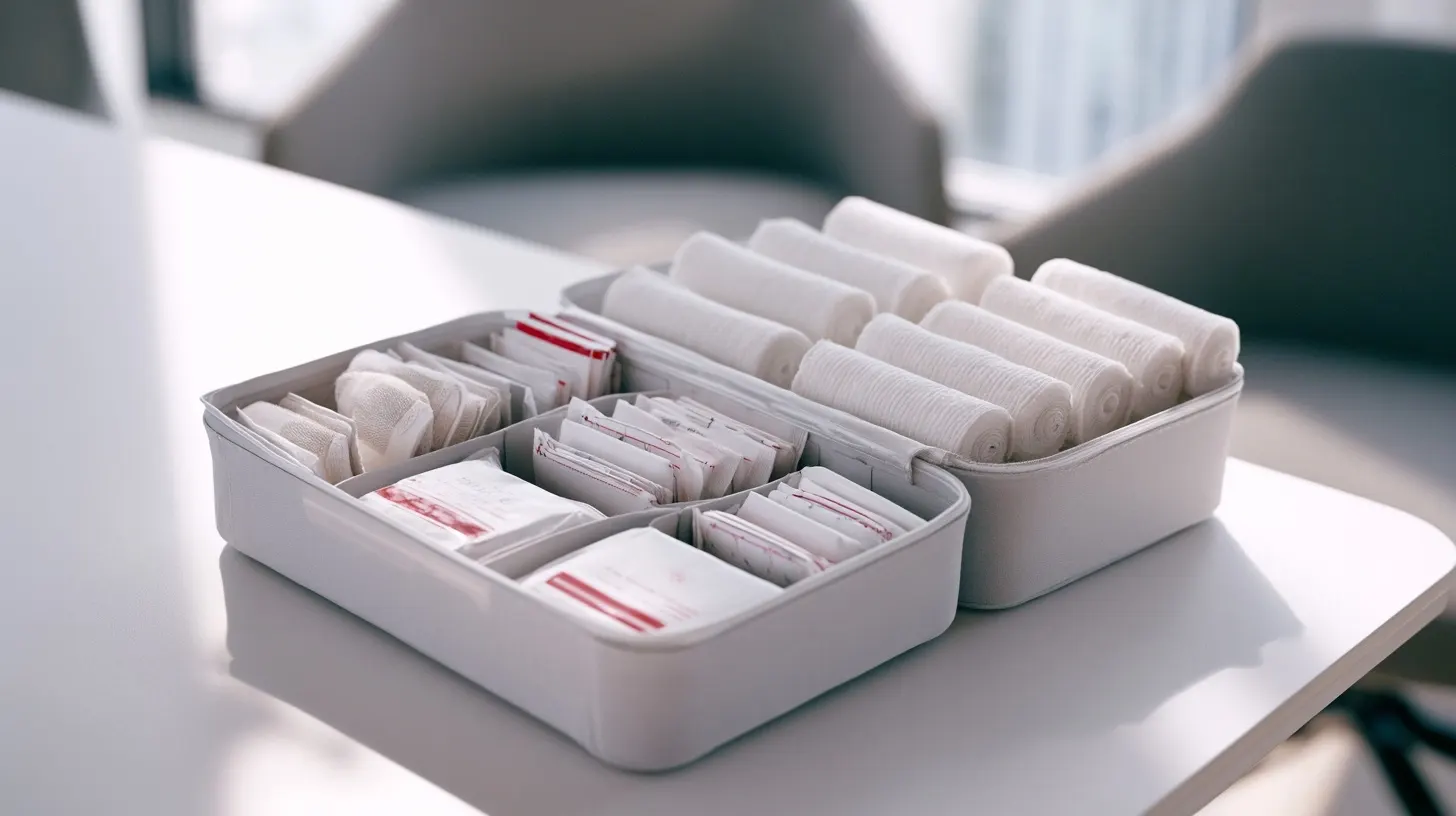
Three categories drive real readiness: trauma response, wound care, and PPE. We build our kit checklist around these functions, not around generic bandage counts. Every item earns its place by addressing a specific injury pathway common to office environments.

Category First Aid Essentials
Trauma Response Tourniquet, hemostatic gauze, trauma shears
Wound Care Adhesive bandages, antiseptic wipes, non-stick pads
PPE Nitrile gloves, CPR face shield, eye protection

We stock quantities based on headcount, not arbitrary minimums—one tourniquet per twenty employees, gloves in multiple sizes. We rotate stock quarterly and verify expiration dates on antiseptics and adhesives. This structure transforms a passive supply box into a functional response system aligned with real workplace risk.

Advertisement

Train Employees to Respond in the First Few Minutes

Because cardiac arrest and severe bleeding kill within minutes, not hours, we can’t rely on kit contents alone—we need employees who act decisively before professional help arrives. That means structured employee training, not a one-time orientation slide.

We recommend certifying at least one first aid responder per floor or shift, following OSHA’s general duty clause guidance for workplaces without nearby emergency services. Training must cover CPR, AED use, bleeding control, and choking response—refreshed every two years to maintain certification validity.

We also drill scenario recognition: distinguishing a fainting spell from a stroke, or anxiety from anaphylaxis. Confidence comes from repetition, not theory. When we invest in employee training, we cut response time and reduce complications, turning bystanders into competent first responders when seconds matter most.

Where to Place AEDs and Supplies for Fast Access

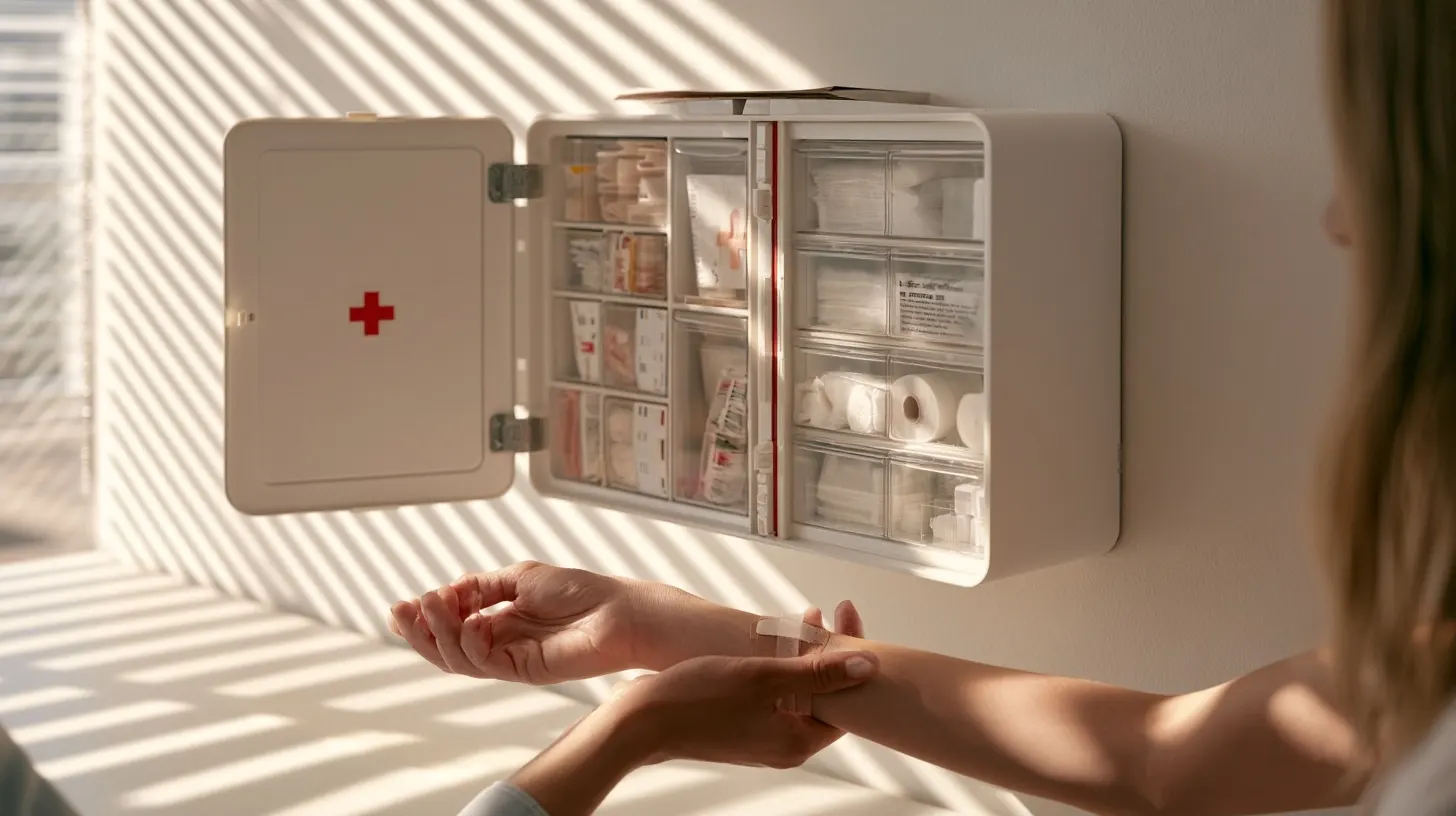
Every second counts once cardiac arrest strikes, so we place AEDs within a three-minute round-trip walk from any point in the office—roughly 200 feet, per American Heart Association siting guidance. We mount units in wall cabinets near high-traffic corridors, break rooms, and reception areas, never behind locked doors requiring keycard delay. Each AED placement gets illuminated signage visible from multiple sightlines, plus a wall-mounted cabinet alarm that sounds on opening.

We stock emergency supplies—gloves, trauma dressings, tourniquets, CPR masks—directly beside every AED unit, eliminating the need to search separate cabinets mid-crisis. Multi-floor buildings require at least one AED per floor, positioned near stairwells rather than elevators. We log placement coordinates in our emergency response plan and verify accessibility during quarterly facility walkthroughs.

Advertisement

Create a Workplace Emergency Response Plan That Sticks

A written plan that sits in a binder nobody’s opened since onboarding isn’t a plan—it’s a liability. We build plans that survive contact with reality, and that means designing for muscle memory, not paperwork compliance.

Every effective plan assigns clear response roles before an incident occurs, not during one. We define who calls emergency services, who administers first aid, and who manages evacuation—by name, not by department.

We test the plan through emergency drills conducted quarterly, not annually. Muscle memory fades fast without repetition.

Our plans require:

  • Documented response roles with backup assignments for absences
  • Scheduled emergency drills that simulate realistic scenarios, not scripted walkthroughs
  • Post-drill debriefs that capture gaps and update procedures immediately

A plan that sticks gets revised constantly—we treat it as a living document, never a filed formality.


Frequently Asked Questions

Is First Aid Training Legally Required for Office Employees?

We don’t mandate formal certification universally, but first aid regulations require employers to assess workplace risks and guarantee adequate provisions exist. We recommend trained personnel to strengthen employee safety and maintain compliance with occupational health standards.

Advertisement

How Often Should First Aid Certifications Be Renewed?

We recommend renewing certifications every two years, aligning with standard certification frequency guidelines. You’ll need a qualified training instructor to verify compliance, guarantee updated protocols, and confirm you’re meeting current regulatory standards precisely.

Who Is Legally Liable if a Coworker Is Injured?

Like a captain answering for a ship’s crew, we bear the weight through vicarious liability—employer responsibilities mandate we’re liable for coworker injuries occurring within employment’s scope, provided we’ve upheld reasonable care and safety protocols.

Does OSHA Mandate Specific First Aid Kit Contents?

No—OSHA doesn’t specify exact contents; we’re required to assess workplace hazards and stock a first aid kit accordingly, per ANSI Z308.1 guidance, ensuring workplace safety through adequate, situation-appropriate supplies and readiness.

Should Remote or Hybrid Employees Receive First Aid Training Too?

Think safety stops at the office door? We don’t. Remote employee training and hybrid workplace safety protocols are essential—we mandate first aid competency regardless of location, ensuring compliance and protection wherever your team actually works.


Conclusion

We can’t afford to wait until an emergency strikes to think about readiness. We need well-stocked kits, trained staff, strategically placed AEDs, and a response plan that holds up under pressure. Compliance isn’t optional—it’s foundational. When we treat first aid readiness as a standing priority rather than an afterthought, we’re not just checking a box; we’re getting our ducks in a row before the moment demands it.

Advertisement

Continue Reading

First aid

Why Your Office Needs Smarter First Aid Settings

Published

on

Why Your Office Needs Smarter First Aid Settings

We treat first aid kits as one-time purchases, but that mindset leaves us exposed. Expired antiseptics, dried-out bandages, and understocked supplies don’t just fail us—they violate OSHA guidelines and create liability we can’t ignore. Smarter setups mean strategic placement, ANSI-compliant contents, trained responders, and quarterly audits that catch gaps before incidents happen. We can’t afford outdated systems. Below, we’ll break down exactly what a compliant, risk-ready setup looks like.

The Real Cost of Outdated First Aid Kits

Because most offices treat first aid kits as a one-time purchase rather than an ongoing obligation, we routinely find supplies that no longer meet basic safety standards. Expired antiseptics, dried-out adhesive strips, and depleted bandage stock create gaps that compromise employee safety during the moments that matter most. We can’t overstate the legal implications here: OSHA guidelines require kits to remain stocked and functional, and non-compliance exposes your organization to liability if an incident occurs. We recommend establishing a quarterly audit schedule, assigning accountability to a specific team member, and documenting every inspection. This isn’t administrative overhead—it’s risk mitigation. When we treat first aid readiness as a continuous process rather than a checkbox, we protect both our people and our organization’s standing.

Where to Place First Aid Stations for Maximum Impact

Where do employees actually spend their time, and where do incidents most often occur? We can’t answer this by guesswork; we need data. High-traffic zones—breakrooms, workshops, loading docks—demand strategic placement based on documented incident frequency and OSHA’s proximity guidelines, which require accessibility within reasonable response time.

We also can’t overlook visibility considerations. A station tucked behind equipment or hidden in a supply closet fails its purpose during an emergency. We should mount signage at eye level, use high-contrast colors, and guarantee clear sightlines from multiple approach angles.

Advertisement

We recommend mapping your floor plan against injury logs quarterly. This identifies coverage gaps and prevents over-concentration in low-risk areas. Placement isn’t static—it evolves with staffing changes, renovations, and shifting operational hazards. Regular audits keep coverage aligned with actual risk.

What Every Smart First Aid Kit Should Include

A well-stocked kit starts with ANSI/ISEA Z308.1 compliance, not guesswork. We build our essential items list around Class A or Class B classifications, depending on workplace risk exposure, then verify quantities against employee headcount. Beyond baseline supplies, we prioritize kit organization that eliminates fumbling during emergencies—clear labeling, modular compartments, and logical grouping by injury type.

We recommend stocking:

  • Wound care essentials: adhesive bandages, gauze pads, trauma dressings, and antiseptic wipes
  • Circulation and breathing support: tourniquets, CPR face shields, and instant cold packs
  • Documentation tools: incident report forms, waterproof pen, and emergency contact reference card

We audit contents quarterly, replacing expired items and confirming seals remain intact. This procedural rigor turns a static box into a functional response system your team can trust under pressure.

Train Your Team to Actually Use the Supplies

Stocking supplies solves nothing if your team freezes when someone’s bleeding. We need first aid training that builds muscle memory, not just certificates for a file. Schedule quarterly refreshers, not one-and-done sessions employees forget by month three.

We should designate at least two trained responders per floor or shift, covering absences and rotations. Post their names near the kit. Run scenario drills—a fall, an allergic reaction, a laceration—so staff practice locating supplies and applying them under pressure.

Advertisement

Emergency preparedness means documenting who’s certified, when certifications expire, and who needs renewal. We can’t rely on assumptions. Track training records the same way we track inventory. When we test our team’s competence regularly, we close the gap between having supplies and actually saving someone.

How Often Should You Audit Your First Aid Setup?

How frequently we audit our first aid setup determines whether it holds up during an actual emergency. We recommend setting first aid frequency at quarterly intervals, with additional checks triggered after any incident that depletes supplies. A rigid schedule prevents drift between what’s documented and what’s actually stocked.

Our audit checklist should verify:

  • Expiration dates on medications, ointments, and sterile dressings
  • Inventory counts against our established par levels for each supply category
  • Compliance documentation, including sign-off sheets and incident-response logs

Beyond the quarterly cadence, we treat regulatory updates as automatic audit triggers. OSHA revisions or industry-specific mandates can shift our compliance baseline overnight. Building this checklist into a recurring calendar event—not a mental note—removes the guesswork and keeps accountability documented, traceable, and defensible if we’re ever questioned.


Frequently Asked Questions

Are Employers Legally Required to Provide Workplace First Aid Kits?

Yes, we’re legally required to provide first aid kits under first aid regulations governing workplace safety. We must assess risks, maintain adequate supplies, and guarantee compliance to protect employees and avoid regulatory penalties.

Who Is Responsible for Restocking First Aid Supplies After Use?

Like a depleted quiver signaling a warrior’s vulnerability, empty first aid supplies expose us to compliance risk. We designate accountable personnel who master first aid logistics, ensuring supply chain management protocols trigger immediate restocking, verified through documented audits after every incident.

Advertisement

Can Employees Refuse to Administer First Aid to Colleagues?

Yes, we can’t force anyone to act. Even with first aid training, employee hesitance is valid—no one’s legally obligated to intervene. We recommend documenting refusals and reinforcing voluntary response protocols during onboarding and refreshers.

Does Workplace Insurance Cover Injuries From Expired First Aid Supplies?

Coverage concerns compound quickly: we can’t guarantee insurance claims involving expired supplies will succeed. Insurers often deny liability when negligence—like ignoring restocking protocols—contributed to injury, so we must audit inventory dates rigorously and document compliance thoroughly.

Yes, we recommend digital or app-based first aid guides, provided you verify digital accessibility across devices and confirm app effectiveness through regular updates, offline functionality checks, and compliance validation against current first aid protocols.


Conclusion

We can’t afford to treat first aid like a fire extinguisher we forget until inspection day. Every kit, station, and trained hand is a link in our compliance chain—and chains break at the weakest link. We need to audit placement, stock, and training on a set schedule, document it, and close gaps immediately. When we build readiness into routine, we’re not just meeting code; we’re protecting our people before the next incident writes the report for us.

Advertisement
Continue Reading

First aid

First Aid for Office Settings Without Overcomplicating Things

Published

on

First Aid for Office Settings Without Overcomplicating Things

We don’t need medical training to handle most office emergencies—just a well-stocked kit, a level head, and a few basics. Keep bandages, antiseptic wipes, and gloves on hand for cuts and scrapes. Know how to respond to choking, and recognize heart attack or stroke symptoms early. Add quick, regular team training, and you’ve got everything covered. Stick around, and we’ll walk you through each piece.

Build a Basic Office First Aid Kit That Covers Real Emergencies

Most office first aid kits fail at the worst possible moment—not because they’re empty, but because they’re stocked with the wrong things. We need supplies that match actual office injuries: paper cuts, burns from break room mishaps, minor sprains, and the occasional allergic reaction. Skip the oversized rolls of gauze no one knows how to use. Instead, stock adhesive bandages in multiple sizes, antiseptic wipes, and clear instructions for bandage applications so anyone can step in confidently.

We also recommend posting emergency contacts directly inside the kit’s lid—building management, nearest urgent care, and a designated first aider’s extension. Add gloves, a cold pack, and tweezers. That’s it. A focused kit beats an overstuffed one every time, and it keeps response times fast when seconds matter.

Handle Cuts, Burns, and Scrapes in Under Five Minutes

Once the kit’s stocked, knowing what to grab—and when—makes all the difference. For a cut, we apply gentle pressure with a clean gauze pad until bleeding stops, then clean the wound with an antiseptic wipe before covering it with a bandage. For burns, cool water beats ice every time—run the area under it for a full minute, then apply a burn gel and a non-stick dressing. Scrapes need a quick rinse to remove debris, followed by antiseptic and a light bandage to keep the area protected. Good first aid isn’t about doing more; it’s about doing the right steps in order. Solid workplace hygiene—clean hands, sealed supplies, sanitized surfaces—keeps every treatment effective and every wound safer.

Advertisement

What to Do When a Coworker Is Choking?

When a coworker starts choking, we don’t wait to see if it resolves on its own—we act. A proper choking response starts with one question: “Are you choking?” If they can’t speak, cough, or breathe, we move immediately into our emergency protocol.

  • Confirm severity: Mild coughing means the airway isn’t fully blocked—let them keep coughing.
  • Position for abdominal thrusts: Stand behind them, wrap your arms around their waist, make a fist above the navel.
  • Deliver firm, upward thrusts: Repeat until the object dislodges or they lose consciousness.
  • Call for help immediately: Someone dials emergency services while we continue thrusts.

We stay calm, keep counting, and don’t stop until help arrives or the airway clears.

Recognize the Warning Signs of a Heart Attack or Stroke

Because seconds matter, we train ourselves to spot heart attack and stroke symptoms before they escalate. Heart attack symptoms typically include chest pressure or pain, discomfort radiating to the arm or jaw, shortness of breath, cold sweat, and nausea. We don’t wait for dramatic collapse—symptoms often build gradually.

Stroke signs follow a different pattern, and we remember them using FAST: Face drooping, Arm weakness, Speech difficulty, Time to call for help. We also watch for sudden confusion, vision problems, or loss of balance.

When we notice these signs in ourselves or a coworker, we call emergency services immediately. We don’t drive them ourselves or wait to “see if it passes.” We note the time symptoms started—that detail helps responders determine treatment options fast.

Train Your Team Without Turning It Into a Big Production

A full-day workshop isn’t necessary to build real first aid competence. We’ve found that short, focused sessions stick better than marathon trainings that drain everyone’s attention. Fifteen minutes during a team meeting can teach one skill well—that’s the whole point.

Advertisement

Simple strategies work best because they’re easy to remember under pressure. We keep training tied to real scenarios: a coworker choking at lunch, someone collapsing near the printer. That context makes lessons memorable.

Team engagement improves when people practice, not just watch. Try these approaches:

  • Run a five-minute CPR refresher using a training dummy or pillow
  • Rotate “safety captain” duties monthly so everyone learns the kit’s location
  • Practice calling emergency services with mock scenarios
  • Post visual reminders near exits and break rooms

Confidence grows through repetition, not perfection.


Frequently Asked Questions

Who Is Legally Responsible if First Aid Is Given Incorrectly at Work?

We’re rarely liable if we act reasonably and in good faith; most regions offer Good Samaritan protections. Still, we should follow workplace policies closely, document actions taken, and address liability concerns proactively through proper training and clear reporting procedures.

How Often Should Office First Aid Kits Be Inspected or Restocked?

Studies show 60% of workplace kits have expired supplies—don’t let yours join that statistic! We recommend monthly inspection frequency, checking kit contents for expired items, missing bandages, and depleted antiseptics. Consistent restocking keeps your office genuinely prepared, not just technically compliant.

Do Remote or Hybrid Employees Need Their Own First Aid Supplies?

Yes—we recommend a basic remote first aid kit for hybrid work supplies: bandages, antiseptic wipes, gauze, and gloves. You’re covering minor injuries at home without waiting on office resources.

Advertisement

Should Employees Disclose Medical Conditions Like Allergies to Coworkers?

We’d rather over-share than watch someone reach for an EpiPen while we panic uselessly. Yes—disclose it. Allergy awareness saves lives, and clear workplace communication means we’re prepared, not guessing, when seconds actually matter.

Is CPR Certification Required for All Employees or Just Volunteers?

We don’t require CPR Training for everyone, but we encourage it. Volunteers need certification; other employees benefit from basic exposure. Prioritizing Employee Safety, we recommend all staff learn core techniques, even without formal certification.


Conclusion

We don’t need a medical degree to keep our office safe—just a stocked kit, a few practiced steps, and the confidence to act. When a cut, choke, or chest pain shows up uninvited, we’ll know exactly what to do, no panic required. Prepare now, and you’ll move like you’ve done this a million times. That’s the whole point: simple readiness beats frantic guesswork every single time.

Advertisement
Continue Reading

Trending