First, we assess: redness signals first-degree, blisters mean second-degree, and white or charred skin indicates third-degree. We cool the burn under running water for 10-20 minutes—never ice—then clean it gently and cover it with loose, sterile gauze. We manage pain with elevation and OTC analgesics, watching closely for infection or worsening symptoms. Chemical burns, electrical burns, and high-risk locations bypass DIY entirely. Stick with us, and we’ll walk you through each critical step.
How do we determine when a burn is serious? We start with burn classification. First-degree burns redden skin without blistering—think mild sunburn. Second-degree burns blister and involve deeper tissue damage, causing intense pain and swelling. Third-degree burns destroy all skin layers, often appearing white, leathery, or charred, and may numb the area due to nerve damage.
We assess severity indicators beyond depth alone. Size matters: burns covering more than 3 inches demand professional evaluation. Location matters too—face, hands, feet, groin, and major joints carry higher risk. We check for signs of infection, shock, or difficulty breathing if smoke inhalation’s involved.
We never guess. We classify precisely, then act according to what that classification demands.
Cool the Burn the Right Way (Skip the Ice)
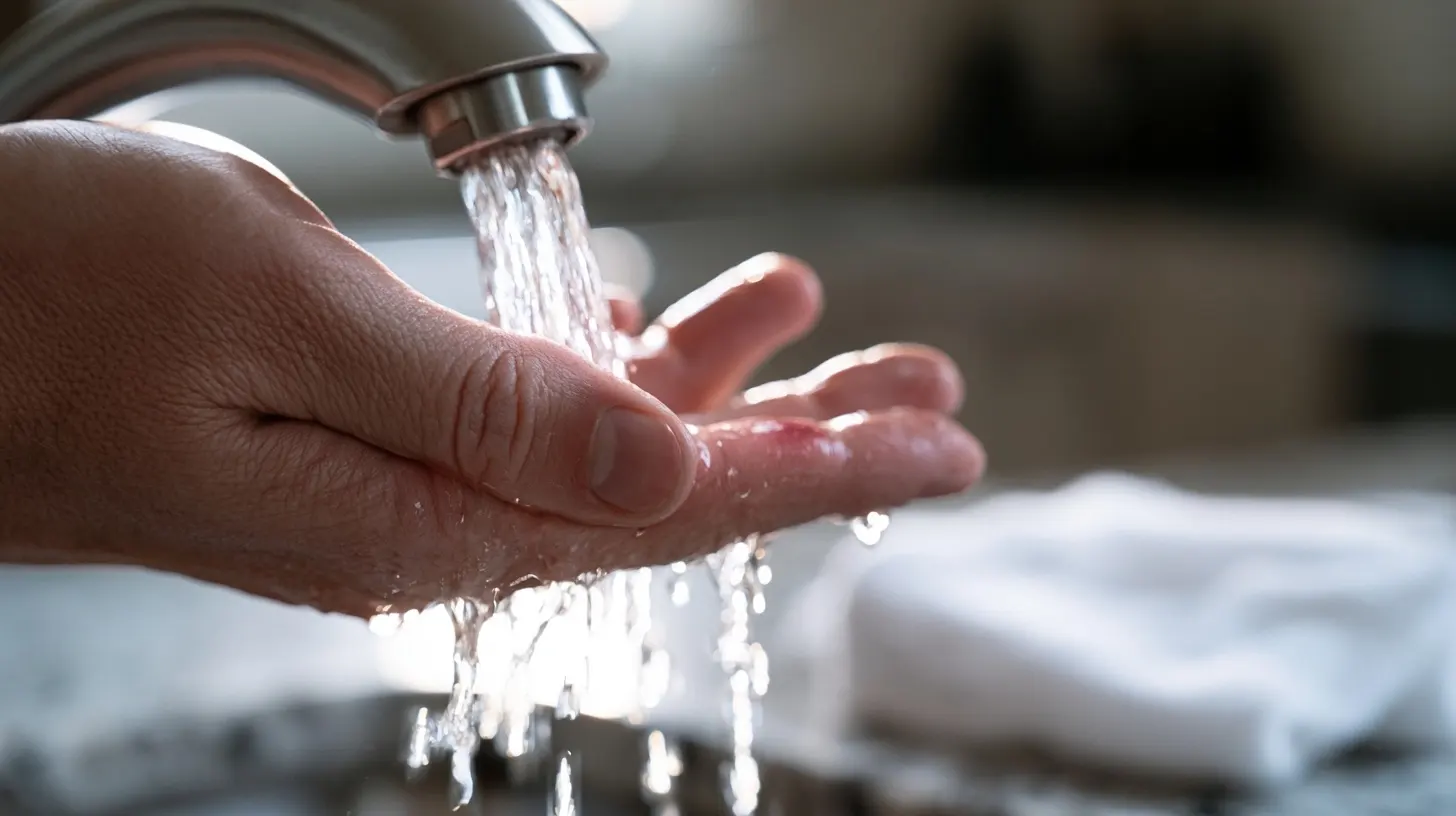
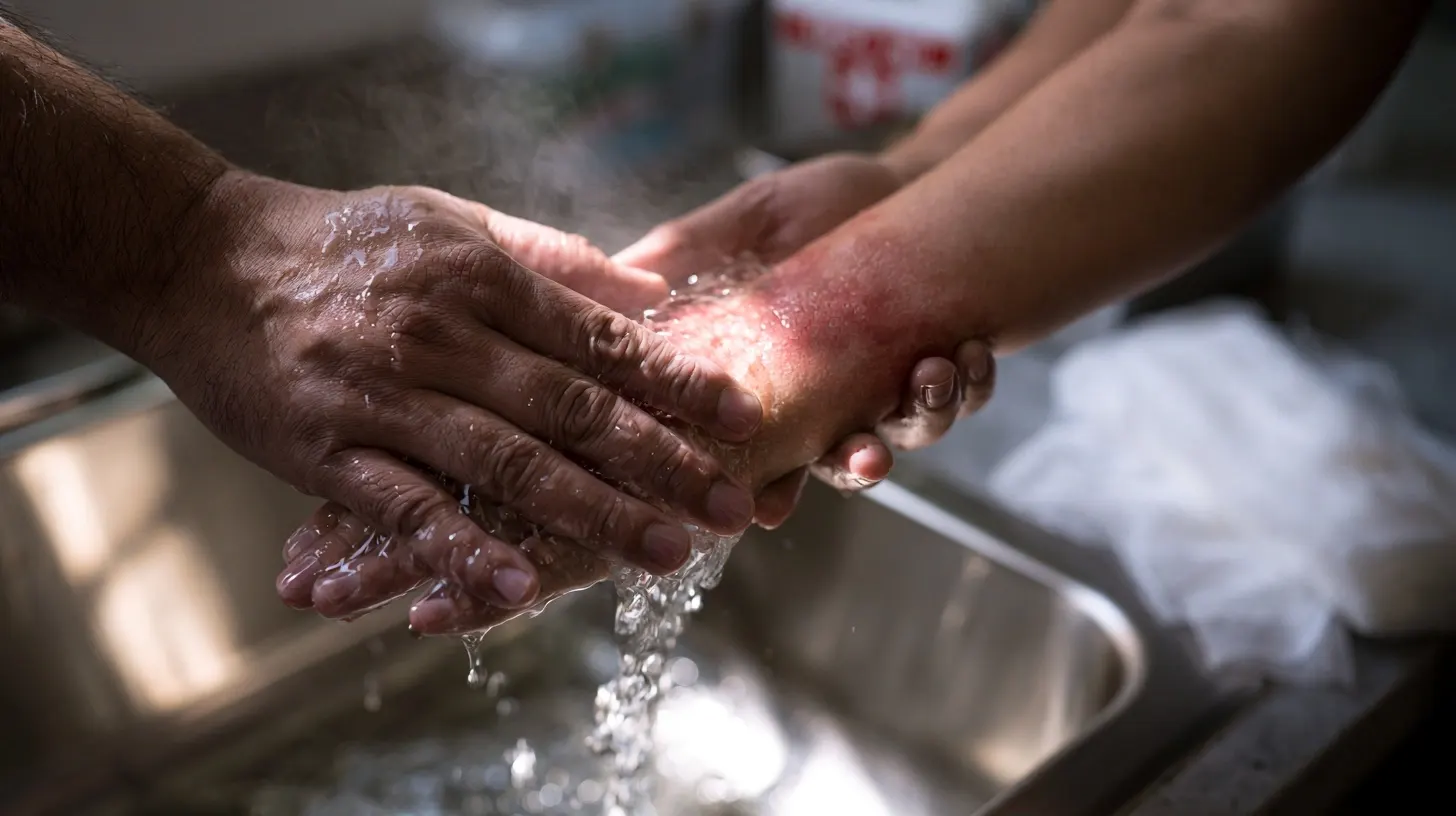
Water does the work here, not ice. We run cool—not cold—tap water over the burn for 10 to 20 minutes, prioritizing this window above all other burn cooling methods. Ice damages tissue further by constricting blood vessels and deepening injury; we never use it, and we skip ice packs entirely.
We submerge the area or apply a clean, wet compress if submersion isn’t practical. Timing matters: we start cooling immediately, before evaluating severity further, since delayed action increases tissue damage. Among effective home remedies, plain water remains unmatched—we avoid butter, oil, or toothpaste, which trap heat and invite infection.
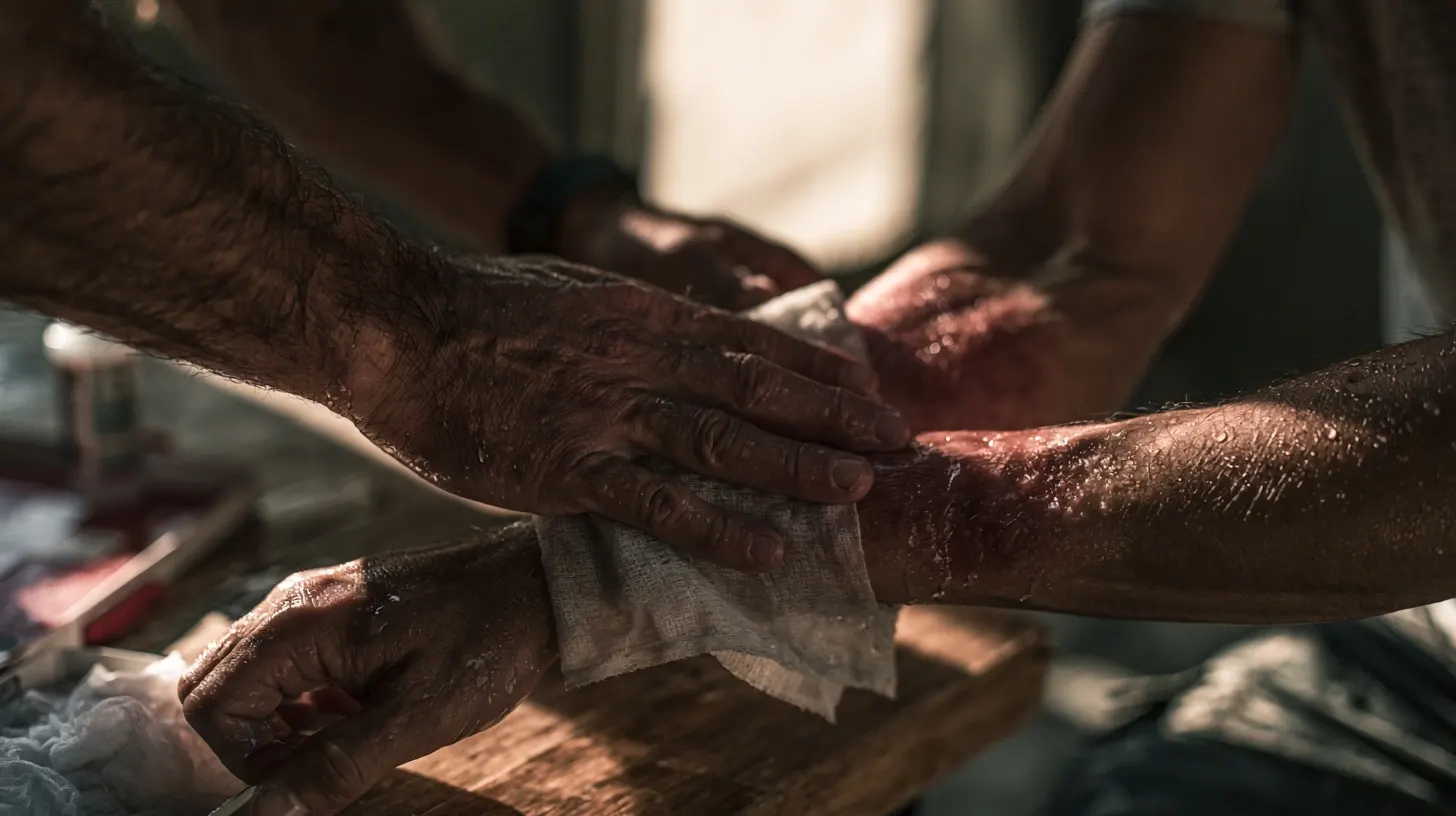
Once cooling’s complete, we pat the area dry gently and move straight to covering it, never rubbing or applying pressure to compromised skin.
Clean and Cover the Wound Properly
With cooling finished, we shift focus to keeping the wound clean and shielded from contamination. Wound cleaning starts with gently rinsing the area using lukewarm water—never scrub, and never apply soap directly to broken skin. We pat the area dry with a clean, lint-free cloth, avoiding any friction that could disrupt healing tissue.
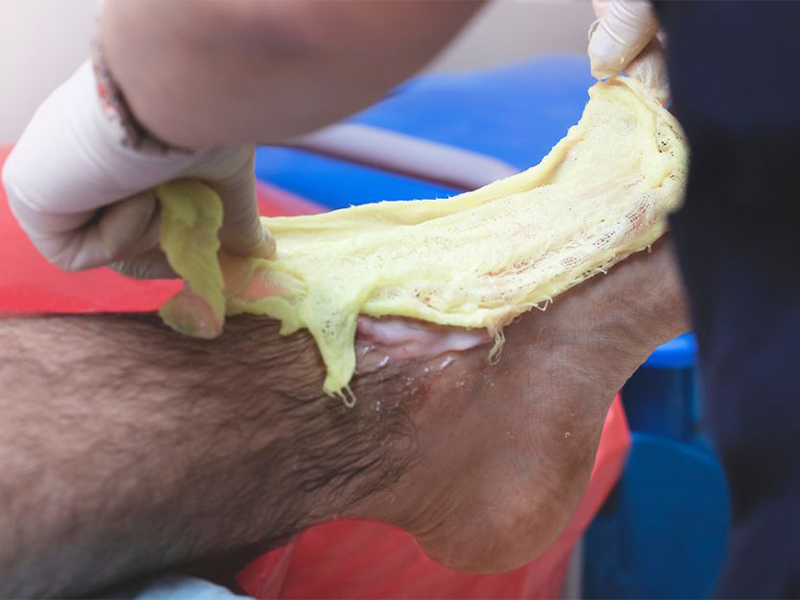
Next, we address proper dressing. We select a sterile, non-stick gauze pad and secure it loosely with medical tape, ensuring the burn isn’t compressed. Tight wrapping restricts circulation and invites complications. For blistered or open burns, we opt for a non-adherent dressing to prevent tearing tissue during future changes.
We replace dressings daily, or sooner if they become wet or soiled, maintaining a consistently clean barrier against infection.
Ease the Pain Without Making It Worse
Pain management comes next, and we approach it methodically rather than reaching for the first remedy at hand. We skip the myths—no butter, no toothpaste, no ice applied directly to skin. These natural remedies cause more tissue damage and complicate healing rather than easing discomfort.
For genuine pain relief, we rely on methods with proven safety:
- Cool (not cold) running water for 10-20 minutes
- Over-the-counter analgesics like ibuprofen or acetaminophen
- Loose, breathable clothing over the wound to prevent friction
- Elevation of the burned area to reduce swelling and throbbing
We monitor pain levels closely. Escalating or unrelieved pain signals we’re dealing with something beyond basic care, and we treat that signal as our cue to seek professional evaluation.
When to Stop DIY and Call a Doctor
Most burns heal fine with home care, but certain warning signs demand we abandon self-treatment immediately. We need to identify symptoms that signal escalation: blistering larger than two inches, charring, or leathery white patches. Burns circling a limb, or covering the face, hands, groin, or joints, require professional evaluation regardless of size.
We seek professional care if pain intensifies after 48 hours instead of easing, or if we spot pus, spreading redness, or fever—clear signs of infection. Chemical and electrical burns bypass DIY protocols entirely; we call for help right away. Any burn impairing movement, sensation, or circulation needs immediate assessment.
When in doubt, we treat it as serious. Underestimating a burn costs far more than a precautionary visit.
Frequently Asked Questions
Can Burn Scars Be Prevented After the Wound Heals?
We can’t guarantee zero scarring, but disciplined scar prevention minimizes it: keep the wound moist, apply silicone sheeting once closed, avoid sun exposure, and start scar treatment early—consistency during remodeling determines your final cosmetic outcome.
Is It Safe to Pop a Burn Blister Myself?
No, we don’t recommend it. Studies show intact blisters heal 40% faster with lower infection risks. Proper blister care means leaving skin intact, applying sterile dressings, and letting nature’s protective barrier do its job.
Should I Remove Clothing Stuck to a Burn?
No, don’t force it. Proper burn care demands you leave adhered fabric intact—forcibly tearing it worsens tissue damage. Instead, we recommend cutting around stuck fabric during clothing removal, then covering the area and seeking professional treatment immediately.
Can I Use Toothpaste or Butter on Burns?
No—we never use toothpaste or butter. Picture grease trapping heat like a lid on a boiling pot: toothpaste myths and butter facts both increase infection risk and worsen tissue damage. We flush with cool water instead.
How Long Does a Minor Burn Take to Heal?
We typically see minor burns heal within 7-10 days when we follow proper healing stages: inflammation, tissue rebuilding, then maturation. We’ll monitor burn pain closely—if it worsens or persists beyond that window, we seek medical evaluation immediately.
Conclusion
We understand burns feel urgent, but panic isn’t a protocol—preparation is. We cool, we clean, we cover, and we watch. That’s the whole game plan: small, deliberate actions instead of frantic guesswork. A minor burn responds to calm, methodical care; a serious one demands we stop the DIY approach and call for help. We don’t gamble with tissue damage. We assess, we act, and we understand exactly when to hand it off.







 CPR techniques3 years ago
 Choking hazards3 years ago
 First aid3 years ago
 First aid3 years ago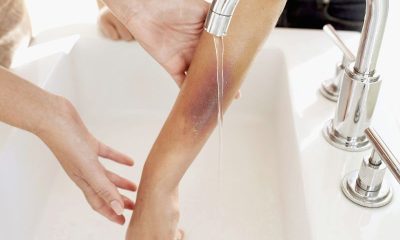
 First aid3 years ago