Connect with us
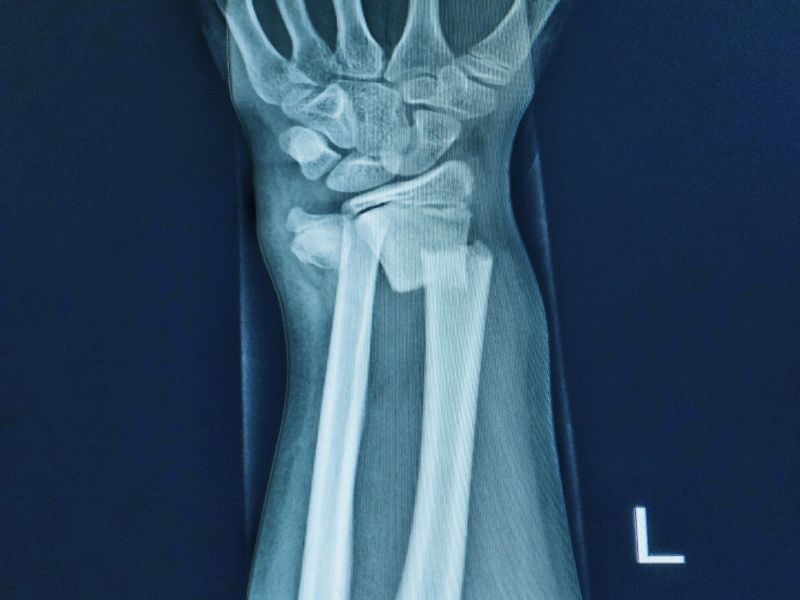


When dealing with broken bones, proper immobilization is key. We’ll assess the injury by looking for visible deformities, swelling, or bruising. Next, we’ll apply basic splinting...
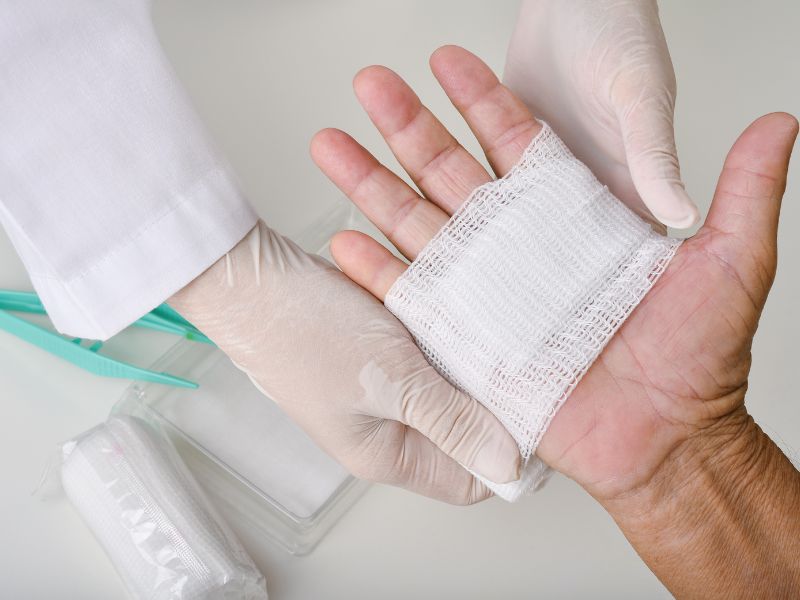


When caring for wounds, we follow best practices for cleaning and dressing to promote healing and prevent infection. We start with a thorough assessment of the...
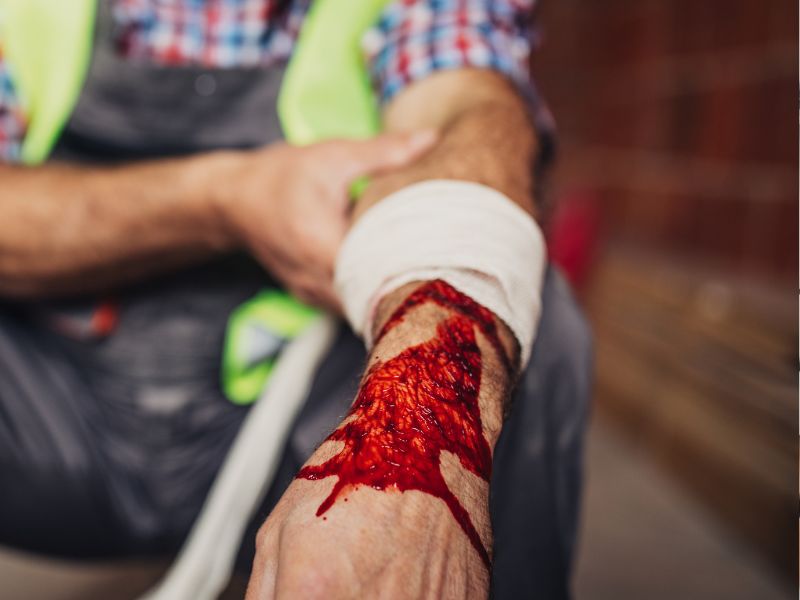

When managing traumatic bleeding, we must quickly assess the type and severity of the injury. We’ll apply tourniquets for limb injuries, use hemostatic agents for severe...


When responding to a potential stroke, quick action is crucial. We’ll recognize symptoms using the F.A.S.T. acronym: Face drooping, Arm weakness, Speech difficulties, and Time to...


When facing a potential stroke, we must act fast. First, recognize the warning signs using the F.A.S.T. method: Face drooping, Arm weakness, Speech difficulties, and Time...


When faced with a potential stroke, we must act fast. First, recognize the symptoms using the FAST acronym: Face drooping, Arm weakness, Speech difficulties, and Time...


When faced with a potential stroke, we must act swiftly. First, we’ll recognize key symptoms: facial drooping, arm weakness, and speech difficulties. We’ll immediately call emergency...